Understanding where and how to find legitimate beauty and fashion deals has become increasingly complex as the retail landscape fragments across specialty sites, flash sale platforms, subscription services, cashback portals, and resale marketplaces. This guide reveals the most effective platforms and strategies for accessing genuine discounts, exclusive sales, and insider deals that retailers don't advertise prominently.
Top 10 Best Beauty & Fashion Deal Sources
Rakuten – Best for earning cashback on regular retail purchases
Gilt – Best for luxury fashion flash sales at deep discounts
Poshmark – Best for authenticated designer resale and vintage fashion
Dermstore (with sales + coupons) – Best for professional skincare and beauty deals
Nordstrom Rack – Best for department store brands at clearance prices
ShopStyle Collective – Best for discovering sales across multiple retailers simultaneously
RetailMeNot – Best for finding current coupon codes before checkout
ThredUp – Best for high-volume secondhand clothing with return policies
Sephora during VIB Sale – Best for stacking loyalty rewards with rare discounts
Capital One Shopping – Best for automatic price comparison and coupon application
Methodology
Our evaluation assessed platforms and strategies across six critical criteria to identify the most effective beauty and fashion deal sources:
Discount Depth: Average percentage savings versus manufacturer's suggested retail price, frequency of sales events, and accessibility of advertised deals versus limited inventory tactics.
Product Authenticity & Quality: Verification processes for genuine products, seller vetting procedures, return policies protecting buyers from counterfeits, and quality consistency across purchases.
User Experience: Website and app interface intuitiveness, search and filter functionality, checkout simplicity, mobile optimization, and time required to find and complete purchases.
Selection Breadth: Range of brands covered (mass to luxury), category diversity (clothing, beauty, accessories), size inclusivity, and inventory depth ensuring advertised items are actually available.
Additional Value Mechanisms: Stacking opportunities (coupons + sales + cashback), loyalty programs, free shipping thresholds, and exclusive member benefits beyond base discounts.
Reputation & Reliability: Customer review aggregates across Trustpilot and Better Business Bureau, complaint resolution patterns, payment security, and data privacy practices.
Detailed Reviews
1. Rakuten
Best for: Shoppers who already purchase from major retailers and want automatic cashback without changing behavior
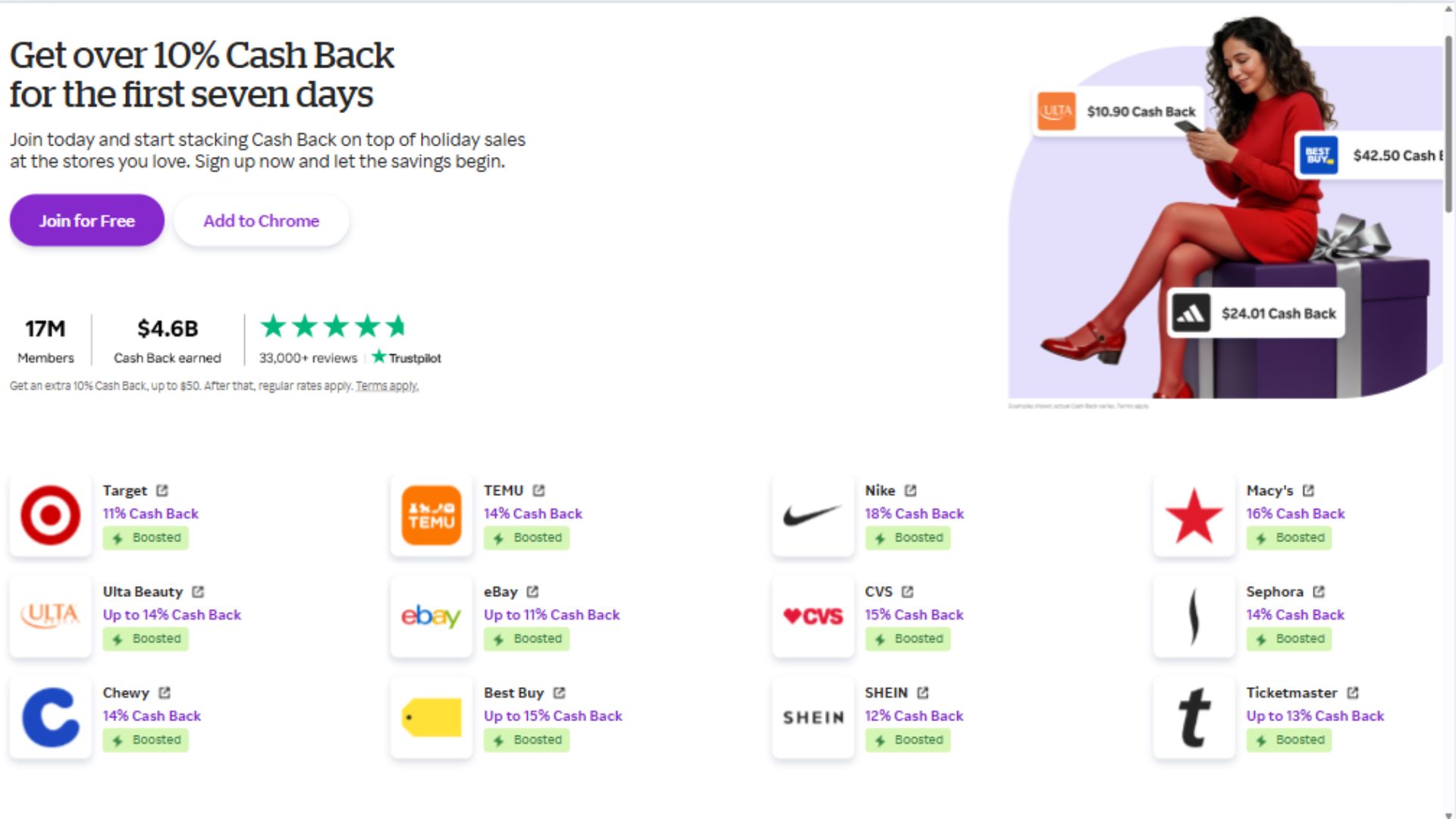
Pricing: Free to join; cashback typically 2-12% of purchase price, occasionally up to 40% during promotions
Key Features: Rakuten (formerly Ebates) operates as a cashback portal partnering with over 3,500 retailers including Sephora, Macy's, Nordstrom, Ulta Beauty, Bloomingdale's, and thousands of fashion and beauty brands. When you access retailers through Rakuten's website or browser extension, the company earns affiliate commissions and shares 10-40% of those commissions back to you. The browser extension automatically activates cashback and alerts you to better deals, while also searching for applicable coupon codes at checkout. Cashback accumulates in your account and is paid quarterly via PayPal or check.
Rakuten distinguishes itself through reliability and scale. Unlike smaller cashback sites that mysteriously fail to track purchases, Rakuten's technology partnership with major retailers ensures transaction tracking works consistently. The platform frequently runs "Double Cash Back Days" where earning rates multiply, and new members receive sign-up bonuses ($10-$40 depending on promotions). The browser extension transforms Rakuten from a destination site into passive income—you shop normally, and cashback appears automatically. For beauty and fashion enthusiasts already purchasing from mainstream retailers, Rakuten essentially provides free money for unchanged behavior.
Pros:
Consistently reliable cashback tracking across major retailers
Browser extension makes earning automatic and effortless
Cashback stacks with sales, coupons, and loyalty programs
Quarterly "Big Fat Check" payment creates satisfying windfalls
No minimum purchase requirements or membership fees
Cons:
Cashback rates lower than advertised discounts (but stacks with them)
Quarterly payment means waiting months to access earnings
Doesn't cover all retailers, particularly smaller boutiques
Browser extension can slow page loading slightly
Cashback sometimes denied if items are returned
2. Gilt
Best for: Fashion enthusiasts seeking luxury and designer brands at 40-70% below retail prices
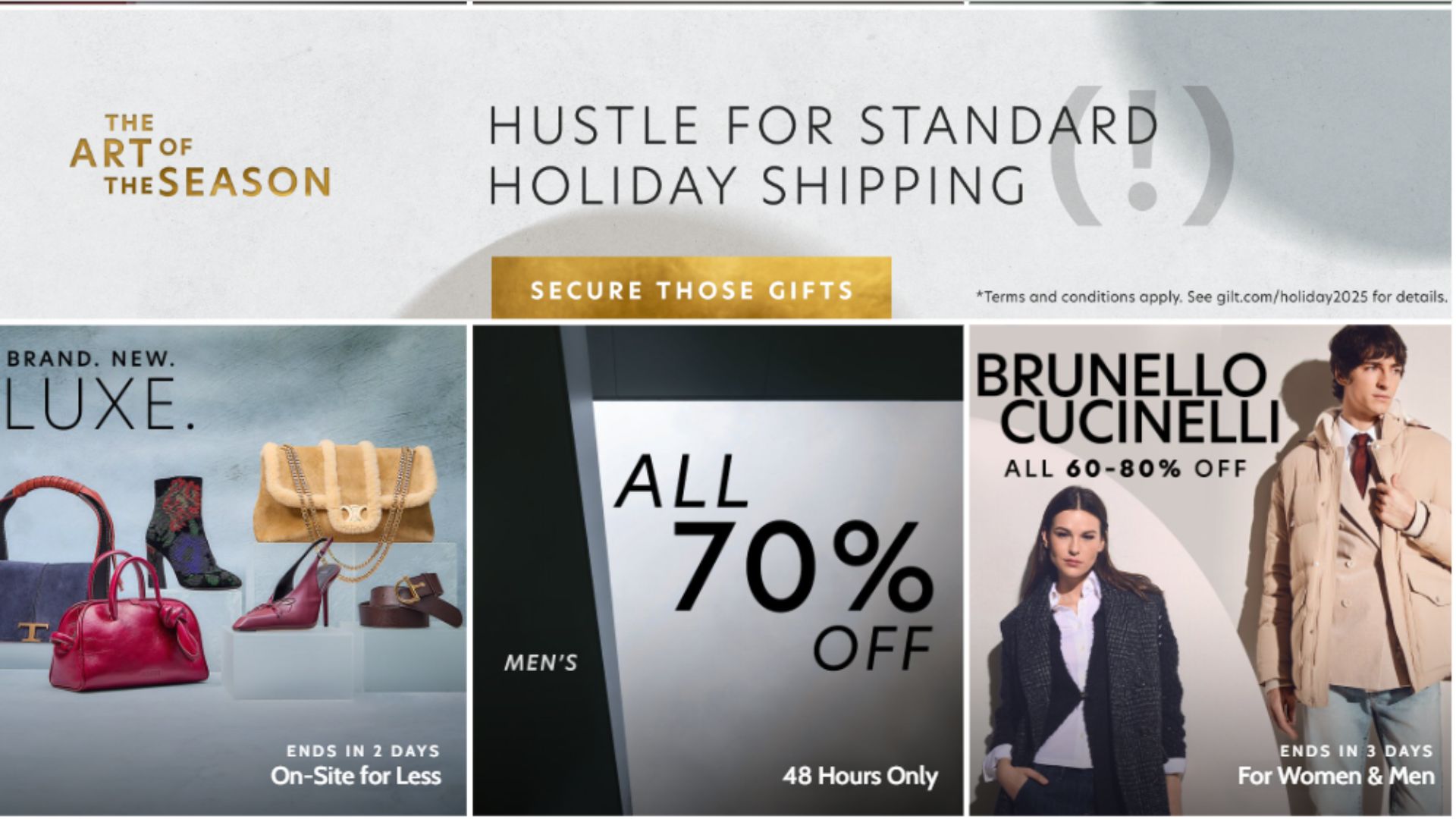
Pricing: Free membership; items typically 40-70% off retail, with sales lasting 24-72 hours
Key Features: Gilt pioneered the flash sale model for luxury fashion, offering time-limited sales on designer clothing, accessories, beauty, and home goods. Sales typically launch at noon Eastern time and last 36-72 hours or until inventory sells out. The platform sources overstock, past-season items, and specially produced merchandise from brands including Gucci, Prada, Valentino, Theory, and hundreds of contemporary designers. Discounts genuinely reach 50-70% below retail for authentic luxury goods, though selection is unpredictable and sizes sell out rapidly.
The shopping experience rewards preparation and decisiveness. Gilt sends email and app notifications about upcoming sales by category, allowing you to plan when high-interest brands appear. Creating wish lists and saving payment information enables rapid checkout before popular items disappear. Gilt's curation separates it from overwhelming resale platforms—products are professionally photographed, accurately described, and subject to quality control. The platform has expanded beyond fashion to include beauty, home, travel, and food, making it a comprehensive lifestyle destination. For shoppers comfortable with limited selection and fast decision-making, Gilt provides legitimate access to luxury brands at prices comparable to fast fashion.
Pros:
Authentic luxury merchandise at 40-70% below retail prices
Curated selection eliminates overwhelming choice paralysis
Professional product presentation and descriptions
Free shipping on orders over $100 (threshold varies)
Discover new brands through expertly curated assortments
Cons:
Limited inventory and sizes sell out within minutes or hours
No returns on final sale items (most products)
Selection unpredictable—can't shop specific items on demand
Shipping costs add $5-$10 for orders under threshold
Pressure to buy immediately creates impulse purchase risks
3. Poshmark
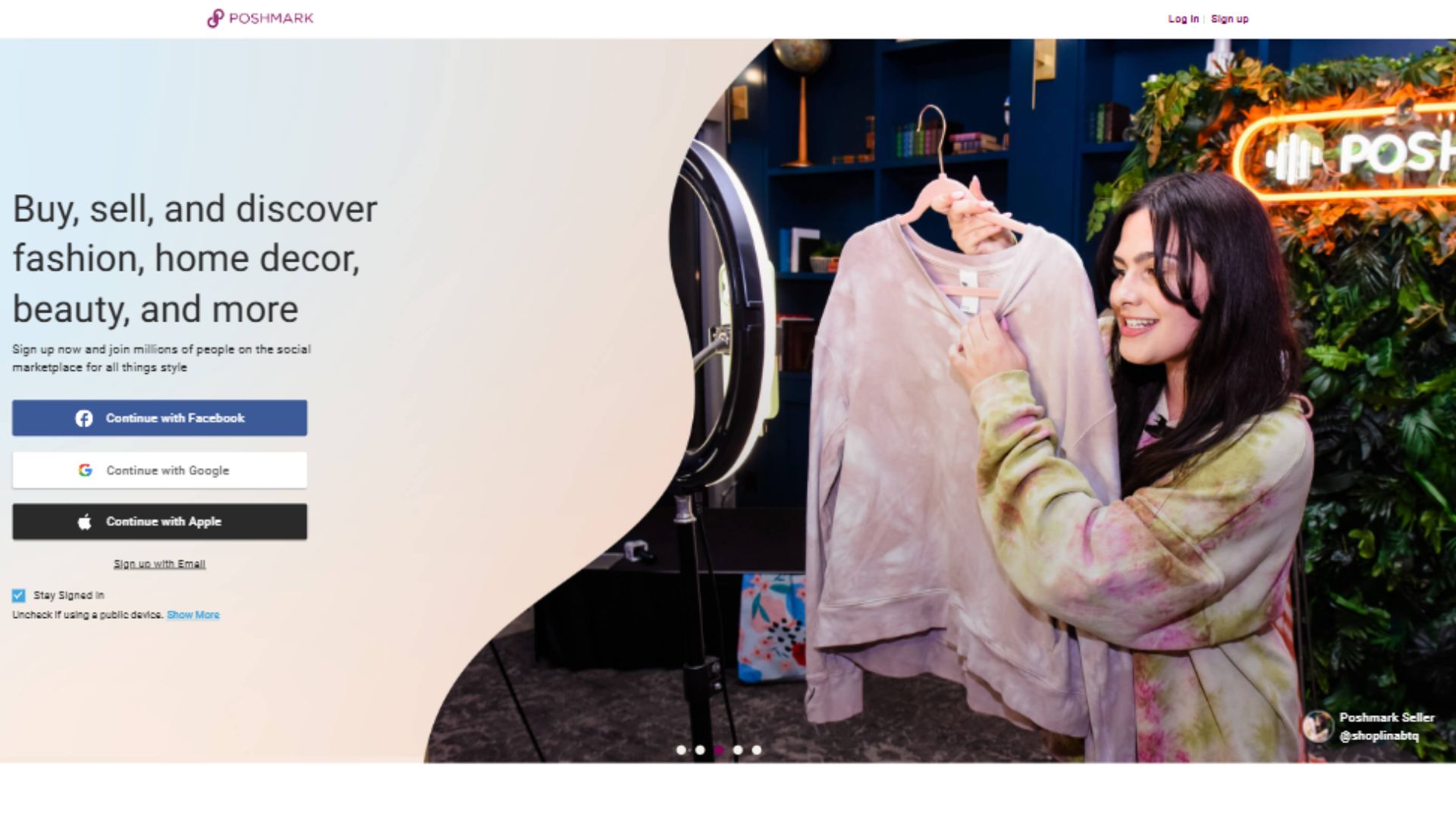
Best for: Finding authenticated designer handbags, shoes, and clothing at 50-90% below retail with social shopping features
Pricing: Free to browse; sellers set prices (typically 50-90% off retail for pre-owned items)
Key Features: Poshmark operates as a social marketplace where individuals sell pre-owned and new-with-tags fashion items. The platform hosts over 200 million items from 80 million users, covering everything from Target basics to Hermès handbags. Poshmark's authentication service, Posh Authenticate, verifies luxury items over $500 before shipping to buyers, protecting against counterfeits. The social component allows following sellers, sharing listings, and participating in virtual "Posh Parties"—themed shopping events occurring multiple times daily where specific categories or brands are featured.
What sets Poshmark apart from generic resale sites is the shopping experience designed around discovery and community. You can follow sellers whose style aligns with yours, receiving notifications when they list new items. The platform's search filters are exceptionally detailed—specify exact size, color, condition, brand, and price range to narrow from millions of listings to your perfect items. Negotiation is built into the culture; most sellers expect offers 10-20% below listing prices and often accept. Flat-rate shipping ($7.97 for packages under 5 pounds) adds cost but simplifies logistics. For shoppers willing to invest time browsing, Poshmark offers extraordinary value on designer and contemporary brands.
Pros:
Massive selection spanning all brands and price points
Authentication service protects buyers on luxury purchases
Negotiation culture enables additional savings beyond listed prices
Detailed filters make finding specific items efficient
Seller reviews and ratings provide transparency
Cons:
Quality and condition vary since items are pre-owned
Time-intensive browsing through thousands of listings
Shipping costs ($7.97) add up on multiple small purchases
Returns only allowed if items don't match descriptions
Inconsistent seller responsiveness and shipping speed
4. Dermstore (with sales + coupons)
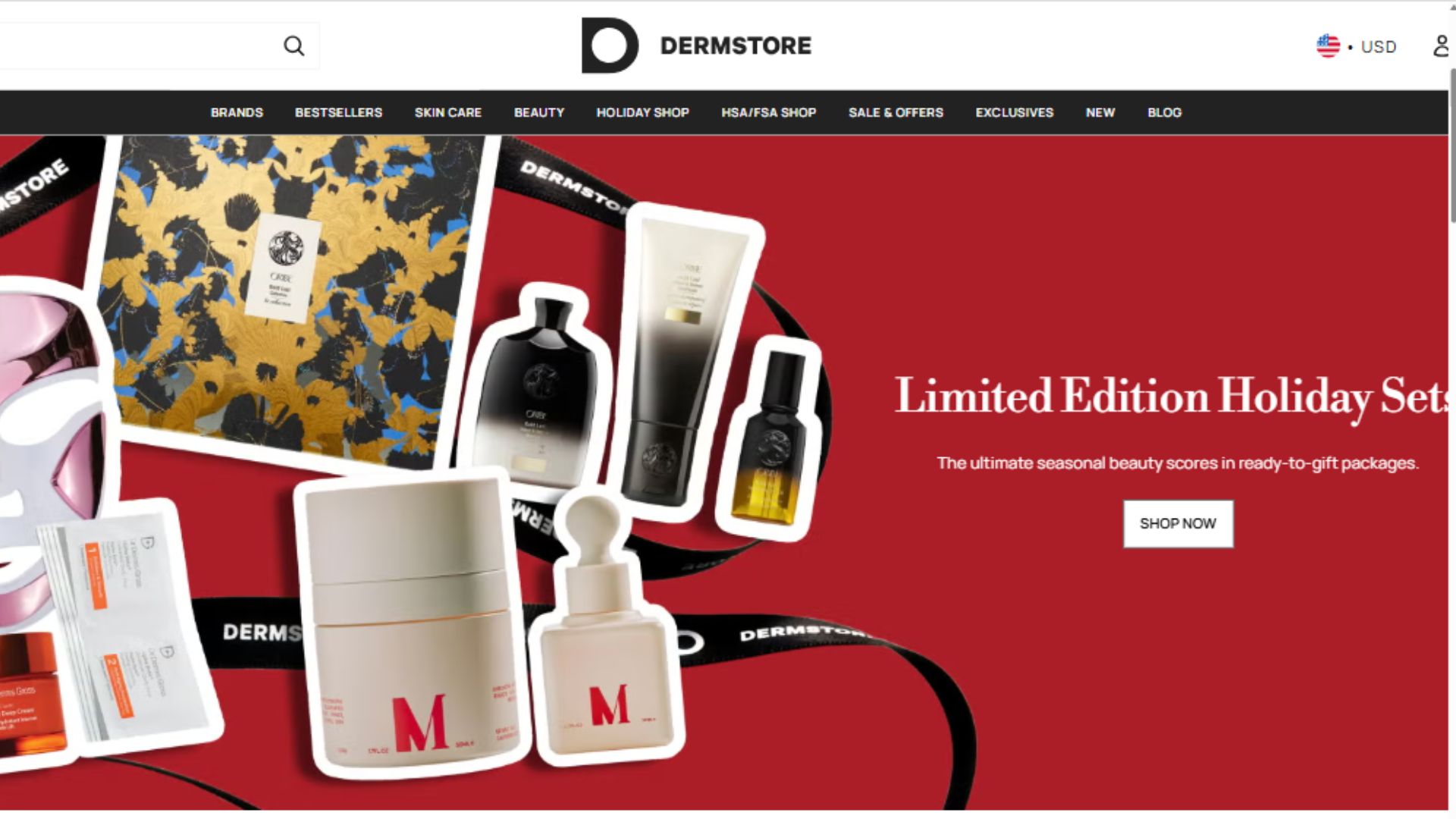
Best for: Professional-grade skincare and beauty products during strategic sale periods
Pricing: Regular prices competitive with Sephora; stacking sales + coupons can yield 20-35% total savings
Key Features: Dermstore specializes in dermatologist-approved and professional-grade skincare, haircare, and beauty products from brands like SkinCeuticals, Obagi, EltaMD, and The Ordinary. The platform is authorized by all brands it carries, guaranteeing product authenticity—critical for skincare where counterfeits and expired products plague unauthorized resellers. Dermstore's pricing strategy involves frequent sales (typically 20-25% off sitewide) combined with email-exclusive coupon codes stacking for additional savings. Patient shoppers timing purchases during major sale events (seasonal changes, holidays, brand anniversaries) can secure premium products at 25-35% below retail.
The site's value extends beyond pricing through expert content and customer service. Licensed aestheticians staff the customer service line, providing product recommendations and routine guidance rather than just processing orders. The Auto-Replenish subscription program discounts products by 15% and provides free shipping, ideal for staples used consistently. Dermstore's "Best of Beauty" compilations and ingredient-focused guides help navigate the overwhelming skincare landscape, while detailed product pages include full ingredient lists and usage instructions. For skincare enthusiasts prioritizing authenticity and quality over rock-bottom prices, Dermstore's combination of competitive regular pricing, strategic sales, and expert support delivers exceptional value.
Pros:
Guaranteed authenticity for professional-grade brands
Frequent stackable sales and coupon opportunities
Auto-Replenish subscriptions provide ongoing 15% savings
Expert customer service from licensed professionals
Free shipping on orders over $50 eliminates delivery costs
Cons:
Best prices require timing purchases around sales
Luxury skincare still expensive even with discounts
Limited makeup selection compared to beauty retailers
Auto-Replenish subscriptions require active management
Some brands excluded from promotional discounts
5. Nordstrom Rack

Best for: Department store brand quality at 30-70% off through clearance model
Pricing: Items typically 30-70% below Nordstrom full-line prices; additional "Clear the Rack" sales offer further reductions
Key Features: Nordstrom Rack serves as the clearance channel for Nordstrom full-line stores, plus carries merchandise purchased
specifically for the off-price format. The physical and online store stocks clothing, shoes, accessories, beauty, and home goods from brands sold at Nordstrom—including designer labels like Vince, Theory, Ted Baker, and premium denim brands—at significant discounts. Online inventory refreshes daily with new arrivals, while "Clear the Rack" events (occurring 3-4 times annually) mark already-reduced items down an additional 25-75%. The website's integration with Nordstrom's full-line inventory occasionally surfaces items available online that aren't physically in-store.
Nordstrom Rack's strength lies in balancing quality, price, and accessibility. Unlike flash sale sites requiring immediate decisions on limited inventory, Rack maintains substantial selection allowing careful consideration. Size runs are more complete than typical clearance retailers, and the return policy (45 days with receipt) provides security against sizing mistakes or quality issues. The Nordy Club loyalty program (free to join) earns points on Rack purchases redeemable at both Rack and full-line Nordstrom stores, creating value for regular shoppers. Beauty offerings include established brands (Clinique, Estée Lauder, MAC) at 20-40% below department store prices, though selection is less comprehensive than dedicated beauty retailers.
Pros:
Quality department store brands at genuine clearance prices
Generous 45-day return policy reduces purchase risk
Regular inventory replenishment maintains selection
Nordy Club loyalty points earn on purchases
Combination of online and physical stores for convenient shopping
Cons:
Best items in popular sizes sell out quickly
Quality inconsistent between Nordstrom overstock and Rack-specific merchandise
Beauty selection limited compared to dedicated beauty retailers
Prices not always lowest compared to aggressive sales at other retailers
Online return shipping not free (unlike full-line Nordstrom)
6. ShopStyle Collective

Best for: Discovering sales and deals across hundreds of retailers without visiting individual websites
Pricing: Free to use; aggregate deals from retailers offering various discount levels
Key Features: ShopStyle Collective functions as a fashion and beauty search engine aggregating inventory from over 1,400 retailers including Saks, Bloomingdale's, Net-a-Porter, Revolve, and independent boutiques. Search for specific items (e.g., "black leather ankle boots") and ShopStyle displays options across all partner retailers with current prices, sales, and availability. Advanced filters refine by brand, price range, size, color, and more, while sorting options prioritize best deals or newest arrivals. The platform's "Sales & Deals" section highlights current promotions across retailers, effectively serving as a sale aggregator eliminating the need to check dozens of individual websites.
ShopStyle's unique value proposition is time savings and deal discovery. Instead of maintaining bookmarks for fifty retailers and manually checking each for sales, you search once and see comparative pricing across the entire landscape. The platform surfaces deals at smaller boutiques and international retailers you might never discover independently. ShopStyle Collective (the influencer arm) allows creating shoppable collections, while the consumer-facing "Looks" feature provides outfit inspiration with direct purchase links. Browser extensions and mobile apps enable on-the-go deal hunting. For shoppers who know what they want but not where to find it cheapest, ShopStyle eliminates hours of comparison shopping.
Pros:
Comprehensive search across 1,400+ fashion and beauty retailers
Efficient price comparison identifies lowest available prices
Discovers deals at boutiques and international sites not on your radar
Detailed filtering narrows millions of items to exact preferences
Sales aggregation eliminates manually checking multiple websites
Cons:
Doesn't always include every retailer (some notably absent)
Occasional pricing discrepancies between ShopStyle and retailer sites
Click-through to retailer sites required for actual purchases
Search results can be overwhelming without specific criteria
No cashback or additional discounts beyond retailer offers
7. RetailMeNot
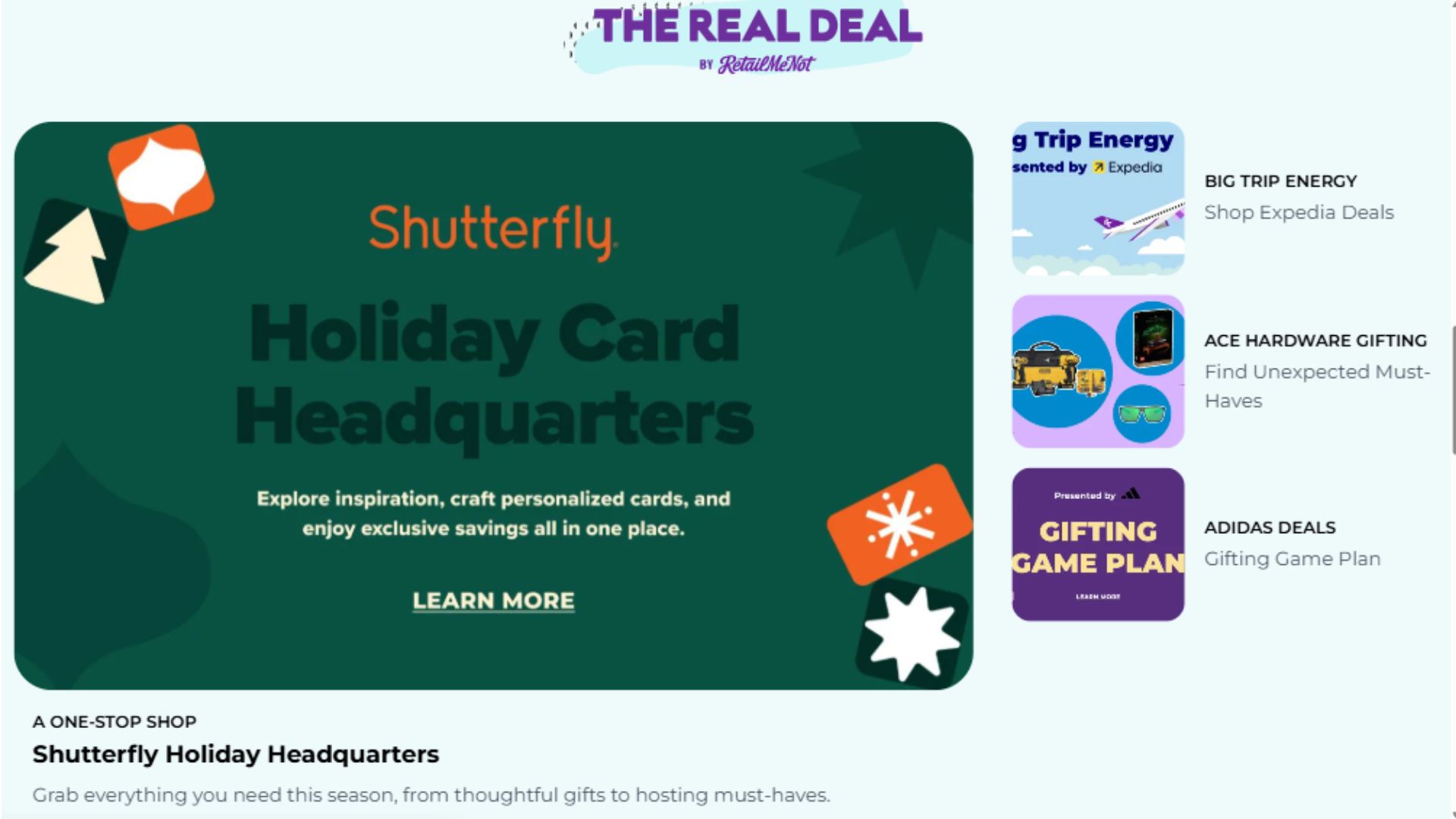
Best for: Finding current promo codes and coupons before checkout at virtually any retailer
Pricing: Free to use; savings vary by available coupons (typically 10-30% off or free shipping)
Key Features: RetailMeNot aggregates promo codes, coupon codes, and deals for thousands of online retailers, functioning as a search engine for discounts. Before completing any online purchase, searching the retailer on RetailMeNot reveals currently active codes sorted by popularity and success rate (percentage of users for whom the code worked). The platform displays exclusive codes negotiated directly with retailers, user-submitted codes, and codes scraped from other sources. The browser extension automatically searches for and applies best available codes at checkout, saving the step of manually copying and entering codes.
The platform's strength is coverage and current information. RetailMeNot's community-driven model means recently expired codes are quickly voted down, while newly discovered codes are rapidly shared. Verification badges indicate codes tested by RetailMeNot staff, reducing frustration with non-working codes. Beyond standard percentage-off discounts, the site surfaces free shipping codes, dollar-amount discounts, and special offers like gift-with-purchase promotions. The mobile app enables accessing deals while shopping in physical stores. RetailMeNot has evolved beyond just coupons to include cashback (through partnerships), in-store offers (scanned from phone), and deal alerts for specific retailers or categories.
Pros:
Extensive coverage of retailers from mainstream to niche
Community verification system identifies working codes
Browser extension automatically applies codes at checkout
Free to use with no membership requirements
Includes in-store coupons and cashback opportunities
Cons:
Code success rates vary—many codes don't work
Testing multiple codes at checkout is time-consuming
Some "exclusive" codes are actually widely available
Aggressive advertising and sponsored placements
Mobile app can be buggy and slow
8. ThredUp
Best for: High-volume secondhand shopping with quality control and return policies like traditional retail
Pricing: Items typically 50-90% below original retail; ThredUp sets prices based on brand, condition, and demand
Key Features: ThredUp operates as an online consignment store accepting used clothing, shoes, and accessories from individuals, then reselling to shoppers after quality inspection. The platform's scale (millions of items from 35,000+ brands) and quality control processes distinguish it from peer-to-peer resale marketplaces. Each item is inspected, photographed, measured, and described by ThredUp staff before listing, creating consistency rarely found in secondhand shopping. The 14-day return policy allows trying items at home without commitment, eliminating the biggest barrier to online secondhand shopping.
ThredUp's inventory management system uses data analytics to price items competitively based on brand desirability, condition, and market demand. You'll find mall brands (Gap, J.Crew, Anthropologie) at 70-90% off retail alongside designer pieces at 50-70% off. The "Goody Boxes" service sends curated selections to your home based on style preferences—try before buying, returning unwanted items. Sustainability-conscious shoppers appreciate ThredUp's circular fashion mission, and the platform's ThredUp Resale-as-a-Service partnerships with major retailers (Walmart, Vera Wang) are expanding secondhand accessibility. For shoppers wanting secondhand value without the time investment of individual seller platforms, ThredUp provides retail-like convenience.
Pros:
Quality inspection ensures items meet condition standards
14-day return policy reduces purchase risk dramatically
Massive selection covering affordable to luxury brands
Professional photography and measurements aid decision-making
Sustainability benefits from extending clothing lifecycles
Cons:
Pricing sometimes approaches retail sale prices for popular items
Inventory unpredictable—can't count on finding specific items
Shipping costs ($6-$10) add to purchase price
Return shipping not free (unlike some traditional retailers)
Limited availability of very recent or trendy styles
9. Sephora during VIB Sale
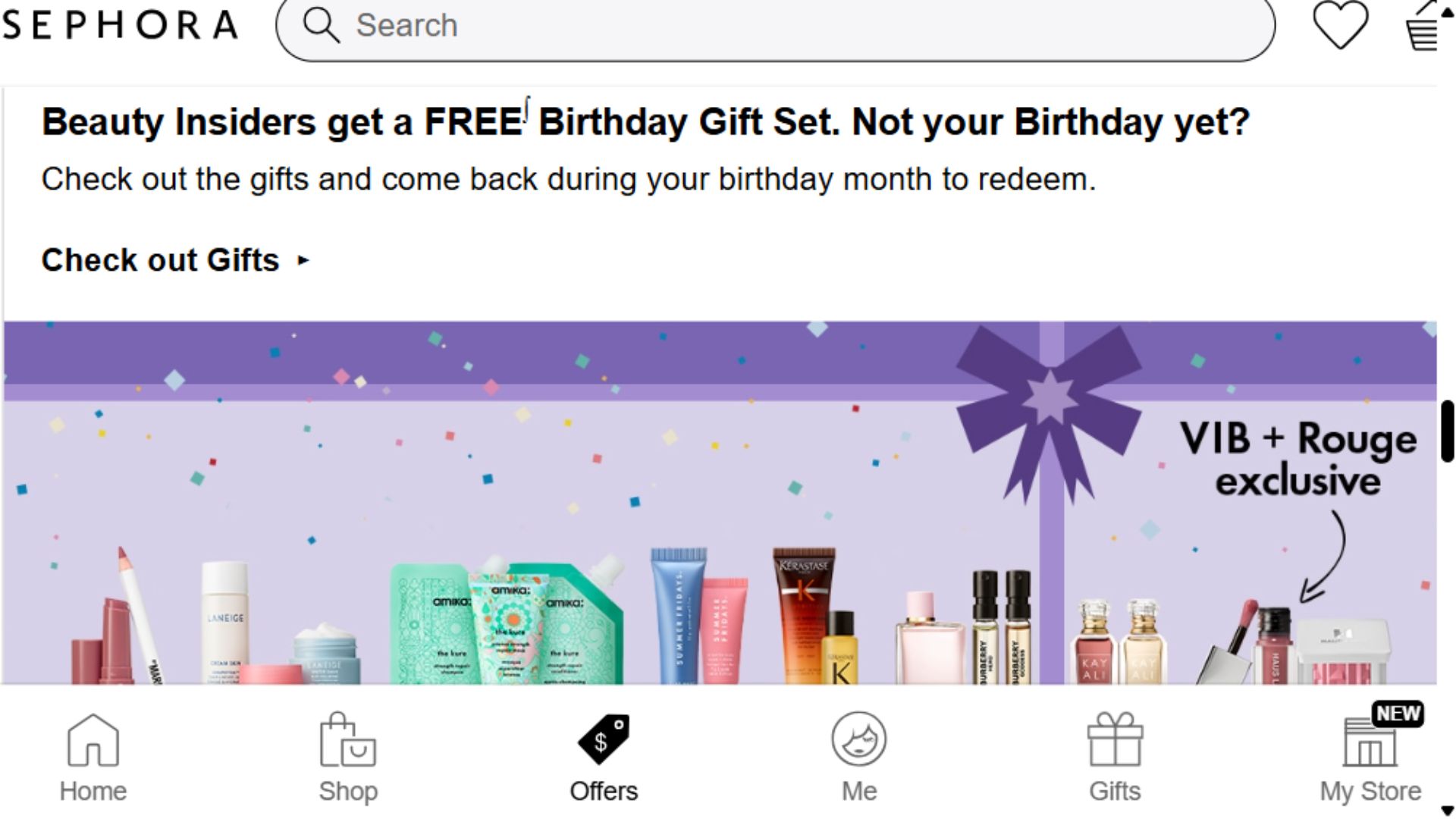
Best for: Beauty enthusiasts leveraging loyalty status for rare discounts on prestige brands
Pricing: Annual VIB Sales offer 10-20% off (tier-dependent) on normally non-discounted prestige beauty brands
Key Features: Sephora's VIB (Very Important Beauty Insider) Sale occurs twice annually (spring and fall), offering tiered discounts to Beauty Insider loyalty program members: Rouge members (annual spending $1,000+) receive 20% off, VIB members ($350-$999 annually) get 15% off, and Insider members (under $350) receive 10% off. This event is significant because prestige beauty brands (Drunk Elephant, Charlotte Tilbury, Fenty Beauty, SK-II) rarely discount and explicitly prohibit retailers from running sales. The VIB Sale represents one of few opportunities to purchase luxury beauty below retail.
Strategic shoppers maximize VIB Sale value by planning purchases throughout the year, waiting for the event to stock up on staples and splurge items. The key is achieving Rouge status (if close) before the sale through strategic timing, as the 20% discount on a $500 purchase ($100 savings) justifies additional spending to reach the threshold. Sephora's sampling program, birthday gifts, and early access to new launches provide additional value beyond sales. The Sephora Credit Card (1-4% back in-store credit) stacks with VIB Sale savings for total discounts reaching 24% for Rouge members. For devotees of prestige beauty who would purchase these products anyway, timing major purchases around VIB Sales creates hundreds in annual savings.
Pros:
One of only opportunities to discount luxury beauty brands
Stacks with loyalty rewards and credit card benefits
No exclusions on most prestige brands (some exceptions)
Free shipping during sale regardless of order amount
Can combine with existing rewards points for deeper discounts
Cons:
Only twice annually limits flexibility for immediate needs
Requires spending thresholds to access best discounts
Popular products sell out rapidly during sale
Some brands and new launches excluded from discount
Encourages overspending to reach loyalty tier thresholds
10. Capital One Shopping
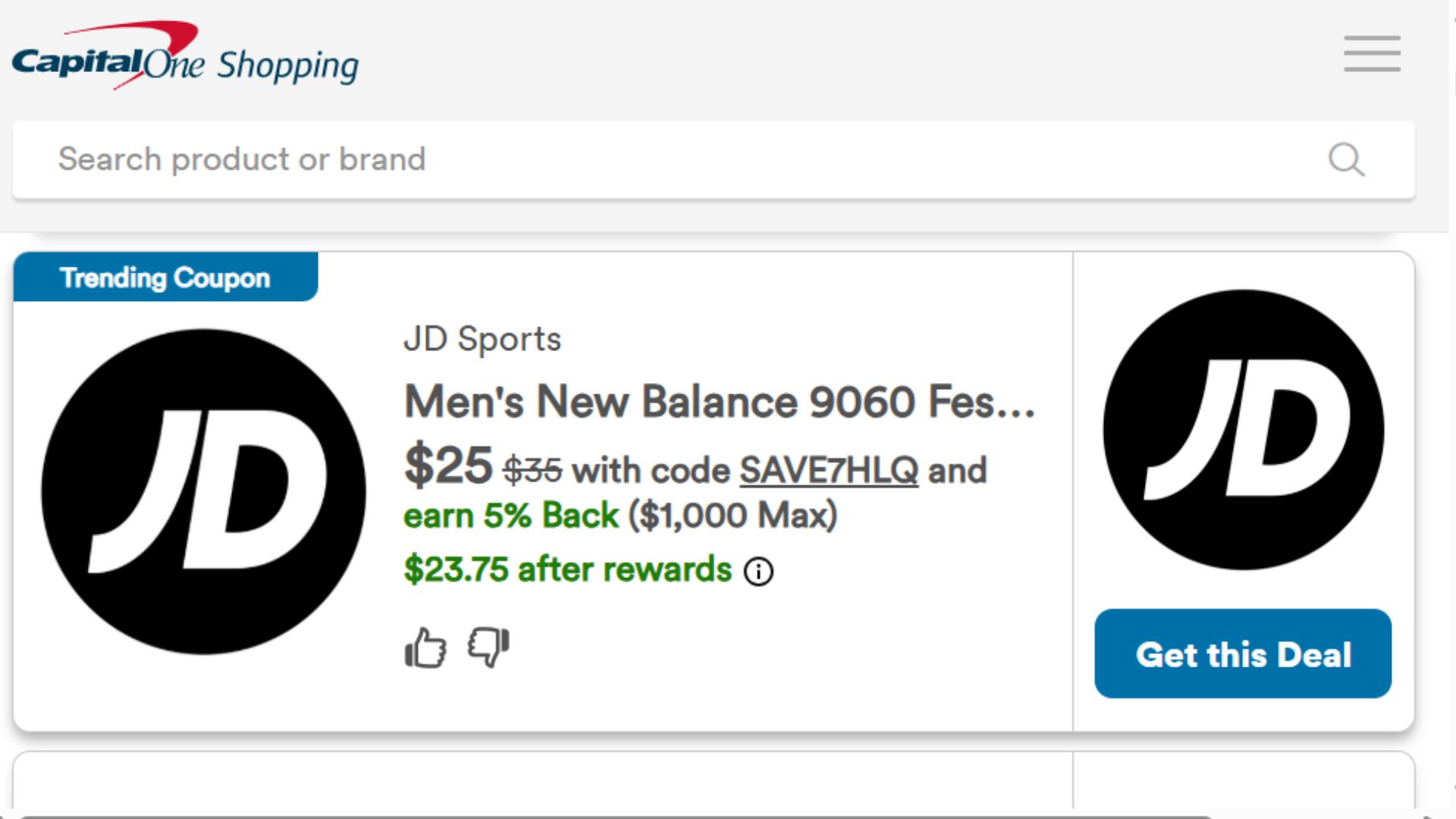
Best for: Automatic price comparison and coupon application without manual searching
Pricing: Free browser extension; automatically finds savings (typically 5-30% through applied coupons or price comparisons)
Key Features: Capital One Shopping (formerly Wikibuy) operates as a browser extension that automatically compares prices across retailers while you shop and applies best available coupon codes at checkout. When viewing products on any supported site, the extension displays whether lower prices exist elsewhere (including shipping costs). At checkout, Shopping automatically tests all available promo codes and applies the one yielding maximum savings. The platform also tracks price drops on items you've viewed, sending notifications when prices decrease, and provides earning opportunities through retailer offers (similar to cashback portals).
The extension's power is removing friction from deal-hunting. Rather than opening multiple tabs to price-compare manually, or searching coupon sites before checkout, everything happens automatically as you browse normally. Capital One Shopping works across over 30,000 retailers including fashion and beauty destinations, though some major sites (Amazon, notably) have limited functionality. The platform's independence from Capital One accounts means anyone can use it regardless of banking relationships. For time-constrained shoppers who know they should price-compare and search for coupons but realistically won't do the manual work, Capital One Shopping automates best practices.
Pros:
Completely automatic price comparison and coupon application
Works across 30,000+ retailers without manual searching
Free to use without requiring Capital One accounts
Price tracking alerts notify of savings opportunities
Removes temptation to skip coupon searching due to laziness
Cons:
Limited functionality on some major sites (Amazon, Walmart)
Occasional conflicts with retailer websites causing loading issues
Privacy concerns about browsing data collection
Price comparisons don't always include all retailers
Earning opportunities through offers less generous than dedicated cashback sites
Comparison Summary
Discount Depth: The deepest discounts come from resale platforms (Poshmark, ThredUp at 50-90% off) and flash sales (Gilt at 40-70% off), though with limitations on selection and availability. Traditional retail clearance (Nordstrom Rack at 30-70% off) offers reliable savings on predictable inventory. Cashback portals (Rakuten at 2-12%, occasionally higher) and coupon sites (RetailMeNot codes averaging 10-30% off) provide modest but stackable savings. Strategic timing around loyalty sales (Sephora VIB at 10-20% off) maximizes value on luxury items rarely discounted.
Effort Required: Low-effort options include automatic tools (Capital One Shopping browser extension, Rakuten extension) requiring zero ongoing work, and subscription services (Dermstore Auto-Replenish) automating reorders. Medium-effort approaches involve checking aggregators before purchases (ShopStyle, RetailMeNot) or shopping during scheduled sales (Gilt flash sales, Sephora VIB Sale). High-effort strategies include browsing resale marketplaces (Poshmark, ThredUp) requiring time investment to find specific items among millions of listings.
Product Categories: Beauty-focused: Dermstore for professional skincare, Sephora VIB Sale for prestige cosmetics, Nordstrom Rack for established brands at clearance prices. Fashion-focused: Poshmark for designer resale, Gilt for luxury flash sales, ThredUp for volume secondhand shopping, Nordstrom Rack for contemporary brands. Universal: Rakuten and Capital One Shopping work across both categories, ShopStyle aggregates fashion and beauty, RetailMeNot provides coupons for virtually all retailers.
Best Use Cases:
Passive savers: Rakuten + Capital One Shopping browser extensions
Luxury fashion hunters: Gilt flash sales + Poshmark authenticated resale
Skincare enthusiasts: Dermstore sales + Sephora VIB Sale for prestige brands
Sustainable shoppers: ThredUp + Poshmark for secondhand options
Bargain maximizers: Stack Rakuten cashback + RetailMeNot coupons + ShopStyle deal discovery + loyalty programs
Buying Guide
Who Needs These Deal-Finding Strategies?
Budget-Conscious Shoppers: Anyone purchasing beauty and fashion items benefits from deal strategies, but households spending $100+ monthly see the most meaningful absolute savings. A family spending $150 monthly on clothing and beauty products saves $1,800 annually by consistently accessing 10% savings through cashback and coupons—more with aggressive deal-hunting.
Luxury Buyers: Shoppers interested in designer fashion and prestige beauty benefit enormously from flash sales and authenticated resale. A handbag enthusiast saving 60% through Poshmark authenticated resale versus retail creates four-figure savings on single purchases.
Frequent Purchasers: People regularly buying beauty and fashion items should prioritize low-effort passive strategies (Rakuten, Capital One Shopping) that automate savings without ongoing time investment. The minutes spent installing browser extensions generate returns for years.
Sustainability-Focused Consumers: Environmentally conscious shoppers preferring secondhand and circular fashion options find ThredUp and Poshmark deliver both values alignment and financial savings simultaneously.
How These Platforms Work
Cashback Portals (Rakuten): Earn affiliate commissions from retailers and share portions with users. Access retailers through portal links or browser extensions to ensure transaction tracking. Cashback pays out quarterly or monthly depending on platform.
Flash Sale Sites (Gilt): Negotiate with brands to purchase overstock, past-season, or specially produced merchandise at wholesale prices, then sell to consumers at significant discounts during time-limited sales.
Resale Marketplaces (Poshmark, ThredUp): Facilitate transactions between individual sellers and buyers, either peer-to-peer (Poshmark) or through centralized operations (ThredUp), taking commissions on successful sales.
Coupon Aggregators (RetailMeNot): Collect promo codes from various sources (retailer releases, user submissions, partnerships), display to consumers searching for discounts, and earn revenue through affiliate commissions when users click through to retailers.
Price Comparison Tools (ShopStyle, Capital One Shopping): Aggregate inventory and pricing data from multiple retailers, present comparisons to consumers, and earn affiliate commissions on resulting purchases.
Strategic Sale Shopping (Sephora VIB Sale, Dermstore sales): Involves timing purchases around predictable promotional periods when retailers offer discounts achieving business objectives (clearing seasonal inventory, encouraging loyalty program engagement, competing during peak shopping periods).
Key Features to Consider
For Platform Selection:
Category focus: Specialized platforms (Dermstore for skincare) often provide better value within niches than generalists
Effort tolerance: Automatic tools (browser extensions) suit those unwilling to manually hunt deals; resale browsing suits those with time
Quality requirements: Prestige beauty and luxury fashion require authenticated sources; fast fashion and drugstore beauty are lower-risk
Return policies: Critical for online purchases where fit and quality are uncertain; generous policies justify higher prices
Inventory depth: Flash sales and resale create scarcity; traditional retail provides reliable availability
For Maximizing Savings:
Stacking capability: Combine cashback + coupons + loyalty programs + sales for 20-40% total savings
Timing optimization: Schedule non-urgent purchases around predictable sales (VIB Sale, Black Friday, seasonal clearances)
Price tracking: Use tools monitoring price drops on specific items rather than impulse buying
Email list management: Subscribe to favorite retailers and deal platforms but use separate email address to prevent inbox overwhelm
Pricing Overview
Average Savings by Strategy
Cashback Portals (2-12% back, occasionally to 40%):
Typical scenario: $1,000 annual beauty/fashion spending through Rakuten at average 5% = $50 annual savings
Optimal scenario: $3,000 spending, strategically timed for high cashback rates (10% average) = $300 annual savings
Coupon Codes (10-30% off or free shipping):
Typical scenario: 6 purchases annually finding 15% average discount = $90 savings on $600 spending
Optimal scenario: Every purchase checks coupons, averaging 20% across $2,000 spending = $400 savings
Flash Sales (40-70% off luxury items):
Typical scenario: 3 luxury purchases annually through Gilt at 50% average savings = $600 saved on $1,200 retail value received
Optimal scenario: Major wardrobe refresh through flash sales, saving $2,000+ on $4,000 retail value
Resale Platforms (50-90% off retail):
Typical scenario: 50% wardrobe from resale at 70% average savings = $700 saved on $1,000 retail value received
Optimal scenario: Designer handbag collections built through authenticated resale, $5,000+ savings versus retail
Strategic Sale Timing (10-25% off):
Typical scenario: Timing major beauty purchases around Sephora VIB Sale (15% discount) = $150 saved on $1,000 annual spending
Optimal scenario: Coordinating all discretionary purchases with optimal sales (20% average) = $500 saved on $2,500 spending
Combined Strategy Returns
Shoppers implementing multiple strategies simultaneously achieve compound savings:
Moderate Effort Approach ($1,500 annual beauty/fashion spending):
Rakuten cashback (5% average): $75
RetailMeNot coupons (15% on half of purchases): $112
Annual strategic sale shopping (2 major purchases, 20% off): $60
Total annual savings: $247 (16.5% overall savings rate)
High Effort Approach ($3,000 annual spending):
Rakuten cashback optimized for high rates (8% average): $240
Consistent coupon usage (20% on 75% of purchases): $450
40% purchases through resale (70% savings): $840
Strategic sale timing: $150
Total annual savings: $1,680 (35.2% overall savings rate, bringing $3,000 budget to $4,680 purchasing power)
DIY vs. Professional Options
DIY Deal-Finding: All strategies described are DIY-accessible requiring only time investment and discipline. Free browser extensions (Rakuten, Capital One Shopping), free platform accounts (Poshmark, ThredUp, Gilt), and email list subscriptions cost nothing. Success requires establishing habits: checking cashback portals before purchases, searching coupons before checkout, browsing resale before buying new, and timing major purchases around known sale periods.
Professional Personal Shopping Services: Some platforms offer paid concierge services for deal-finding, though these are rare in beauty and fashion contexts. ThredUp's "Goody Boxes" ($10 styling fee, refunded with purchase) provide curated secondhand selections. Stitch Fix and similar styling services charge $20 styling fees (credited toward purchases) and theoretically provide value through time savings, though they don't necessarily offer discount pricing—they offer convenience, not deals.
Corporate Discount Programs: Some employers offer corporate discount platforms (PerksAtWork, BenefitHub) providing 5-40% discounts at various retailers. These are free through employment but limited to participating employers. Check whether your company offers such programs, as they can stack with other strategies.
Frequently Asked Questions
Can I really stack cashback, coupons, and sales, or do retailers prevent this?
Stacking multiple discount types is usually possible and explicitly designed into retail economics. Cashback portals work through affiliate commissions that retailers budget separately from promotional discounts, so using Rakuten while shopping a sale is fine. Coupon codes typically apply to sale prices unless explicitly excluded, though some retailers restrict coupons during major promotional events. Loyalty program points generally earn on net purchase amounts after discounts. The most effective stacking: start from sale prices, apply coupon codes, access through cashback portal, and earn loyalty points on the final amount. Always test combinations at checkout—most retailers' systems will automatically reject invalid stacks, so there's no risk in trying. The biggest mistake is assuming stacking isn't allowed and leaving money on the table.
How can I tell if products on flash sale sites and resale marketplaces are authentic?
Authenticity verification varies significantly by platform. Gilt purchases directly from brands and authorized distributors, guaranteeing authenticity but occasionally selling "made for outlet" items produced specifically for off-price channels rather than true overstock. Poshmark's Posh Authenticate service physically inspects luxury items over $500 before shipping to buyers, using trained authenticators verifying materials, construction, stamps, and serial numbers against brand databases. ThredUp inspects items for obvious counterfeits but doesn't guarantee authenticity on high-end pieces—their claims process addresses discovered fakes post-purchase. Red flags for counterfeits include prices too good to be true (authentic Hermès bags don't sell for $100), sellers with no reviews or history, listing photos obviously stolen from brand websites, and spelling errors in brand names. For expensive purchases, research authentication guides for specific brands on forums like PurseBlog, and when in doubt, pay for third-party authentication services ($15-$50) for peace of mind.
Do deal-finding strategies work for international shopping, or only US-based retailers?
Most platforms discussed have US-focus, though capabilities vary. Rakuten operates internationally (Rakuten.ca in Canada, Ebates.jp in Japan, etc.) with separate accounts and retailer partnerships. RetailMeNot has international versions covering major markets. Poshmark expanded to Canada, India, and Australia beyond the US. ThredUp remains US-only but ships internationally for additional fees. Gilt ships to 90+ countries though international shipping costs often negate savings. ShopStyle aggregates international retailers and can filter by shipping destinations. For international shoppers, focus on: (1) global retailers accepting your credit cards, (2) cashback portals operating in your region, (3) resale platforms with local versions, and (4) package forwarding services if desired retailers don't ship internationally. Currency conversion considerations and customs duties on international orders can eliminate savings, so calculate total landed costs before assuming deals translate across borders.
Are browser extensions safe, or do they compromise my privacy and security?
Browser extension safety depends on the specific provider and your privacy tolerance. Reputable extensions like Rakuten and Capital One Shopping collect browsing data (sites visited, items viewed, purchases made) to function properly, but major companies have privacy policies, data protection measures, and reputational risks discouraging misuse. Risks include: (1) browsing history collection for targeted advertising, (2) potential security vulnerabilities in extension code, (3) selling anonymized data to third parties, and (4) performance impacts slowing browsers. Mitigation strategies: only install extensions from well-known companies with verified ratings, read privacy policies understanding data usage, use extensions in specific browsers designated for shopping (keeping a separate browser for sensitive activities), regularly review and remove unused extensions, and keep extensions updated. For maximum privacy, skip extensions and manually access cashback portals and coupon sites before purchases—slightly less convenient but eliminating persistent monitoring.
What's the return policy situation with deal platforms, and how does it affect the value?
Return policies vary dramatically and significantly impact true value:
Resale Platforms:
Poshmark: Returns only if item doesn't match description or is counterfeit; must dispute within 3 days of delivery
ThredUp: 14-day returns for store credit or refund (minus return shipping cost)
Traditional retail returns don't apply to person-to-person resale
Flash Sale Sites:
Gilt: Final sale on most items, no returns (some exceptions marked)
Risk of sizing mistakes or quality disappointment without return option
Cashback Portals:
Rakuten: Cashback denied if items are returned to retailer
Keep return limitations in mind when calculating true savings
Traditional Retail:
Nordstrom Rack: 45 days with receipt
Dermstore: 30 days for returns
Maintains security of traditional retail experience
Strategy Implication: Factor return policy generosity into value calculations. A 60% discount with final sale carries risk; a 30% discount with 60-day returns may deliver better value if fit or quality is uncertain. For categories where fit matters (clothing, shoes), prioritize platforms with return policies or shop brands you know fit your body. For repurchase items (beauty staples), final sale restrictions matter less since you're familiar with products.