Sora (OpenAI)
Best overall
Top-tier photoreal motion for short narrative and concept clips.
Best for
Realism showcase
Price
Paid access

Ranked comparison of the 10 best AI video generators in 2026, covering realism, clip length, and ease of use.
| Pick | Best for | Strength | Watch-out | Price band |
|---|---|---|---|---|
| Sora | Photoreal clips | Realism | Access/cost | Paid |
| Veo class | Google creatives | Quality | Availability | Gemini |
| Runway | Studio workflows | Editor fit | Price | Paid |
| Kling | Accessible cinematic | Motion | Consistency | Free–Paid |
| HeyGen | Talking presenters | Avatars | Uncanny risk | Paid |
| CapCut AI | Social edits | Speed | Brand film | Free–Pro |
AI video in 2026 is stunning in short clips and still expensive in time for anything resembling a finished film.
Sora leads on overall realism for many creators, with rivals winning on access, price, or specific motion styles.
AI video generators produce astonishing seconds and still struggle with long coherent minutes. Sora earns our overall pick for realism in short narrative and concept work when you can access it. Veo-class models compete closely along Google’s rails. Kling and others democratize cinematic motion for social and pitching. Runway wins when editing and generation already share a home.
Avatar tools like HeyGen solve a different job: presenter videos for training and marketing. Do not compare them one-to-one with world simulators. CapCut-class suites win mobile social speed.
Budget compute, retries, and human editing. “Generate final film” remains a fantasy for most serious productions.
Treat AI video as a previz and B-roll engine before you treat it as a studio.
Likeness, music rights, and deceptive media policies apply, stay on the right side.
Storyboard first; prompts second.
Looping artifacts and morphing hands still need human cuts.
Keep seed/prompt logs for any clip that might ship in ads.
We weight short-clip coherence, motion realism, control (camera/lens metaphors), workflow integrations, access/pricing, and failure rate on retries. We separate avatar products in scoring context.
Watermarks and commercial terms affect ranks for business use.
Generation time is part of UX, overnight queues kill iteration.
Upscaling pipelines can invent detail; inspect.
Sora and Veo-class systems push photoreal motion and scene logic. Access, safety filters, and queue realities shape whether they help your Tuesday. For client pitches, a stunning 8-second clip can outvalue a mediocre 60-second attempt.
Always plan an edit layer; rarely ship raw generations.
Camera language in prompts (lens, move) improves control.
Avoid generating real living people without rights.
Kling, Luma, Pika, and peers trade absolute consistency for access and speed. Ideal for social, mood films, and concepting. Corporate brand films may still need traditional shoots plus selective AI B-roll.
Pick based on the platforms you publish to and the failure rate you can tolerate.
Maintain style frames across a campaign.
Compress intentionally, platforms re-encode harshly.
HeyGen-class tools excel at training, course updates, and multilingual presenter clips. Uncanny valley and trust issues remain for executive communications. Disclose when appropriate.
Script quality dominates avatar quality.
Voice cloning policies are ethical landmines, get consent.
Background consistency across a course series matters.
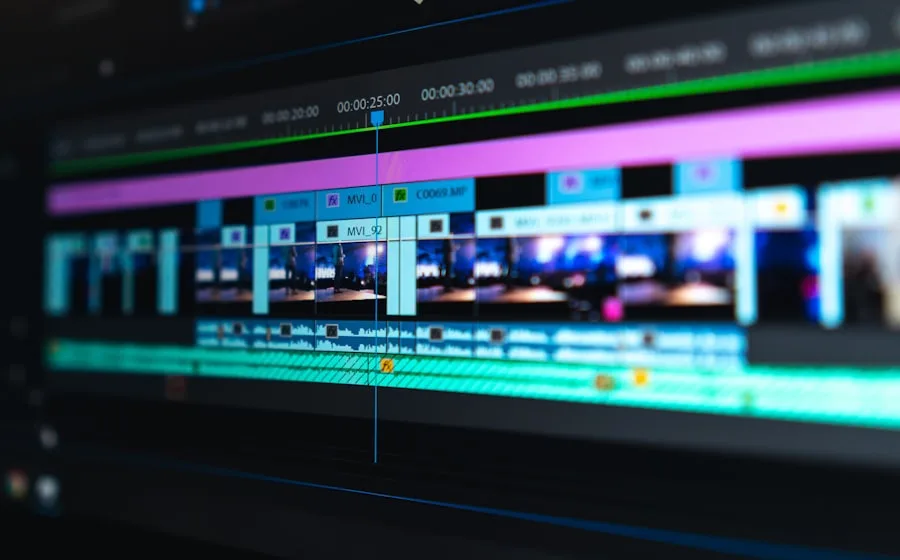
Runway blends generation with editing for creative teams. Open video stacks suit labs building custom pipelines. Both demand craft: timing, sound design, color.
Sound is half of perceived video quality, budget TTS/music legally.
Keep project files backed up; cloud projects vanish with accounts.
Color manage if you deliver to broadcast-ish standards.
Skip to Veo if you are deep in Google creatives. Skip to Runway for editor-native work. Skip to Kling/Luma for access and social speed. Skip to HeyGen for presenter explainers. Skip open stacks for DIY control.
Keep Sora when photoreal short clips are the brief and access exists.
Access and policy can matter more than peak demo quality.
Agencies should standardize one primary generator per campaign for consistency.
Educators must set disclosure rules for AI video assignments.
Can AI replace film crews? Not for most narrative productions. How long can clips be? Short, stitch with editing. Is audio included? Often weak; plan separately.
Are outputs unique? Not guaranteed. Watermarks? Check plan tiers.
Previz for real shoots is one of the healthiest pro uses.
Deepfake laws vary, do not improvise compliance.
Storyboard. Generate short. Edit hard. Add real audio. Verify rights. Ship platforms that match clip length realities. Do not promise clients a feature film from a prompt box.
TipTop-10 will revise as model access and length limits change in 2026.
Keep a failures reel, it teaches prompting faster than wins alone.
For ads, legal review before paid media flight.
A simple shot list outperforms a paragraph of cinematic adjectives.
Silence is not sound design, plan beds and VO.
Export intermediates; cloud regenerations drift.


Pair video picks with voice/TTS and image guides for a full pipeline.