Reusable Produce Bags
Best overall start
Light, washable bags that replace thin produce plastics trip after trip.
Best for
Grocery plastics
Price
$10–$25

Ranked picks for the 10 best reusable and eco-friendly home products of 2026 that genuinely reduce everyday household waste.
| Pick | Best for | Strength | Watch-out | Price band |
|---|---|---|---|---|
| Produce bags | Groceries | Easy swap | Forgetting them | $10–$25 |
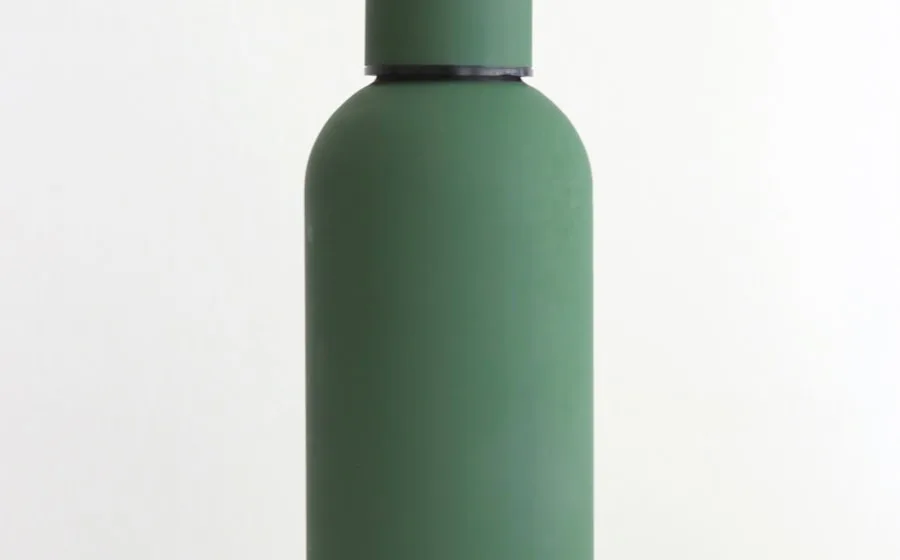
| Bottle | Drinks out | Daily use | Leaving at home | $20–$45 |
| Silicone storage | Leftovers | Wrap cut | Staining smells | $15–$40 |
| Cloth napkins | Table | Paper cut | Laundry load | $15–$40 |
| Repair kit | Longevity | Anti-waste | Skill time | $15–$50 |
| LEDs | Energy | Set/forget | Upfront cost | $5–$15 |
Eco products win when they replace a disposable you already use weekly, not when they create new clutter with a green label.
Reusable produce bags lead for a simple, high-frequency plastic reduction most households can sustain.
Green shopping can become another consumption hobby. TipTop-10 ranks reusables that replace high-frequency disposables. Reusable produce bags win overall as a low-cost, high-frequency plastic cut for grocery trips. Bottles, silicone storage, cloth napkins, repair kits, and LEDs follow as durable swaps. Compost helps when infrastructure exists. Mystery “bioplastic” gadgets often fail real compost streams and become confusing trash.
The hierarchy: refuse, reduce, reuse, repair, then recycle. Buying twelve bamboo gadgets does not beat skipping the purchase.
Washability and forgettability matter, if it stays at home, it does not replace anything.
An eco product left in a drawer is just inventory with better PR.
Check whether your city actually accepts a “compostable” claim before you believe the package.
Keep produce bags in the grocery tote you already grab.
Repair skills reduce textile waste more than new “sustainable” fast fashion.
Energy and heating choices often dwarf kitchen straw debates, still do both if you can.
We weight frequency of replaced disposables, durability, cleanability, honest materials claims, and low secondary waste (packaging, filters). We demote greenwash and unitaskers.
Local recycling rules vary, we prefer true reuse.
Microplastics debates exist for some synthetics, prefer quality and longevity.
Secondhand durable goods can beat new “eco” purchases.
Thin produce plastics are frequent and avoidable. Lightweight mesh/cotton bags weigh little at checkout and wash easily. Habit tip: return them to the tote immediately after unloading.
Label bags for bulk bins if you use them.
Avoid buying decorative sets you will not carry.
Bottles stop impulse PET purchases. Silicone bags/tops cut wrap. Cloth napkins work with laundry rhythm. If dishwashing capacity is maxed, start smaller.
Stain-prone sauces may need dedicated cloths.
Beeswax wraps have care limits, read them.
Repair extends product life, the quiet climate strategy. LEDs cut electricity with almost no behavior drama. Composting organics matters where collection or backyard systems work; otherwise food scrap strategies differ.
Learn three sewing stitches; they save shirts.
Battery-powered “eco” gadgets still have battery waste, count it.
Vague “eco,” “green,” or “earth” without specifics is a smell test fail. Compostable plastics often need industrial facilities. Carbon offsets on junk products do not make them necessary. Prefer transparent materials and repairability.
Certifications help but are not perfect, still ask what is certified.
Shipping overnight for a bamboo toothbrush is comedy.
Skip to bottles if takeout drinks are your plastic spike. Skip to compost if food scraps dominate trash. Skip to LEDs if energy is the focus. Skip to repair kits if clothing waste is your guilt pile.
Keep produce bags if groceries are the weekly plastic ritual.
Your trash audit should pick the winner, not a trend video.
Zero-waste maximalism can burn people out; sequence changes.
Shared households need buy-in or reusables become your private chore.
Is reusable always better? Usually when used many times. What about cotton’s water footprint? Longevity and frequency matter in LCAs. Should you replace working plastic? Not always, use it out, then switch.
Wash reusables; dirty bags undermine the point.
Donate usable duplicates instead of landfill “decluttering.”
Audit weekly disposables. Swap the top one. Automate the habit (bags in tote). Add repair. Fix lighting. Ignore green gadgets that invent new needs. Reassess seasonally.
TipTop-10 will update as materials claims and municipal rules evolve in 2026.
Keep a “misc reusable” pouch by the door.
Celebrate skipped purchases, not only new eco buys.
A kitchen trash audit photo is more educational than a sustainability podcast alone.
If a reusable needs three accessories to work, it may be too fragile as a habit.
Municipal websites beat influencer recycling advice.
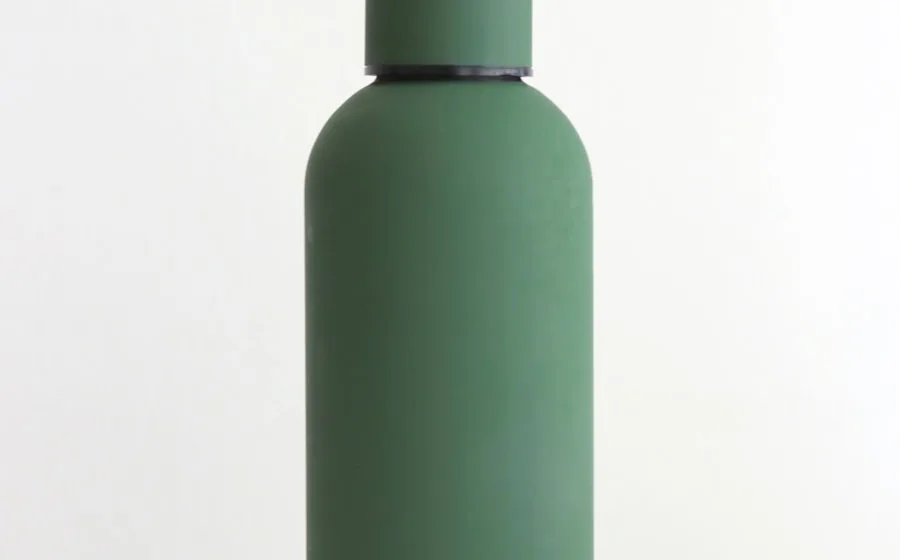

Kitchen, bottles, and travel guides connect to lower-waste routines.