Smart Speaker with Display
Best overall hub
Voice + screen for cameras, timers, and routines without unlocking a phone every time.
Best for
Family control
Price
$90–$200

Ranked picks for the 10 best smart home devices in 2026, from smart speakers to video doorbells and Matter-compatible hubs.
| Pick | Best for | Strength | Watch-out | Price band |
|---|---|---|---|---|
| Speaker+display | Daily control | Voice/UI | Ecosystem pull | $90–$200 |
| Matter hub | Mixed brands | Interop | Setup learning | $80–$180 |
| Doorbell | Door awareness | Video alerts | Wiring/Wi-Fi | $80–$180 |
| Thermostat | Energy | Comfort schedules | HVAC compat | $100–$250 |
| Smart lock | Access codes | Keyless entry | Battery/fail | $150–$280 |
| Leak sensors | Risk reduce | Cheap alerts | App fatigue | $30–$70 |
Smart home success in 2026 is less about collecting gadgets and more about a reliable hub plus a few high-friction automations.
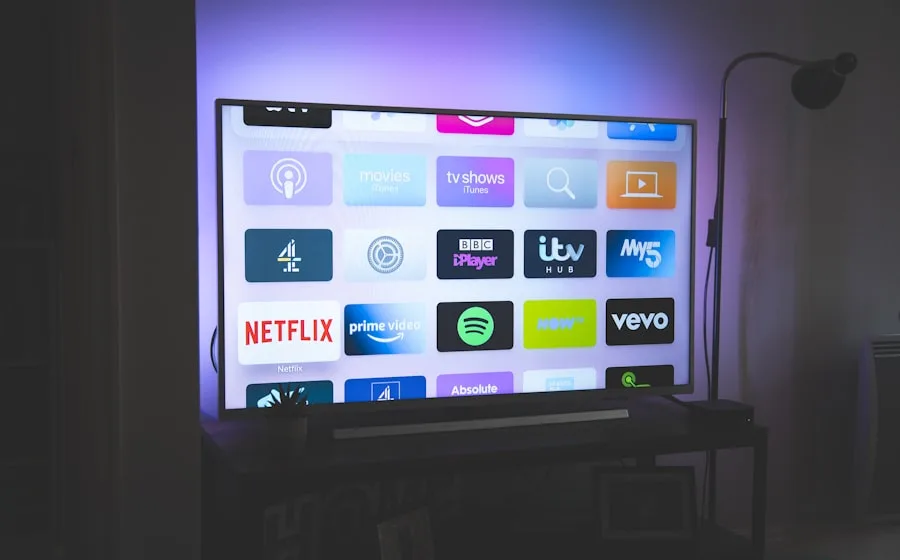
A smart speaker with a display wins overall because it becomes the household control surface people will actually use.
The smart home category fails when it becomes a hobbyist maze of apps, bridges, and broken routines. It succeeds when a few devices remove repeated friction: locking the door, adjusting temperature, seeing who is outside, catching a leak. In 2026, Matter and Thread finally make mixed-brand setups more realistic, but only if you own a competent border router hub and resist novelty sensors.
Our overall winner is a Smart Speaker with Display because households need a shared control surface. Guests can understand a screen. Kids can see timers. Camera check-ins do not require unlocking a phone with wet hands. Pair it with a Matter Thread hub if your speaker ecosystem is weak on Thread bordering.
Start with one pain: front door, thermostat, or leaks. Do not buy twelve bulbs on day one. Expansion is easy; trust recovery after a messy start is not.
Automate the chore you forget, not the light show you will disable in a week.
If a device needs a new app account for a single function, price that annoyance honestly.
Wi-Fi congestion kills smart homes quietly. 2.4 GHz overcrowding, mesh weirdness, and IoT VLANs (for advanced users) matter. Put critical devices on stable SSIDs. Doorbells especially hate marginal signal at the porch.
Power planning matters: wired doorbells beat battery anxiety; locks need battery discipline; hubs should sit on UPS if outages are common. A smart home that dies with every flicker is not smart.
We weight reliability, setup friction, privacy posture, Matter/Thread readiness where relevant, household shared usability, and whether the device still helps when the cloud blips. Spec gimmicks lose to devices that survive boring Tuesdays.
Security cameras and locks get stricter scrutiny because failure modes are expensive emotionally.
Renters should prefer removable devices: plugs, speakers, battery doorbell alternatives, stick-up cams with clean removal. Owners can invest in in-wall switches and wired doorbells.
Voice recognition multi-user features are nice; they are not required if a display and app access cover the household.
Matter aims to let devices work across major ecosystems. Thread is a low-power mesh radio that often underpins modern sensors and bulbs. A Thread border router is how those devices talk to your wider network. Without it, you buy future logos and get present frustration.
Matter is not magic. Commissioning can still fail. Stick to mature device categories first: lights, plugs, locks emerging carefully, sensors. Be wary of first-week Matter SKUs from unknown brands.
Keep a simple topology: one primary hub philosophy, then Matter accessories. Two competing voice ecosystems in one house create routine duplication and arguments.
Document device setup codes and QR stickers. Future you will thank present you during a router swap.
Video doorbells are high value when wired and paired with chime options that do not annoy neighbors endlessly. Review storage: free tiers degrade; subscriptions add up. Local storage options deserve preference when available.
Smart locks should always have a physical key or predictable mechanical backup. Auto-lock timings must match your life or you will fight the door.
Indoor cameras belong where privacy expectations are clear. Bedrooms and bathrooms are almost never appropriate. Physical shutters help shared spaces.
Package theft deterrence is partly visibility and partly neighborhood reality. A doorbell helps; it does not replace a locked closet for deliveries if theft is rampant.
Smart thermostats shine with schedules, remote adjust, and room sensors in awkward houses. Compatibility with your HVAC is mandatory research, not optional. Heat pumps and multi-stage systems need careful matching.
Leak sensors are the cheapest smart home win. Place them under sinks, behind washers, near water heaters. Alerts only help if someone receives them, test notifications.
Energy savings claims vary. Comfort improvements and “forgot heat on during vacation” prevention are often the real wins.
Pair leak sensors with automatic water shutoff only if professionally appropriate; do not DIY critically if unsure.
Lighting automations stick when they map to daily rhythms: morning brightening, evening warm scenes, away mode. Colored party bulbs are optional flair. Matter starter kits beat proprietary hubs for five bulbs.
Motorized shades are premium comfort for glare-heavy rooms. Installation complexity is the filter, if you cannot mount safely, skip.
Use scenes sparingly. Twelve overlapping routines become debugging weekends. Three solid routines beat thirty fragile ones.
Guest mode matters: can visitors turn on lights without your biometric phone?
Skip it if you refuse always-listening microphones, use a non-mic hub approach with phones and wall tablets you control. Skip it if you already have a mature hub you love; buy Matter accessories instead. Skip doorbells if Wi-Fi at the porch is hopeless until you fix networking.
Buy the speaker display if shared household control is the missing piece.
Privacy comfort is part of product fit, not an afterthought.
Mute switches help but do not satisfy everyone. Honor your household’s comfort level.
If roommates disagree on cameras, resolve that socially before purchasing.
Do you need Matter today? Helpful for new lights/plugs; not mandatory if your current system is stable. Will devices work offline? Varies, prefer local execution for lights and locks when possible.
Are cheap sensors OK? Often yes for leaks/contact; be careful with security-critical devices. How to avoid junk drawers? One in, one evaluated after 30 days.
Router upgrades fix more smart home “device defects” than returns do.
Label breakers and note which in-wall devices you installed for the next owner or your future self.
Pick a hub strategy. Fix Wi-Fi. Automate one pain. Expand with Matter-friendly accessories. Delete devices that do not earn their app icon.
TipTop-10 will update as Matter matures through 2026. Reliability remains the ranking north star.
Write routines in plain language on paper first: “When the last person leaves, set eco temp and turn off downstairs lights.” Then implement.
Seasonal devices (outdoor plugs) deserve a calendar reminder to waterproof-check each spring.
Keep a dumb flashlight and physical keys; smart homes still meet storms and outages.
Separate IoT passwords from email passwords, reuse is how boring breaches happen.
Children’s voices triggering purchases is a real setting to disable.
Launch calendars will keep inventing new labels for smart home setup. Most of those labels rearrange old trade-offs. Your job as a buyer is to name the constraint that actually hurts, battery, fit, noise, ports, privacy, dock size, update length, and refuse products that ignore it.
TipTop-10 would rather publish a shorter honest shortlist for smart home setup than pad a top ten with near-identical clones. If two picks differ only by colorways, we say so and push you toward the cheaper or more repairable option.
Retail demos for smart home setup are optimized for bright lights and short attention. Ownership is optimized for Thursday evenings, travel days, and the boring middle of a product’s life. Rank those contexts higher than the demo loop.
Accessories, subscriptions, and consumables can rewrite the true price of smart home setup. Add them on paper before you congratulate yourself on a sale price. A “deal” that requires three proprietary refills is not a deal.
If you are choosing between two close options in smart home setup, prefer clearer returns, better spare-parts availability, and documentation you can understand without a forum scavenger hunt.
Software abandonment is an ownership risk across smart home setup. Prefer vendors with a boring history of updates over vendors with a thrilling history of rebrands.
Travel changes the calculus for smart home setup. Size, cable count, watt-hour labels, and one-handed use matter more in airports than they do on a review bench.
Sustainability for smart home setup is partly longevity: buying once and keeping a product for years beats recycling a stack of disappointed upgrades. Repairability and durable basics support that goal better than recycled packaging stickers alone.


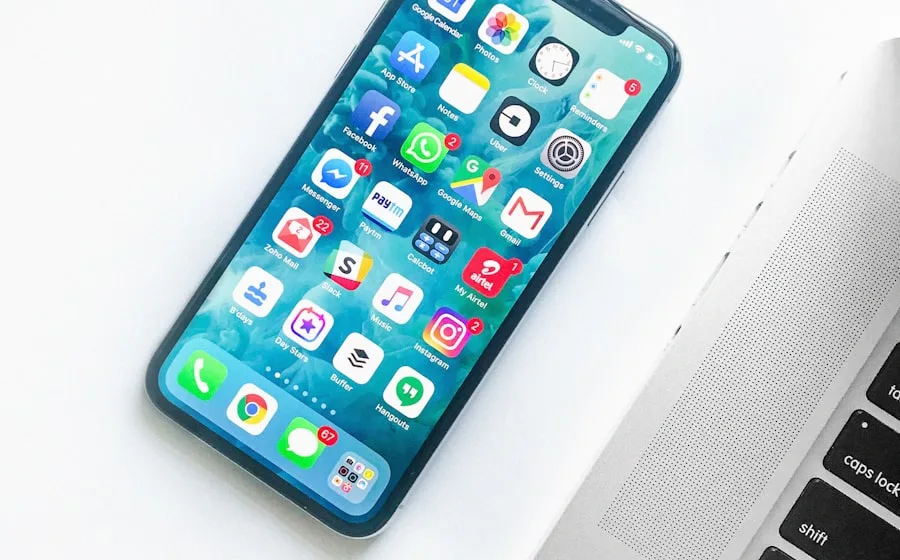
From phones to robots, TipTop-10 ranks gear for ownership, not launch demos.