Flagship Pick: Premium Android Handset
Best overall
Top display, sustained performance, and update commitments with accessory flexibility.
Best for
Power users
Price
$800–$1,100

Our ranked, tested guide to the 10 best smartphones of 2026 across flagship, mid-range, and budget tiers.
| Pick | Best for | Strength | Watch-out | Price band |
|---|---|---|---|---|
| Premium Android | Flexibility | Ports/updates | Bloat risk | $800–$1.1k |
| Ecosystem flagship | Stack sync | Integration | Switch cost | $800–$1.2k |
| Mid OLED | Value | Screen/battery | Zoom limits | $350–$550 |
| Compact | One hand | Size | Battery trade | $700–$1k |
| Budget 5G | Basics | Price | Updates/cam | $180–$300 |
| Refurb flagship | Features/$ | Performance | Battery wear | $350–$650 |
Phones in 2026 improve in edges: efficiency, cameras in tough light, and update promises, not magical redesigns every autumn.
A Premium Android flagship wins overall for flexibility, display quality, and charging options without ecosystem lock as the only path.
Smartphone leaps are incremental. The ranking question is which compromises you refuse: size, battery anxiety, camera in dim restaurants, update longevity, or ecosystem lock-in. TipTop-10’s overall pick is a Premium Android flagship because it balances display, performance, charging flexibility, and accessory choice for the widest set of power users who do not want a walled garden as destiny.
If your life is already watches, buds, and tablets in one ecosystem, the Premium Ecosystem Flagship may be happier even when Android rivals match cameras. Mid-range OLED heroes remain the rational buy for most people who do not need flagship zoom wars. Refurbished last-gen flagships are often smarter than new midranges for raw capability, if battery health is documented.
Skip megapixel theater. Prefer optical quality, consistent tone, and video stabilization. Skip storage base models that strand you at 128GB if you shoot 4K.
Buy the phone for year-three updates and Thursday battery, not the keynote animation.
Name your top three camera scenarios before paying for a telephoto you will never use.
Hand feel and weight distribution predict satisfaction. Heavy cameras bump comfort. Cases change grip, budget a case that does not ruin button access.
Carrier variants and modem behavior still differ. International travelers should verify band support rather than assuming global perfection.
Trade-in math can justify flagships; just compare against midrange + keeping money, not against zero.
We weight battery endurance with mixed use, display quality, camera consistency, performance stability, software update commitments, repair outlook, and value by tier. Launch gimmicks without ownership payoff rank lower.
Ecosystem features count when they reduce daily friction, not as automatic victories.
Thermal throttling during video recording and gaming matters more than synthetic peaks.
Ad-heavy software skins are ownership taxes; cleaner skins score better at equal hardware.
Flagships earn money with best cameras, brightest panels, longest update promises, and build materials. Midranges earn money by delivering 90% of daily joy cheaper. If you keep phones four years, flagship updates matter more. If you upgrade every two, midrange math strengthens.
Compact flagships are worth a premium if one-handed use is non-negotiable, the market under-serves this need.
Gaming phones trade camera and weight for thermals and refresh, buy only if play hours dominate.
Rugged phones trade beauty for seals and survival, buy for jobsites, not fashion.
Computational photography can help or plasticize skin. Prefer systems with natural default tones and useful night modes. Zoom quality beats zoom count. Video stabilization matters for parents and travelers more than still megapixels.
Third-party camera apps can unlock manual control on some Androids; ecosystem flagships may limit that freedom.
Ultrawide usefulness depends on travel and real estate shooting. Selfie quality matters for frequent video calls.
Store camera samples in bright light lie; inspect shadow recovery and indoor tungsten scenes.
Efficiency silicon plus sensible software beats huge batteries alone. 80% charge habits can help longevity. Fast charging is convenience; heat management is health.
Wireless charging is lifestyle sugar, nice at desks, slow for emergencies. Carry a cable anyway.
Battery health metrics help decide refurb purchases. Under ~85% health, negotiate or walk.
Replaceable batteries remain rare; repair programs that swap batteries at fair prices deserve credit.
OS and security update length is part of the product. Prefer clear commitments. Repairability scores and parts availability predict whether a cracked screen ends the phone’s life early.
Leaving an ecosystem costs time: photo libraries, watch pairs, and seamless handoff. Factor switching costs before “just trying” a rival.
Exportability of photos and chats is a freedom feature. Prefer platforms that do not punish exit.
Official refurbished programs can be safer than auction lottery units.
Skip if ecosystem lock-in already makes your watch and earbuds happiest elsewhere. Skip if midrange covers your camera needs. Skip if you want the smallest possible phone, choose compact. Skip if budget is tight, mid OLED or reputable refurb.
Keep it if you want flexibility, expandable accessory choice, and top-tier displays without buying a whole stack.
Ecosystem gravity is real, fight it only if the benefits outweigh the switching tax.
Parents sharing devices may prefer the ecosystem with the best parental controls they will actually configure.
Dual-SIM / eSIM needs vary by country, verify before import purchases.
Is 120Hz required? Wonderful, not mandatory. Is AI photo editing essential? Optional. How much storage? 256GB is the comfortable default for camera users in 2026.
Carrier locked? Avoid when possible. Screen protectors? Yes for most. Cases? Yes if you ever pocket keys.
PWM flicker sensitivity is personal; if you get headaches, research display types carefully.
Satellite SOS features are niche insurance, nice, not a ranking core for city users.
List must-have constraints: size, camera scenarios, battery days, ecosystem. Pick tier. Then compare two finalists on hands-on feel if you can. Ignore launch memes.
We will revise as update policies and efficiency silicon shift through 2026.
Keep boxes until carrier financing and return windows clear.
Migrate with a weekend plan: authenticator apps first, then messages, then media.
Clean charging ports gently; lint kills cables and wireless coils’ alignment habits.
A cheap phone stand upgrades video calls more than another filter app.
Back up before OS upgrades on day-one releases if you need stability.
Launch calendars will keep inventing new labels for smartphone buying. Most of those labels rearrange old trade-offs. Your job as a buyer is to name the constraint that actually hurts, battery, fit, noise, ports, privacy, dock size, update length, and refuse products that ignore it.
TipTop-10 would rather publish a shorter honest shortlist for smartphone buying than pad a top ten with near-identical clones. If two picks differ only by colorways, we say so and push you toward the cheaper or more repairable option.
Retail demos for smartphone buying are optimized for bright lights and short attention. Ownership is optimized for Thursday evenings, travel days, and the boring middle of a product’s life. Rank those contexts higher than the demo loop.
Accessories, subscriptions, and consumables can rewrite the true price of smartphone buying. Add them on paper before you congratulate yourself on a sale price. A “deal” that requires three proprietary refills is not a deal.
If you are choosing between two close options in smartphone buying, prefer clearer returns, better spare-parts availability, and documentation you can understand without a forum scavenger hunt.
Software abandonment is an ownership risk across smartphone buying. Prefer vendors with a boring history of updates over vendors with a thrilling history of rebrands.
Travel changes the calculus for smartphone buying. Size, cable count, watt-hour labels, and one-handed use matter more in airports than they do on a review bench.
Sustainability for smartphone buying is partly longevity: buying once and keeping a product for years beats recycling a stack of disappointed upgrades. Repairability and durable basics support that goal better than recycled packaging stickers alone.
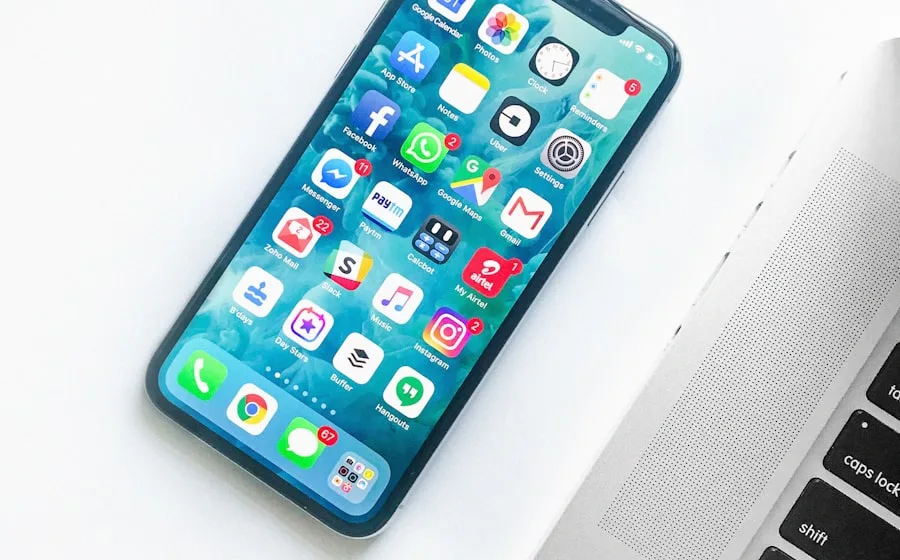
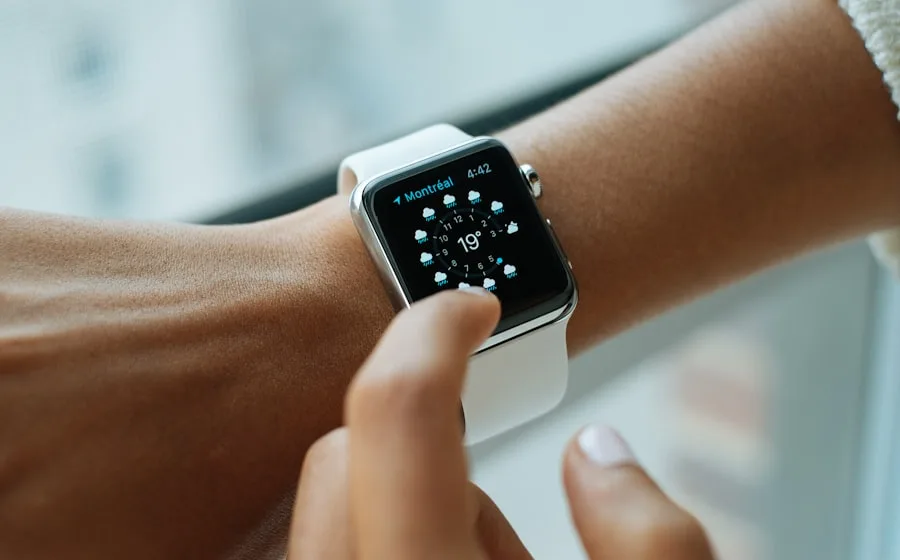
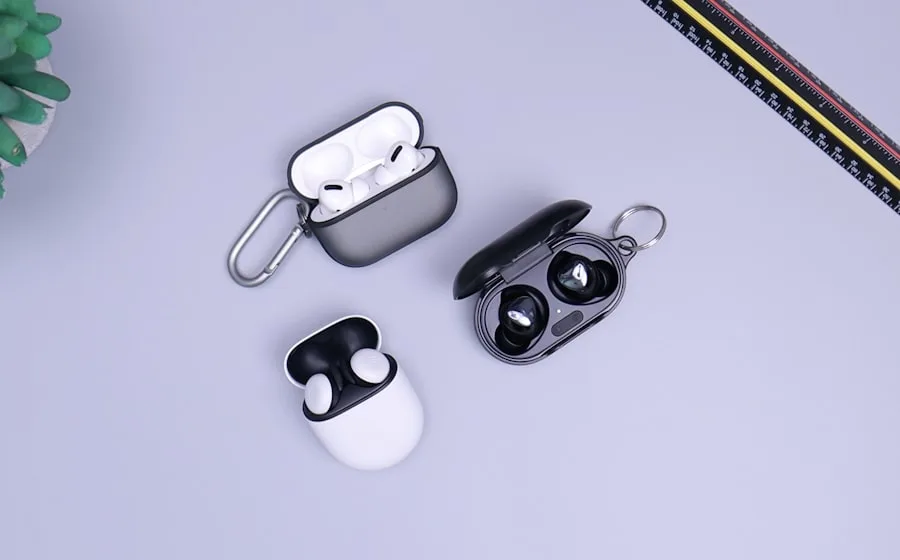
See earbuds, watches, and chargers ranked with the same standard.