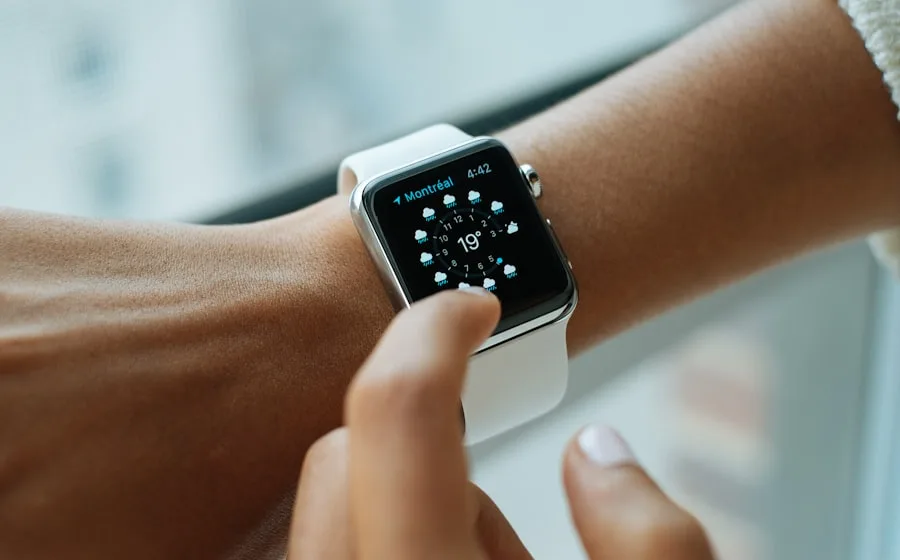
Flagship Smartwatch
Best overall
Apps, health sensors, and bright displays for people who want a true second screen.
Best for
Phone companion
Price
$300–$550

The 10 best smartwatches and fitness watches of 2026, ranked by battery life, health tracking accuracy, and everyday usability.
| Pick | Best for | Strength | Watch-out | Price band |
|---|---|---|---|---|
| Flagship SW | Notifications | Apps/health | Nightly charge | $300–$550 |
| Fitness GPS | Training | Battery/GPS | Smart apps | $250–$500 |
| Health band | Sleep | Comfort | App depth | $80–$180 |
| Rugged | Outdoors | Durability | Bulk/style | $300–$700 |
| Budget | Basics | Price | Accuracy | $70–$150 |
| Hybrid | Subtle | Week battery | Screen info | $150–$350 |
Watches split between smartwatch lifestyle hubs and fitness-first trackers with longer batteries.
A Flagship Smartwatch wins overall for the balance of notifications, health features, and daily wearability, if you accept nightly charging.
Smartwatches and fitness watches solve different anxieties. One wants glances, payments, apps, and rich health snapshots, usually with nightly charging. The other wants training metrics and multi-day batteries. TipTop-10’s overall winner is the Flagship Smartwatch because most buyers want notifications and health in one attractive package. Serious runners should override that and buy a Fitness GPS Watch without guilt.
Comfort decides data quality. A beautiful watch left on the nightstand produces no sleep insights. Lightweight bands often win for 24/7 wear. Hybrids win for people who hate looking “techy” at dinner.
Subscriptions that gate basic heart insights are a hard pass unless the hardware is uniquely strong. Prefer devices that deliver core metrics without renting your wrist.
The best watch is the one you forget you are wearing, until it buzzes usefully.
Decide battery philosophy before you fall for a watch face store.
Phone OS lock-in is severe: many flagship watches require a matching phone family. Verify pairing before you buy on sale.
Wrist size and band materials cause returns. Sport bands for training, leather or metal for office, interchangeable systems help.
ECG and advanced metrics are extras; consistency of heart-rate during intervals matters more for athletes.
We weight wear comfort, battery reality, tracking usefulness (not marketing sensors), notification sanity, app dependency, and value. Medical claims get skepticism without clear validation language.
Training watches are scored on GPS sense and recovery tools; smartwatches on daily companion quality.
Water resistance ratings must match swimming reality; soap and hot water still have rules.
Microphone/speaker quality matters if you take calls from the wrist often, many people never will.
Smartwatches shine as phone satellites. Fitness watches shine as training computers. Crossing the streams casually creates disappointment: athletes hate nightly charges; notification addicts hate button mazes without apps.
Some hybrids try both; usually one side wins. Be honest about which anxiety is louder.
If you already track training with a chest strap and bike computer, a lighter health band may be enough on the wrist.
If you want payments and transit passes, flagship smartwatches typically lead.
Treat wrist data as directional. Sleep stages are estimates. Stress scores are models. Use trends, not single-night panic. For medical questions, talk to clinicians, not watch faces.
Women’s health features should be inspectable and exportable. Kids’ watches should prioritize safety controls over social clutter.
Skin tone, tattoos, and fit can affect optical HR. Tightness guidelines exist for a reason.
Calibration with outdoor runs improves GPS watches more than endless wrist menus.
Nightly charge class: flagship smartwatches. Multi-day class: many fitness watches and bands. Week-plus: hybrids and some GPS watches in smartwatch-off modes.
Always-on displays tax batteries. Bright outdoor modes tax more. Pick defaults you can live with.
Travel with a cable even for “week battery” watches, GPS days drain faster.
LTE models add battery and cost complexity; enable only if leave-phone runs are frequent.
Health data is sensitive. Review what is stored in cloud accounts, what can be deleted, and whether sharing with coaches is granular. Prefer platforms with clear export.
Avoid forcing social leaderboards if you want a calm relationship with exercise.
Separate fitness accounts from throwaway marketing logins when vendors allow.
Workplace wellness programs that demand watch data deserve scrutiny before you enroll.
Skip to Fitness GPS if training is the identity. Skip to a band if sleep comfort is everything. Skip to hybrid if you want subtlety. Skip LTE costs if you will never leave the phone.
Keep flagship if notifications + health + style in one device is the brief.
Battery class mismatch is the most common watch regret.
Metal allergies are real, check case and buckle materials.
If you rotate watches fashionably, simpler trackers may frustrate less than expensive smartwatches left idle.
Do you need ECG? Optional for most. Blood pressure claims? Be wary. Can watches replace phones? Only narrowly with LTE and compromises.
Are expensive bands worth it? Comfort yes; pure fashion optional. Kids’ GPS accuracy? Neighborhood dependent.
Screen protectors help some rectangular watches; curved glass is trickier.
Firmware updates can alter battery, read notes after sudden changes.
Choose battery class and phone compatibility first. Then sensors and style. Wear it for a week before judging health features, consistency beats novelty dashboards.
TipTop-10 will update as sensors and subscription practices evolve in 2026.
Set notification filters on day one or you will mute the whole device by day three.
Charge at a consistent time (breakfast or bedtime) so battery anxiety fades into habit.
Swap bands seasonally, sweat-friendly for summer training, dress bands for events.
A $10 charger dock near keys beats hunting cables.
Disable redundant phone notifications that double-buzz your wrist and pocket.
Launch calendars will keep inventing new labels for smartwatch buying. Most of those labels rearrange old trade-offs. Your job as a buyer is to name the constraint that actually hurts, battery, fit, noise, ports, privacy, dock size, update length, and refuse products that ignore it.
TipTop-10 would rather publish a shorter honest shortlist for smartwatch buying than pad a top ten with near-identical clones. If two picks differ only by colorways, we say so and push you toward the cheaper or more repairable option.
Retail demos for smartwatch buying are optimized for bright lights and short attention. Ownership is optimized for Thursday evenings, travel days, and the boring middle of a product’s life. Rank those contexts higher than the demo loop.
Accessories, subscriptions, and consumables can rewrite the true price of smartwatch buying. Add them on paper before you congratulate yourself on a sale price. A “deal” that requires three proprietary refills is not a deal.
If you are choosing between two close options in smartwatch buying, prefer clearer returns, better spare-parts availability, and documentation you can understand without a forum scavenger hunt.
Software abandonment is an ownership risk across smartwatch buying. Prefer vendors with a boring history of updates over vendors with a thrilling history of rebrands.
Travel changes the calculus for smartwatch buying. Size, cable count, watt-hour labels, and one-handed use matter more in airports than they do on a review bench.
Sustainability for smartwatch buying is partly longevity: buying once and keeping a product for years beats recycling a stack of disappointed upgrades. Repairability and durable basics support that goal better than recycled packaging stickers alone.

Build a kit with our smartphone and earbuds rankings next.