Best Overall Wireless Charging Pad
Best overall
Aligned Qi2-style charging that just works with sane temperatures.
Best for
Nightstand/desk
Price
$25–$50

Our ranked list of the 10 best wireless chargers and portable power banks in 2026 for phones, earbuds, and everyday carry.
| Pick | Best for | Strength | Watch-out | Price band |
|---|---|---|---|---|
| Qi2 pad | Desk/night | Simplicity | Slower than cable | $25–$50 |
| GaN 65W | Travel | Size/power | Port count needs | $30–$60 |
| 20K bank | Long days | Capacity | Weight | $40–$80 |
| Mag pack | Walk charge | Convenience | Phone match | $40–$90 |
| 3-in-1 | Bedside | One cable | Ecosystem lock | $60–$120 |
| Cables | Everything | Watt delivery | Easy to forget | $15–$35 |
Charging gear is infrastructure: safety, honesty, and daily convenience beat RGB theatrics.
A well-designed wireless pad wins overall for desk life, while GaN bricks and banks cover travel realities.
Charging accessories are where cheap can become unsafe. TipTop-10 prioritizes certified behavior, temperature sanity, and honest capacity labeling. The Best Overall Wireless Charging Pad wins for everyday desk and nightstand friction removal, drop, align, done, especially as Qi2-style magnetic alignment reduces the “why isn’t it charging?” ritual.
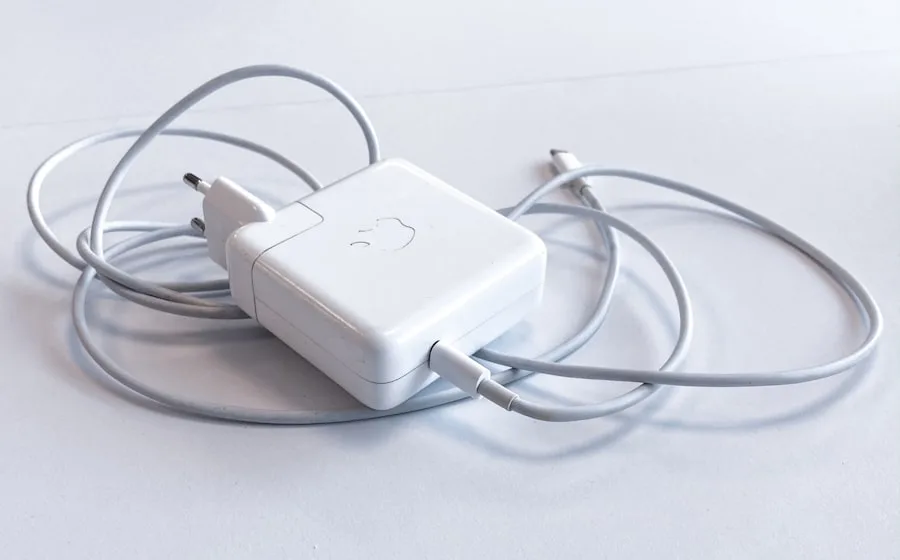
Travelers should treat a GaN 65W brick and a 20K PD bank as the real heroes. Wireless is convenience at rest; cables still win when you need speed before a boarding call. Mag-compatible packs are excellent for supported phones on long walks and miserable if your case ecosystem fights magnets.
3-in-1 docks earn a bedside slot only when phone, watch, and buds share an ecosystem. Otherwise you are buying empty coils.
Heat is the enemy, warm chargers are warnings, not personality.
If a power bank’s capacity claims look miraculous for the price, believe physics instead.
Case thickness and metal plates kill wireless performance. Mag-friendly cases exist for a reason.
Airline rules care about watt-hours. Learn to read WH on the label, not only mAh marketing.
Cable gauge and e-marker chips decide whether your 65W brick actually delivers 65W.
Safety certifications, thermal behavior, protocol correctness (PD/PPS/Qi2), real-world capacity, port usefulness, and durability. RGB and clock gimmicks are tiebreakers at best.
We punish false advertising and melting-hot no-name car chargers.
Multi-port bricks must state shared wattage rules; 100W total is not 100W per port.
Passive wireless pads should not cook phones overnight, foreign object detection matters.
Alignment is everything. Mag-style pads reduce miss charges. Stands help for notifications and video calls. Active cooling helps during gaming charge sessions but adds bulk and fan dust.
Wireless will usually be slower than a good cable. Use it for convenience sessions, not emergency top-ups.
Nightstand pads with sleep tracking watches nearby can interfere if poorly designed, give coils space.
Furniture inlay chargers look clean; repair difficulty is the cost.
GaN enables smaller high-watt bricks. Buy clear PD profiles and enough ports for your kit. Folding prongs help travel. Separate a home brick from a travel brick if you hate unpacking constantly.
Laptop charging may require higher wattage and correct PPS/PD handshakes, check your model’s needs.
Hotel outlets and desk clamps stress prongs, build quality shows up there.
Surge-prone regions may still want a simple surge strip upstream of fancy bricks.
20K class banks cover phones plus cushion. 10K class wins pockets. USB-C input/output simplifies cables. Low-current modes charge buds. Pass-through charging can be useful but warmer.
Mag packs trade pocket thickness for walkability. Decide based on commute patterns.
Heat in hot cars destroys banks, do not bake them on dashboards.
Recycle swollen packs properly; do not bag them casually.
Cables are part of the charger. Underrated, underbought, over-blamed. Keep color-coded lengths: short for banks, long for couch, tough for bags.
Car PD chargers face heat and vibration. Avoid bargain mystery sticks that discolor.
Label a “travel known good” cable kit and do not lend it away loosely.
Replace frayed cables immediately, fire risk is not dramatic language.
Skip if you only charge in bags and cars, prioritize GaN + bank. Skip 3-in-1 if devices mismatch. Skip Mag packs if your phone lacks magnet alignment.
Keep the pad if nightstand and desk drop-and-go is your ritual.
Speed emergencies want cables; calm routines want pads.
Shared households may want two pads to end nightstand arguments.
Offices sometimes block high-watt draws, test before relying on a single desk brick.
Is wireless bad for batteries? Heat is the issue, good pads manage it; under-pillow charging is foolish. Can any bank charge a laptop? Only if wattage/protocol match.
Do you need Qi2? Helpful for alignment on supported phones; older Qi still works with more fidgeting.
Overnight charging to 100% every night is a habit debate, many phones offer charge limits.
Airport liquid rules do not apply to banks, but security may still swab, arrive with time.
Build a kit: home pad, travel GaN, bank sized to your days, and two known-good cables. Replace anything that runs hot or smells wrong without debate.
We will revise as Qi2 and PD evolve through 2026.
Photograph labels of banks for airline WH proof if packaging is gone.
Gift chargers with cables included, incomplete gifts become drawer junk.
A cable organizer pouch prevents the “spaghetti tax” on travel mornings.
Dust wireless coils; grit causes misalignment and heat.
Do not daisy-chain random adapters into unstable towers.
Launch calendars will keep inventing new labels for charging gear. Most of those labels rearrange old trade-offs. Your job as a buyer is to name the constraint that actually hurts, battery, fit, noise, ports, privacy, dock size, update length, and refuse products that ignore it.
TipTop-10 would rather publish a shorter honest shortlist for charging gear than pad a top ten with near-identical clones. If two picks differ only by colorways, we say so and push you toward the cheaper or more repairable option.
Retail demos for charging gear are optimized for bright lights and short attention. Ownership is optimized for Thursday evenings, travel days, and the boring middle of a product’s life. Rank those contexts higher than the demo loop.
Accessories, subscriptions, and consumables can rewrite the true price of charging gear. Add them on paper before you congratulate yourself on a sale price. A “deal” that requires three proprietary refills is not a deal.
If you are choosing between two close options in charging gear, prefer clearer returns, better spare-parts availability, and documentation you can understand without a forum scavenger hunt.
Software abandonment is an ownership risk across charging gear. Prefer vendors with a boring history of updates over vendors with a thrilling history of rebrands.
Travel changes the calculus for charging gear. Size, cable count, watt-hour labels, and one-handed use matter more in airports than they do on a review bench.
Sustainability for charging gear is partly longevity: buying once and keeping a product for years beats recycling a stack of disappointed upgrades. Repairability and durable basics support that goal better than recycled packaging stickers alone.
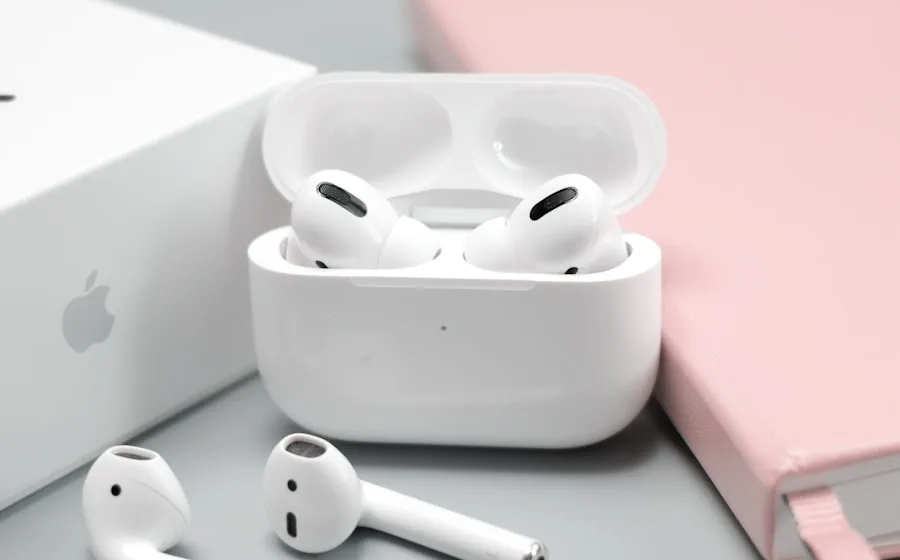
Pair chargers with phone and earbud picks from our Tech rankings.