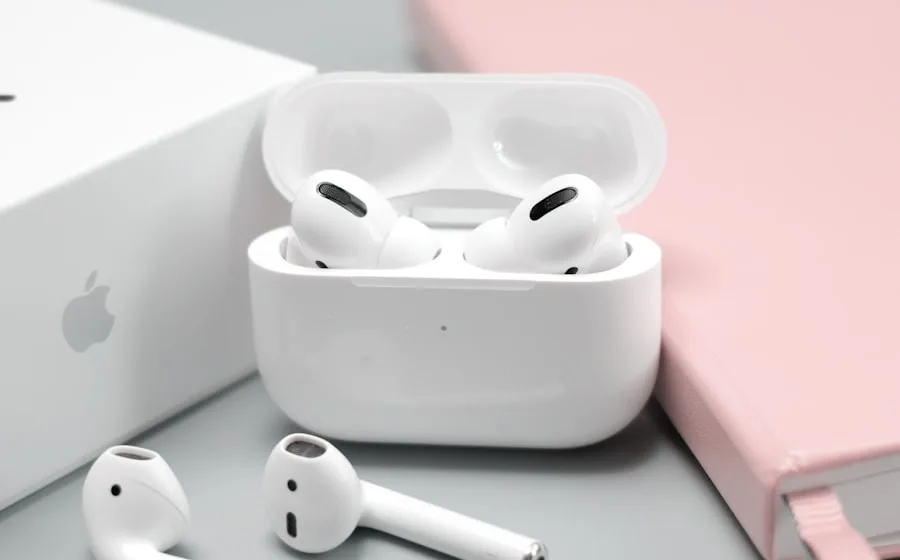
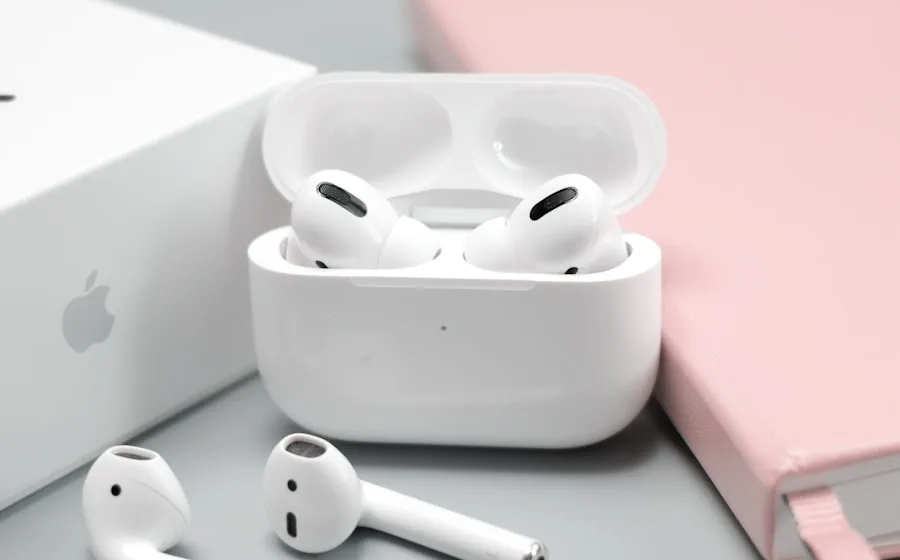
Flagship ANC Earbuds
Best overall
Class-leading hush, solid calls, and mature apps without gimmick overload.
Best for
Commute & focus
Price
$200–$300

We tested and ranked the 10 best wireless earbuds of 2026, covering flagship noise-cancelling models down to budget-friendly picks.
| Pick | Best for | Strength | Watch-out | Price band |
|---|---|---|---|---|
| Flagship ANC | Commute | Hush + features | Price | $200–$300 |
| Call buds | Meetings | Mics | Music tuning | $150–$250 |
| Sport hooks | Gym | Stability | ANC depth | $80–$180 |
| Budget ANC | Value | Price/hush | Calls/app | $50–$100 |
| Open-ear | Awareness | Comfort | Isolation | $100–$200 |
| Multipoint | Desk hybrid | Switching | ANC peak | $120–$220 |
Fit beats features: the best ANC chip fails on a poor seal.
Flagship ANC earbuds win overall for commute-destroying hush plus competent calls, if tips match your ears.
Wireless earbuds matured into a fit-and-microphone category more than a bass-demo category. Flagship ANC models still earn the top slot for people who fight trains, planes, and open offices, but only after tip seal is solved. If meetings define your day, prioritize call-focused buds even when ANC scores are a hair lower. If you run, buy hooks and sweat resistance before cinematic silence.
Open-ear designs grew up for all-day awareness and comfort; they will not replace ANC on subway platforms. Budget ANC can be enough for many buses if you are tip-patient. Multipoint pairing is a quiet productivity feature for phone-plus-laptop lives.
Cases are part of durability. Hinges and pocket lint kill more buds than drivers do. Wireless case charging is nice; a cable in the bag remains mandatory.
ANC is a seal feature first and a chip feature second.
Spend your return window testing tips, not living with pain.
Foam tips versus silicone is personal; carry both when kits include them.
Wind noise algorithms differ wildly outdoors, test calls on a breezy walk before the return window closes.
EQ presets can rescue tuning you dislike; they cannot rescue a poor seal.
Fit stability, ANC effectiveness with good seal, call intelligibility, timbre preference ranges, latency for video, multipoint reliability, case durability, and value. We do not crown bass monsters that shout over vocals if clarity suffers.
Platform-exclusive features are bonuses, not automatic wins across brands.
Transparency modes should sound natural enough to buy coffee without removing buds.
Find-my integrations help; they do not excuse slippery cases.
Deep insertion is not always better. Wings help sport. Comply-style foam can improve ANC and comfort for some ears and irritate others. If one side always hurts, that model is not your model, regardless of reviews.
Hearing asymmetry is common; independent EQ per ear helps when available.
Jewelry and glasses arms can fight earhooks, try your real daily setup.
Hygiene: clean tips; ear infections are not an acceptable accessory.
ANC leaders crush cabin drone and HVAC hum. Voices and sudden noises still leak, that is physics. Call mics use beamforming and AI filters; results vary by wind and crowd types more than by marketing.
Sidestone awareness: max ANC can be unsafe near traffic. Use transparency when moving through cities.
Airplane adapters and Bluetooth limitations still annoy some fleets, carry a wired backup for long haul if needed.
Office mates hear your ANC voice bleed differently, test meeting volume etiquette.
Multipoint should switch without drama during calls. Some implementations stutter, read recent ownership notes. Sport buds prioritize grip and sweat; ANC can be secondary.
Sleep buds are a niche: comfort on a pillow matters more than stage-like soundstages.
Gyms mirror theft risk, matte cases help; leave cases in lockers thoughtfully.
Latency modes for mobile games help; desktop competitive play still prefers headsets sometimes.
Bud battery around 5–8 hours with ANC is common; cases multiply that. Fast pair features help. Wireless case charging is convenience sugar.
Replace ear tips; foam wears. Firmware updates can improve ANC, install them.
Heat kills batteries, do not leave cases on car dashboards.
Warranty IP claims usually exclude misuse; sweat is expected, laundry machines are not.
Skip to call specialists for meeting-heavy roles. Skip to sport hooks for gym identity. Skip to open-ear for all-day awareness. Skip to budget ANC if hush needs are mild and price hurts.
Keep flagship if commute noise is the daily villain.
The wrong fit makes every ranking irrelevant.
Hearing aid users should consult compatibility notes, consumer buds are not substitutes for clinical devices.
Shared couples sometimes need two tip sizes from the same brand family.
LDAC/aptX necessary? Only if you hear differences and your phone supports them. Spatial audio? Fun, not required. Are expensive cables for cases needed? No.
Can you swim with IPX7? Often not recommended for chlorinated pools despite ratings, read specifics.
One bud lost: check buy single-bud replacement programs before replacing pairs.
Kids’ volume limits matter more than brand prestige for young ears.
Prioritize fit, then ANC or calls based on your villain, then extras. Use the return window as part of the product. Carry a cable for the case.
Rankings will shift as ANC and mics improve through 2026, seal physics will not retire.
Name your buds in Bluetooth lists (“Work Buds”) to avoid pairing chaos.
Disable auto-play annoyances in apps on day one for sanity.
A $5 tip assortment pack can rescue expensive buds that “almost” fit.
Pocket lint brushes keep case contacts alive.
Store buds dry after sweaty workouts before casing them.
Launch calendars will keep inventing new labels for earbud buying. Most of those labels rearrange old trade-offs. Your job as a buyer is to name the constraint that actually hurts, battery, fit, noise, ports, privacy, dock size, update length, and refuse products that ignore it.
TipTop-10 would rather publish a shorter honest shortlist for earbud buying than pad a top ten with near-identical clones. If two picks differ only by colorways, we say so and push you toward the cheaper or more repairable option.
Retail demos for earbud buying are optimized for bright lights and short attention. Ownership is optimized for Thursday evenings, travel days, and the boring middle of a product’s life. Rank those contexts higher than the demo loop.
Accessories, subscriptions, and consumables can rewrite the true price of earbud buying. Add them on paper before you congratulate yourself on a sale price. A “deal” that requires three proprietary refills is not a deal.
If you are choosing between two close options in earbud buying, prefer clearer returns, better spare-parts availability, and documentation you can understand without a forum scavenger hunt.
Software abandonment is an ownership risk across earbud buying. Prefer vendors with a boring history of updates over vendors with a thrilling history of rebrands.
Travel changes the calculus for earbud buying. Size, cable count, watt-hour labels, and one-handed use matter more in airports than they do on a review bench.
Sustainability for earbud buying is partly longevity: buying once and keeping a product for years beats recycling a stack of disappointed upgrades. Repairability and durable basics support that goal better than recycled packaging stickers alone.
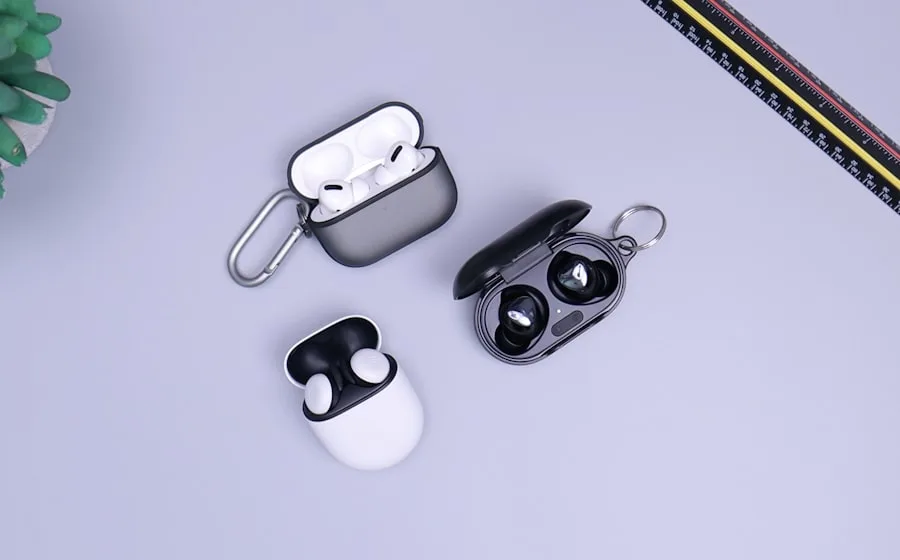
Browse chargers and phones to complete an everyday carry kit.