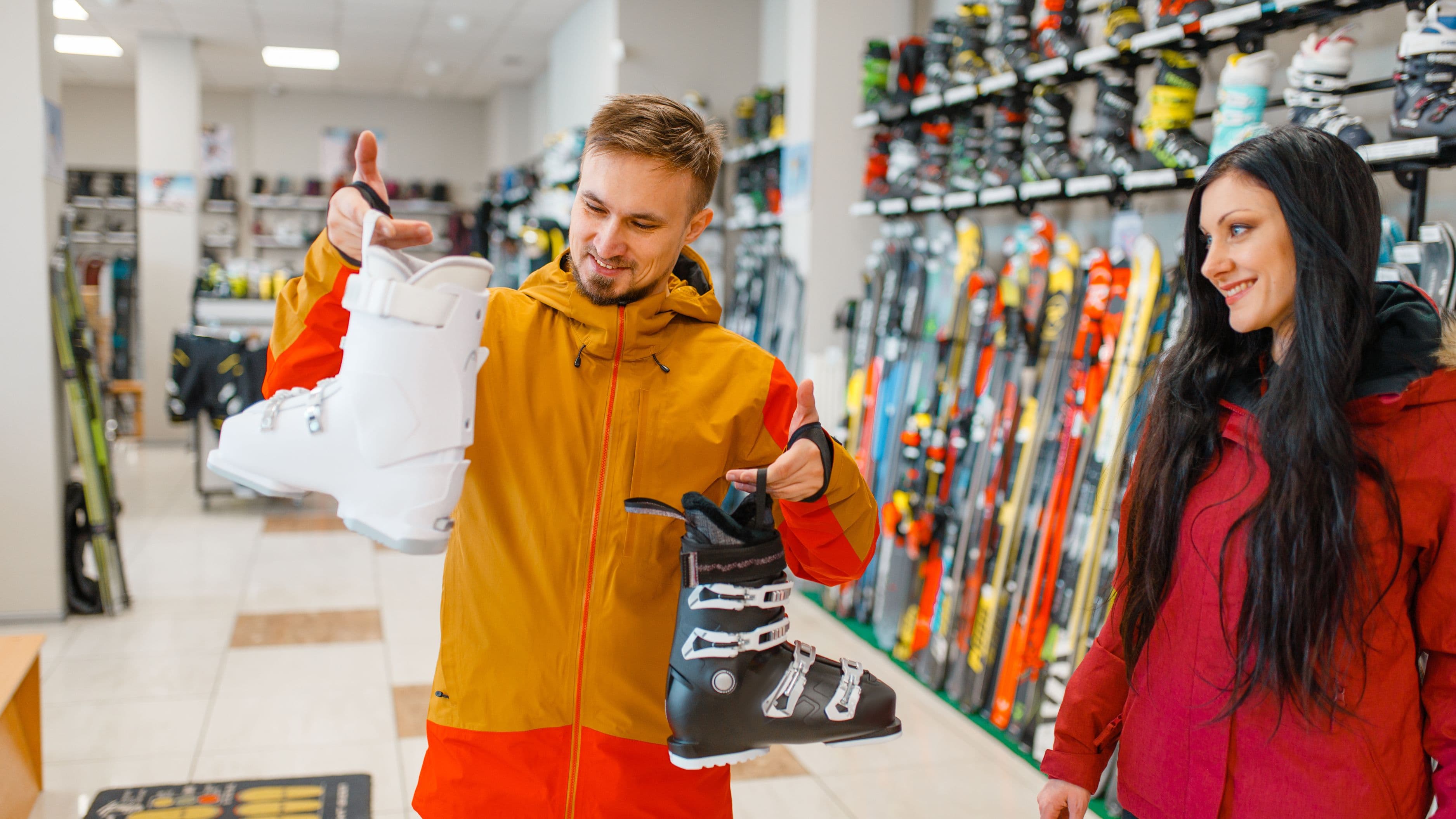
We've spent weeks comparing inventory depth, pricing strategies, customer service, and real shopper experiences across dozens of retailers. From big-box outdoor specialists to niche sports equipment stores, we've identified the retailers that consistently deliver value, selection, and reliability. Here's what we found.
Top 10 Sports & Outdoor Retailers at a Glance
Sportsman's Warehouse – Best for hunting, fishing, and camping enthusiasts
REI Co-op – Best for outdoor gear with membership benefits
Dick's Sporting Goods – Best for mainstream sports equipment and apparel
Backcountry – Best for premium outdoor and ski gear
Christy Sports – Best for winter sports rentals and equipment
Cabela's/Bass Pro Shops – Best for fishing and outdoor lifestyle shopping
Mizuno – Best for specialized running and athletic footwear
Moosejaw – Best for outdoor gear with personality and rewards
Academy Sports + Outdoors – Best for budget-friendly family sports gear
Eastern Mountain Sports (EMS) – Best for Northeast outdoor adventurers
1. Sportsman's Warehouse – Best for Hunting, Fishing, and Camping Enthusiasts
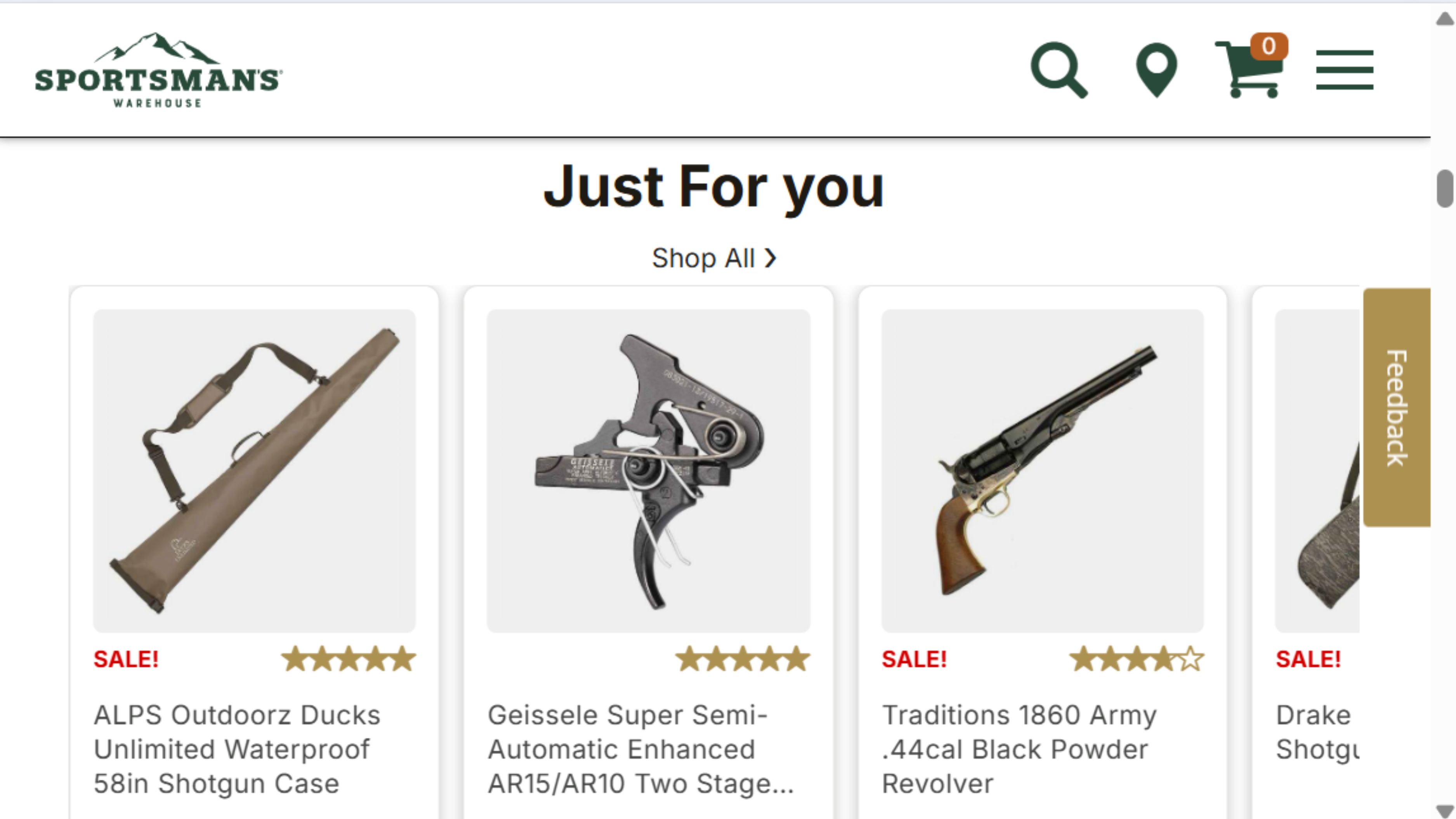
Sportsman's Warehouse has built a devoted following among serious outdoorspeople who need specialized gear for hunting, fishing, and backcountry camping. With over 120 stores across the western and southern United States, they've positioned themselves as the go-to destination for technical outdoor equipment that casual retailers often overlook.
What sets Sportsman's Warehouse apart is their depth of inventory in specific categories. Need waders for fly fishing? They'll have a dozen options. Looking for trail cameras or game processing equipment? They stock brands and accessories that general sporting goods stores don't carry. Their staff tends to include actual hunters and anglers who can speak from experience, not just read product tags.
Pricing sits in the mid-range—not the cheapest option, but competitive when you consider the specialized nature of their inventory. They run frequent sales on ammunition, optics, and seasonal gear. Their online selection mirrors in-store availability pretty accurately, which isn't always the case with outdoor retailers.
Pros:
Deep selection of hunting, fishing, and camping gear
Knowledgeable staff with real outdoor experience
Strong firearms and ammunition department
Regular sales and promotional events
Good regional coverage in western states
Cons:
Limited selection for team sports or casual recreation
Fewer stores in eastern and northeastern states
Website user experience could be more modern
Not ideal for fashion-forward athletic apparel
2. REI Co-op – Best for Outdoor Gear with Membership Benefits
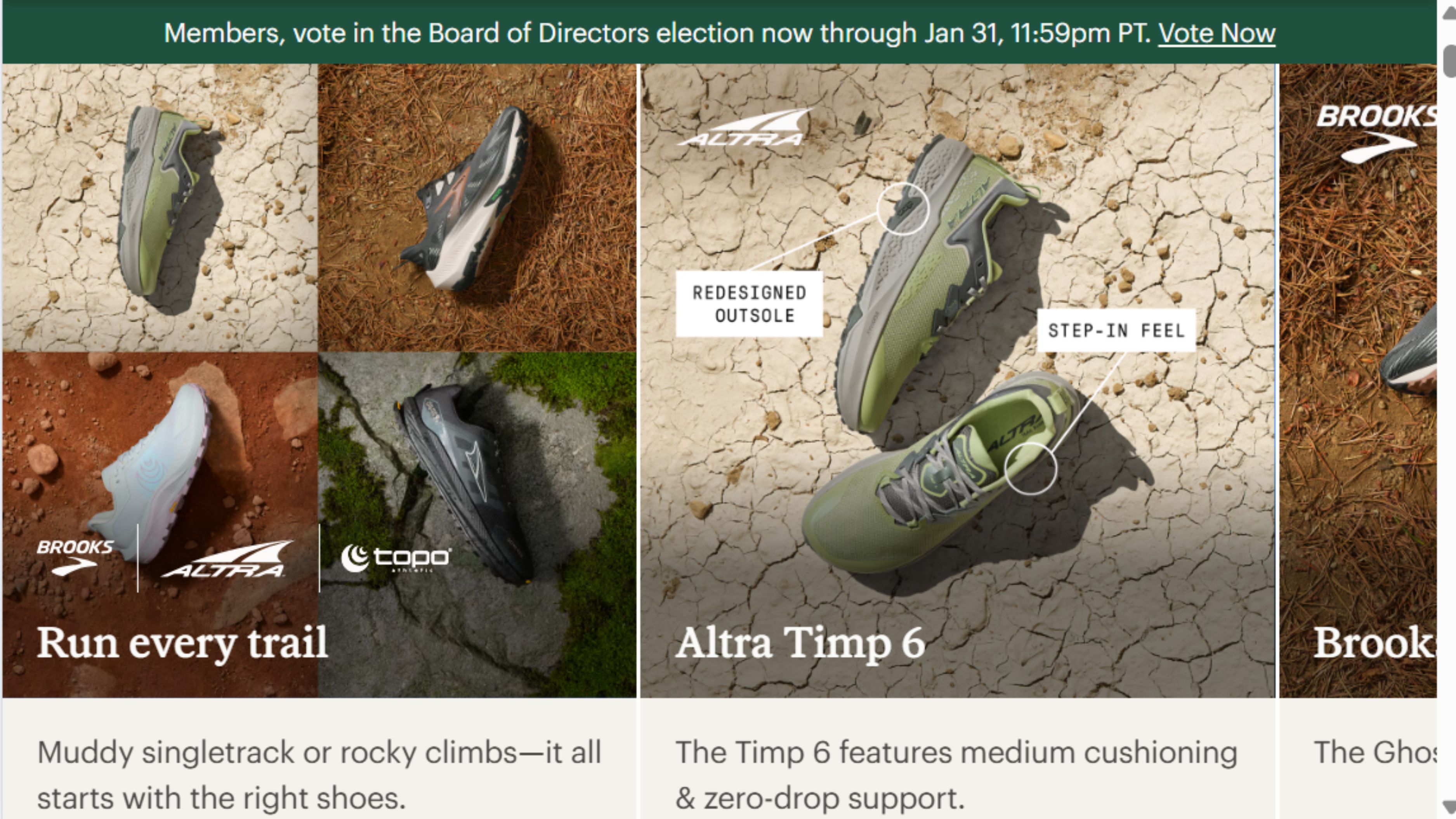
REI operates as a consumer cooperative, meaning customers can buy a lifetime membership for $30 and receive annual dividends based on their purchases—typically around 10% back. This unique business model has created one of the most loyal customer bases in retail, and for good reason: REI consistently delivers quality gear with excellent return policies and expert staff.
The retailer excels in categories like backpacking, climbing, cycling, and paddling. Their house-brand Co-op products offer exceptional value, often matching the performance of premium brands at 30-40% lower prices. REI's used gear program and generous one-year return policy (even on used gear) make them particularly appealing for people experimenting with new activities.
Prices tend toward the premium end, though member dividends and frequent sales soften the blow. Their trade-in program and extensive online resources—including expert advice articles and product comparison tools—add value beyond just the transaction.
Pros:
Lifetime membership with 10% annual dividend
Exceptional return policy and customer service
High-quality house-brand products at competitive prices
Expert staff and educational workshops
Strong commitment to sustainability and outdoor access
Cons:
Higher baseline prices compared to discount retailers
Limited selection of hunting and fishing gear
Membership fee required for full benefits
Can feel overwhelming for beginners
3. Dick's Sporting Goods – Best for Mainstream Sports Equipment and Apparel
As America's largest sporting goods retailer with over 850 stores, Dick's Sporting Goods offers something for virtually every sport and activity level. They've mastered the art of being the convenient, reliable option for mainstream sports—whether you need soccer cleats for your kid, golf clubs for yourself, or fitness equipment for your home gym.
Dick's strength lies in breadth rather than depth. You'll find good selections across team sports, fitness, golf, and athletic apparel, even if they don't stock the most obscure specialty items. Their house brands (DSG, Calia, Alpine Design) provide budget-friendly alternatives, while they also carry premium names like Nike, Under Armour, and Callaway.
The retailer has invested heavily in their online experience, with features like in-store pickup, curbside delivery, and virtual shopping assistance. Their ScoreCard rewards program offers points on purchases and exclusive access to sales events.
Pros:
Massive selection across all major sports categories
Convenient locations in most major metropolitan areas
Good house-brand alternatives at lower price points
Strong online shopping experience with fast fulfillment
Regular clearance sales and seasonal promotions
Cons:
Staff expertise varies significantly by location
Limited specialty outdoor gear (climbing, backpacking)
Can feel generic compared to specialized retailers
Pricing not always the most competitive
4. Backcountry – Best for Premium Outdoor and Ski Gear
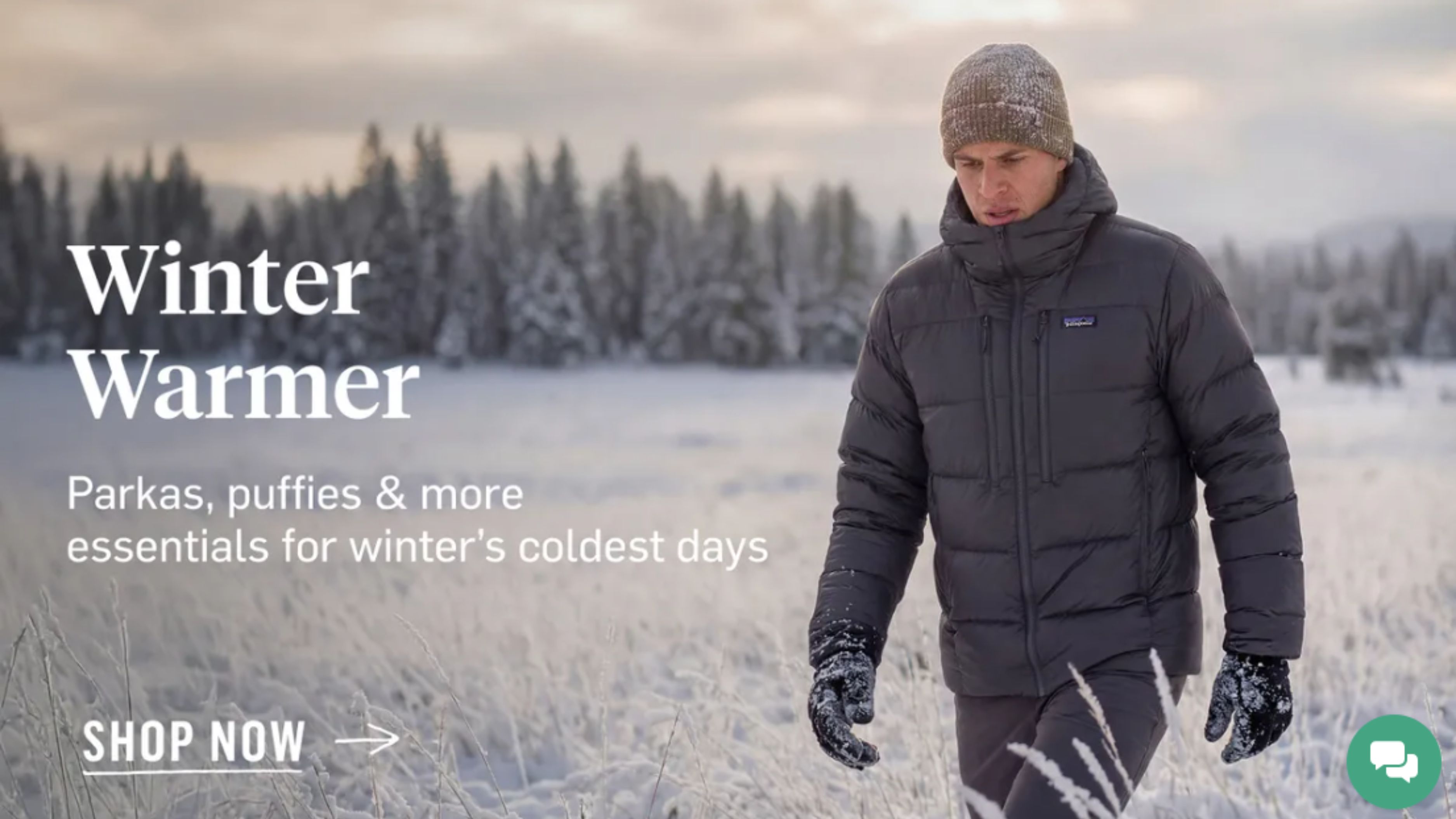
Backcountry has built its reputation as the destination for serious outdoor enthusiasts who want access to premium brands and expert advice. Originally focused on skiing and snowboarding, they've expanded to cover trail running, climbing, cycling, and camping with the same attention to quality and performance.
What makes Backcountry stand out is their "Gearhead" program—real outdoor athletes available via phone, email, or chat to provide personalized recommendations. These aren't scripted customer service reps; they're climbers, skiers, and mountain bikers who can discuss gear nuances and help you make informed decisions. The level of service feels more like consulting with a knowledgeable friend than shopping.
Pricing reflects the premium positioning, though they run significant sales throughout the year (up to 50% off). Their product descriptions are exceptionally detailed, often including staff reviews and real-world testing notes.
Pros:
Access to premium outdoor brands and latest gear
Expert "Gearhead" advisors with real outdoor experience
Detailed product information and staff testing notes
Generous return policy (60 days)
Frequent sales on high-end equipment
Cons:
Higher price points than budget retailers
Limited brick-and-mortar presence (primarily online)
Can be overwhelming for casual outdoor users
Shipping costs add up on smaller orders
5. Christy Sports – Best for Winter Sports Rentals and Equipment
For over 60 years, Christy Sports has been the go-to destination for skiers and snowboarders in Colorado and surrounding mountain states. While they sell new equipment, their real strength lies in their rental program and ski tuning services—perfect for families who ski occasionally or travelers who don't want to haul gear across the country.
Christy Sports operates over 50 locations, many within walking distance of major ski resorts. This convenience factor alone makes them valuable during winter months. Their demo programs let you test premium skis before buying, and their rental-to-own options help spread costs for those transitioning from rentals to ownership.
Beyond winter sports, they've expanded into summer activities like biking and paddleboarding, though winter remains their core competency. Their staff tends to be passionate skiers who can match equipment to your skill level and local mountain conditions.
Pros:
Excellent ski and snowboard rental programs
Convenient locations near major ski resorts
Demo programs to test equipment before buying
Expert boot fitting and equipment tuning services
Rental-to-own purchase options
Cons:
Primarily focused on winter sports
Limited geographic reach (mainly Rocky Mountain region)
Higher prices on equipment purchases compared to online retailers
Seasonal business means reduced selection in summer months
6. Cabela's/Bass Pro Shops – Best for Fishing and Outdoor Lifestyle Shopping
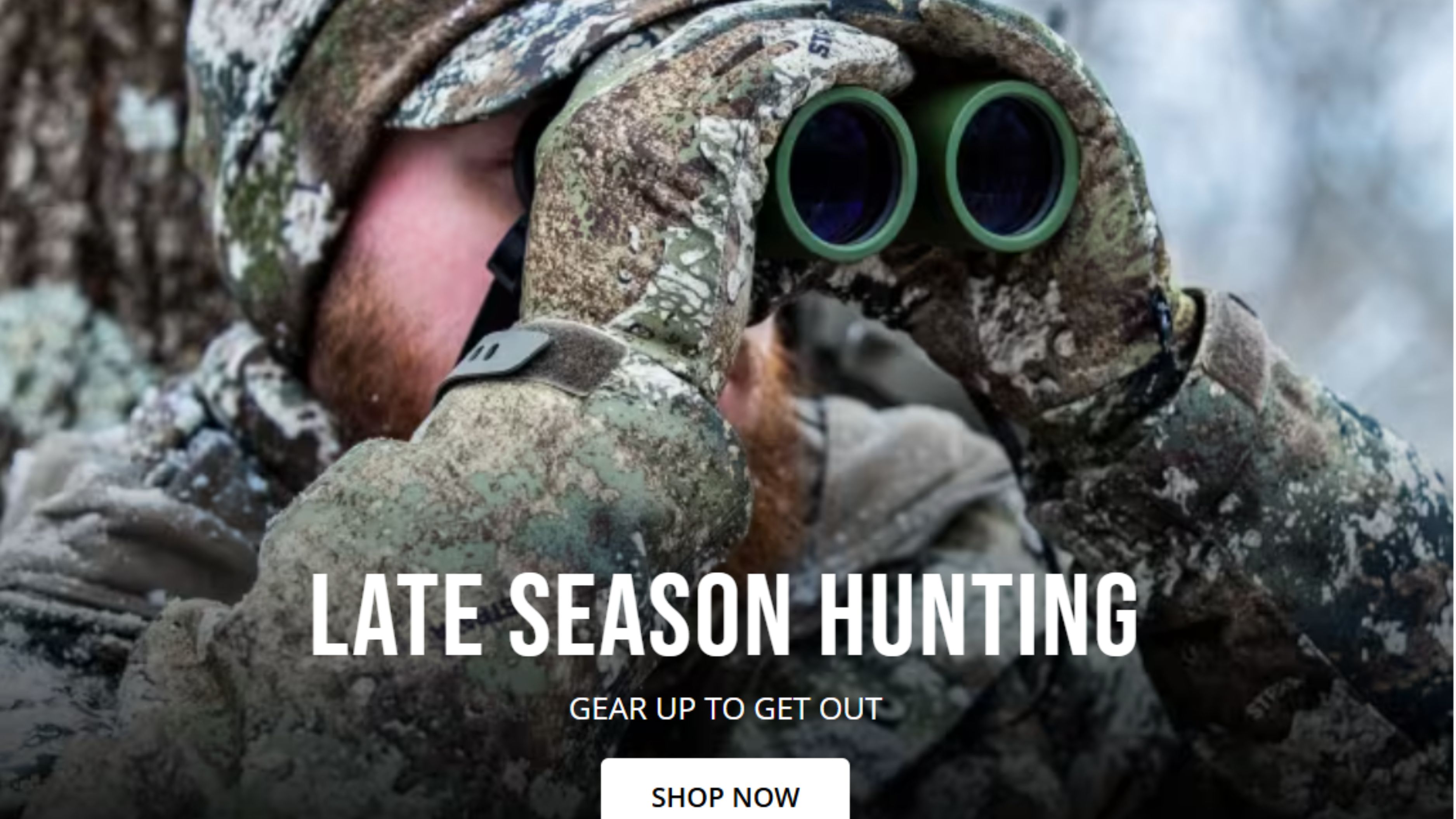
Since Bass Pro Shops acquired Cabela's in 2017, these sister brands have created the most immersive outdoor retail experience in America. Walking into one of their massive destination stores feels less like shopping and more like visiting an outdoor museum, complete with aquariums, taxidermy, and interactive displays.
The fishing departments alone dwarf most specialty tackle shops, with everything from ultralight trout gear to offshore big-game equipment. Their hunting sections rival Sportsman's Warehouse in depth, and they've maintained strong boating and camping departments. The retail experience is designed to inspire—you might come in for fishing line and leave dreaming about your next outdoor adventure.
Pricing is competitive, particularly on their house brands (RedHead, White River, Ascend). They run aggressive sales during key seasons and offer a CLUB membership program with points, special financing, and exclusive access to events.
Pros:
Unmatched selection in fishing and hunting categories
Destination retail experience that's entertaining for families
Strong house brands offering good value
Knowledgeable department specialists
Trade-in programs for used firearms and boats
Cons:
Can be overwhelming due to store size
Not ideal for mainstream team sports
Limited locations compared to national chains
Website navigation can be clunky
7. Mizuno – Best for Specialized Running and Athletic Footwear
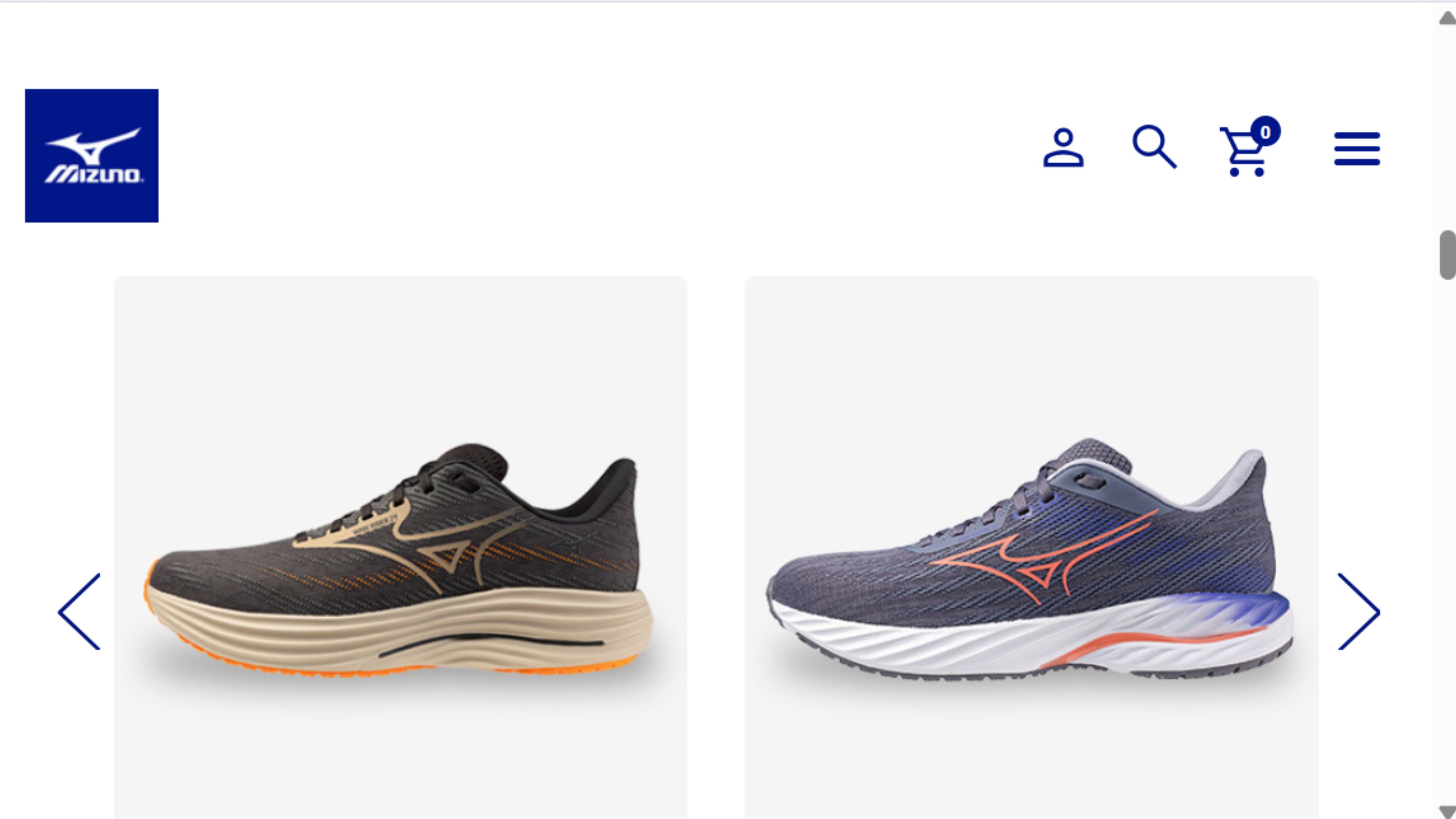
Unlike the multi-category retailers on this list, Mizuno focuses specifically on performance athletic equipment, with particular expertise in running shoes, volleyball gear, and baseball equipment. For runners, Mizuno has developed a cult following thanks to their Wave technology and commitment to biomechanics research.
What sets Mizuno apart is their specialization. They're not trying to outfit every sport—they're perfecting the categories where they compete. Their running shoes consistently rank among the most durable on the market, often lasting 500+ miles when competitors wear out at 300-400 miles. Volleyball players swear by their knee pads and shoes, while baseball players appreciate their glove craftsmanship.
You'll find Mizuno products at major retailers, but shopping directly through their website or specialty running stores often provides access to their full range and expert fitting services. Prices sit in the mid-to-premium range ($100-180 for running shoes), reflecting their performance-focused positioning.
Pros:
Exceptional durability in running shoes
Strong reputation among serious athletes
Specialized expertise in running, volleyball, and baseball
Wave technology provides unique cushioning and stability
Good selection for wider feet and specific gait patterns
Cons:
More limited selection compared to mega-brands like Nike
Not a one-stop shop for all sports needs
Higher price points than budget athletic brands
Less fashion-forward styling than some competitors
8. Moosejaw – Best for Outdoor Gear with Personality and Rewards
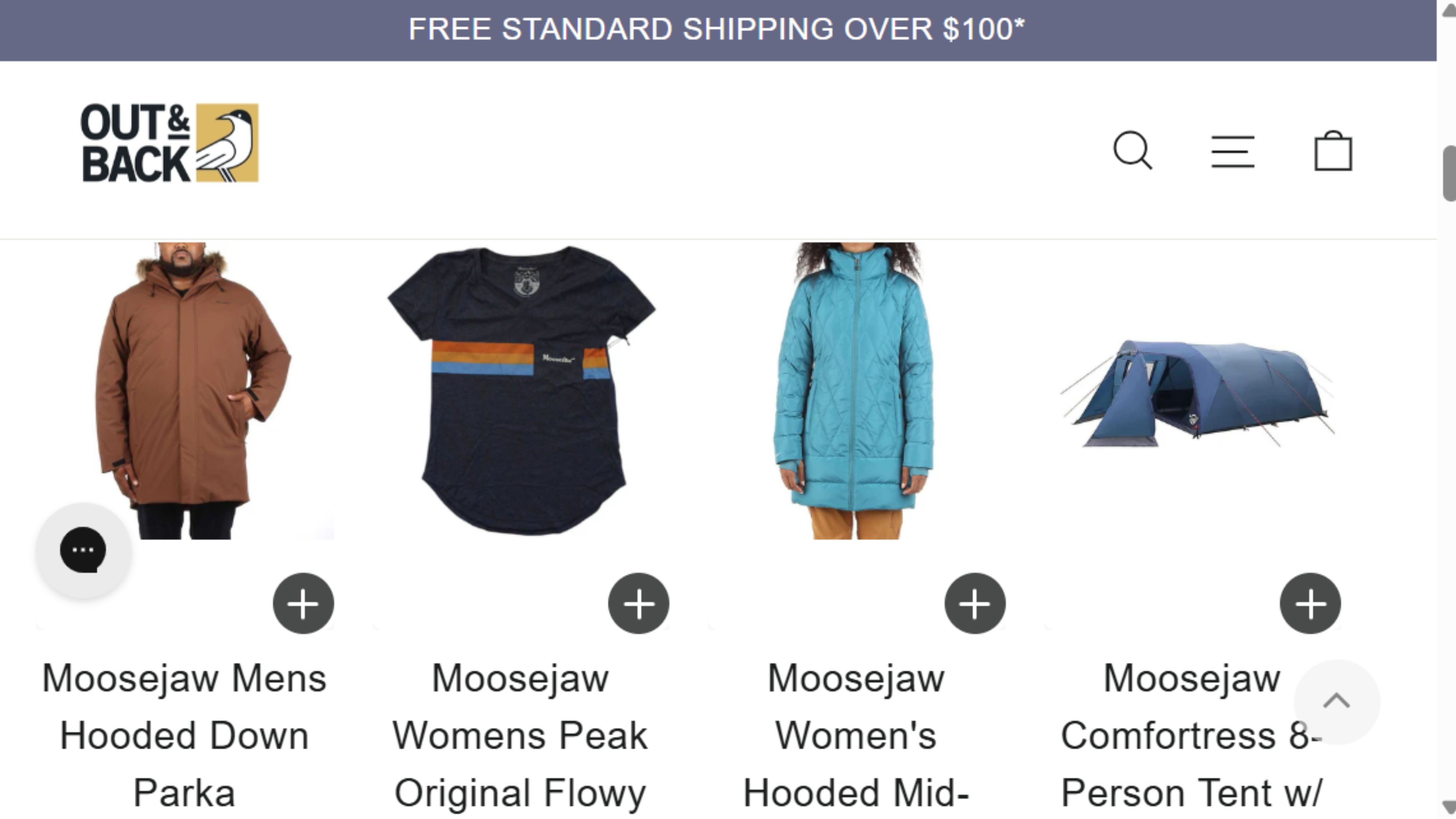
Moosejaw brings a refreshingly irreverent attitude to outdoor retail, combining quality gear with humor and one of the industry's best rewards programs. Their "Moosejaw Madness" loyalty program offers 10% back on every purchase, essentially matching REI's dividend without requiring a membership fee.
The Michigan-based retailer carries similar brands to REI and Backcountry but packages them with quirky product descriptions and a less serious tone. This approach resonates particularly well with younger outdoor enthusiasts who might find traditional outdoor retailers a bit stuffy. Don't let the humor fool you, though—their gear selection is serious, covering backpacking, climbing, camping, and skiing comprehensively.
Moosejaw runs frequent "surprise" sales where discounts appear without advance notice, and their price-matching policy is straightforward. Being owned by Walmart since 2017 has helped their distribution and pricing power without diminishing their unique brand voice.
Pros:
Outstanding 10% rewards program with no membership fee
Entertaining shopping experience with humorous product descriptions
Solid selection of premium outdoor brands
Good price matching and frequent sales
Fast shipping and responsive customer service
Cons:
Smaller brick-and-mortar footprint (about a dozen stores)
Limited selection in hunting and fishing
Humorous tone might not appeal to everyone
Not as comprehensive as larger outdoor retailers
9. Academy Sports + Outdoors – Best for Budget-Friendly Family Sports Gear
Academy Sports + Outdoors has built a strong regional presence across the southern United States by focusing on value and convenience. They're the retailer you visit when your daughter needs soccer cleats, your son needs baseball pants, and you need fishing tackle—all without spending a fortune.
The store layout emphasizes efficiency, making it easy to find what you need quickly. Their house brand (BCG - "Be Competitive in the Game") provides remarkably good quality at budget prices, often 30-50% cheaper than name brands. While they won't have the most cutting-edge technical gear, they excel at equipping families for recreational sports and outdoor activities.
Academy's hunting and fishing departments punch above their weight class, offering selection comparable to specialty retailers. Their ammunition prices are particularly competitive, and their firearms counter typically has shorter wait times than larger competitors.
Pros:
Very competitive pricing across all categories
Good house brand alternatives (BCG)
Strong selection for team sports and youth athletics
Convenient one-stop shopping for active families
Excellent value in hunting and fishing departments
Cons:
Limited selection of premium or technical outdoor gear
Regional presence primarily in southern states
Staff expertise varies by location
Website experience lags behind larger competitors
10. Eastern Mountain Sports (EMS) – Best for Northeast Outdoor Adventurers
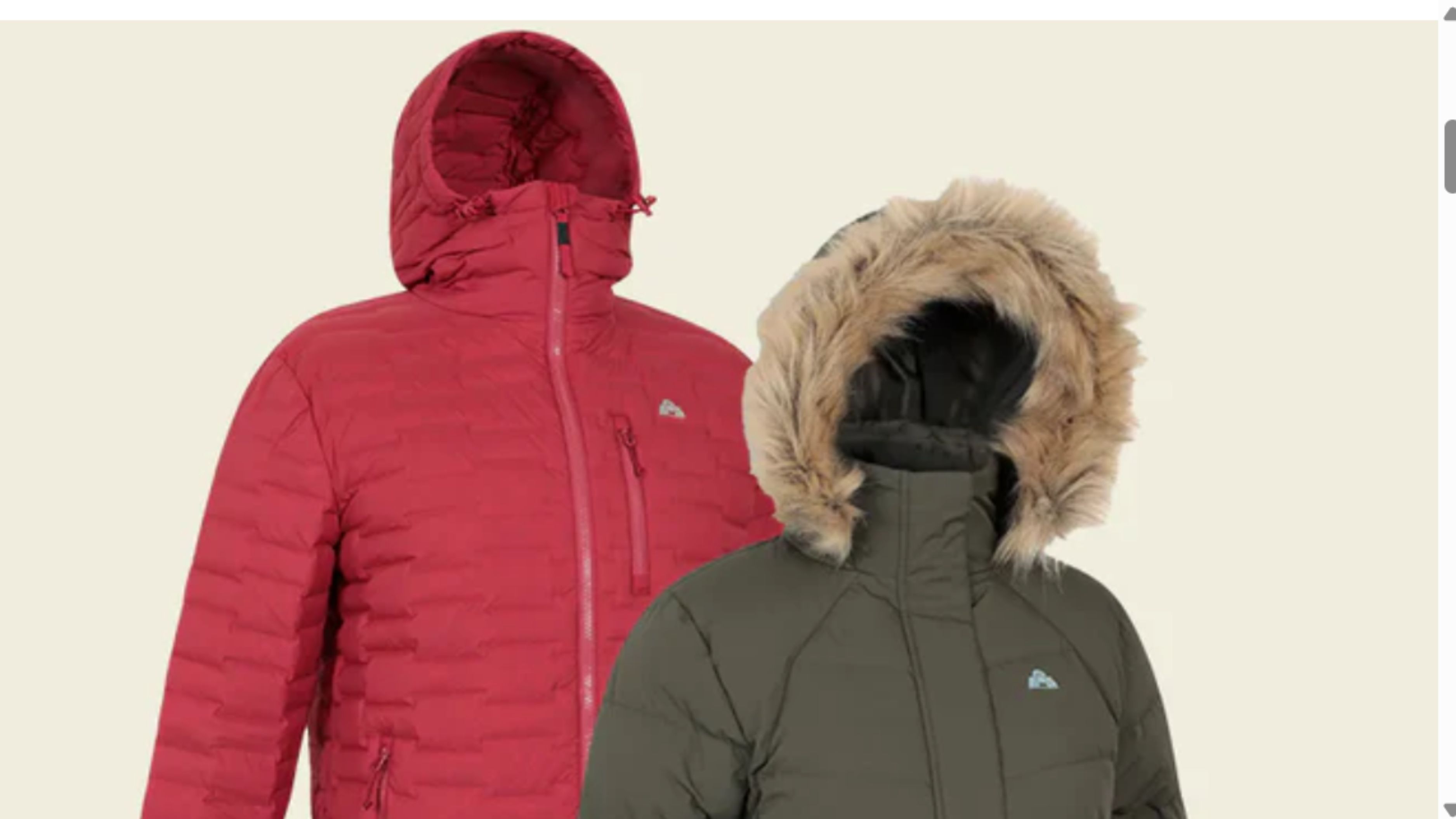
EMS has been serving the northeastern outdoor community since 1967, with particular expertise in the conditions and activities popular in the Appalachians and New England. They understand layering for unpredictable mountain weather, muddy trail conditions, and the specific gear needed for White Mountains hiking or Adirondack camping.
The retailer operates about 50 stores concentrated in the Northeast, creating a regional community feel that resonates with local outdoor enthusiasts. Their rental program is particularly strong, allowing customers to test expensive gear like camping equipment, snowshoes, and climbing hardware before committing to purchases.
After emerging from bankruptcy in 2017, EMS has focused on their core strengths: technical outdoor gear, regional expertise, and community connection. Their "Outdoor School" programs offer clinics and guided trips, helping customers develop skills alongside gear purchases.
Pros:
Deep regional expertise for Northeast outdoor conditions
Good gear rental program for expensive equipment
Strong community programming and outdoor education
Competitive pricing on technical outdoor gear
Knowledgeable staff familiar with local trails and conditions
Cons:
Limited geographic reach outside the Northeast
Smaller selection compared to national chains
Online presence isn't as robust as larger competitors
Recovery from bankruptcy means evolving inventory
Understanding Sports & Outdoor Retailers
What Makes a Great Sports & Outdoor Retailer?
Sports and outdoor retailers serve as intermediaries between manufacturers and consumers, but the best ones provide much more than just transaction facilitation. They curate product selections based on real-world performance, employ staff with actual experience using the gear, and create shopping environments that help customers make informed decisions.
The industry has evolved significantly over the past decade. Traditional big-box retailers now compete with specialized online stores, direct-to-consumer brands, and category-specific specialists. The retailers that thrive offer something beyond just product access—whether that's expert advice, comprehensive service departments, unique brand access, or community programming.
Benefits of Shopping with Established Retailers
Buying from reputable sports and outdoor retailers offers several advantages over random online shopping or direct-from-manufacturer purchases. First, you gain access to curated selections where someone has already filtered out low-quality options. Rather than sorting through hundreds of tent options, you're choosing among 20-30 models that meet certain quality standards.
Return policies represent another significant benefit. Retailers like REI, Backcountry, and Moosejaw offer generous return windows, often allowing you to actually use gear before deciding if it works for you. This is particularly valuable for footwear, sleeping bags, and technical apparel where fit and comfort matter tremendously.
Established retailers also provide post-purchase support that direct purchases often lack. Need your skis tuned? Bike serviced? Advice on using your new GPS? Physical retail locations offer services and expertise that extend the value beyond the initial transaction.
Finally, shopping with established retailers often provides better warranty support. When issues arise with gear, retailers can often facilitate replacements or repairs more efficiently than consumers dealing directly with manufacturers.
What to Look for When Choosing a Retailer
Selection Depth in Your Categories: If you're primarily a runner, a retailer with 50 running shoe options serves you better than one with 200 products spread across 20 sports. Identify retailers that specialize in your activities.
Staff Expertise: Pay attention to whether store employees can discuss gear from experience or are simply reading specifications. Retailers that hire outdoor enthusiasts and athletes provide meaningfully better service.
Return and Exchange Policies: Understand the timeframe for returns, whether you can return used items, and if there are restocking fees. Generous policies indicate confidence in product quality and commitment to customer satisfaction.
Price Matching and Sales Frequency: Some retailers match competitor prices, while others rely on frequent sales. Understanding a retailer's pricing strategy helps you time purchases for maximum value.
Service Offerings: For certain categories—particularly skiing, cycling, and technical footwear—having access to fitting services, equipment tuning, and repair work adds significant value.
Rewards Programs: Loyalty programs like REI's dividend or Moosejaw's rewards can offset higher baseline prices. Calculate the effective discount based on your anticipated spending.
Online vs. In-Store Experience: Consider whether you prefer hands-on shopping or online convenience. Some retailers excel at one channel but not the other.
Frequently Asked Questions
Is it better to buy sports equipment online or in-store?
It depends on the product category and your experience level. For equipment where fit is critical—running shoes, ski boots, backpacks, bike frames—in-store shopping provides enormous advantages. You can try multiple options, get expert fitting assistance, and walk out with properly adjusted gear. For items where sizing is straightforward or you're replacing something you already know works, online shopping offers better selection and often lower prices. Many shoppers now use a hybrid approach: research and sometimes try on items in-store, then purchase online when they find better deals.
Do sports retailers price match?
Many major retailers offer price matching, but policies vary significantly. Dick's Sporting Goods and REI will generally match prices from major competitors on identical items. Specialty retailers like Backcountry may price match but often exclude closeout or clearance items. The key is identical items—same model, color, and size. Most retailers won't price match marketplace sellers (like Amazon third-party vendors) or retailers outside their competitive set. Always ask about price matching before purchasing, and have the competitor's current price ready to show.
Are retailer house brands worth buying?
House brands have become increasingly sophisticated, with many offering exceptional value. REI Co-op products consistently rank well in independent testing, often matching performance of brands costing 30-40% more. Dick's DSG line works well for recreational athletes and casual use. Academy's BCG brand provides solid basics at budget prices. The key is understanding where house brands excel (basic functionality, proven designs) and where name brands maintain advantages (cutting-edge technology, specialized features). For your first backpacking tent, a house brand makes sense. For ultralight mountaineering gear, premium brands often justify their cost.
How often do sports retailers have major sales?
Most retailers follow predictable sale patterns tied to seasons and holidays. Expect significant ski gear discounts in March-April as the season ends, cycling gear sales in September-October, and camping equipment markdowns in late summer. Black Friday and the week after Christmas typically bring strong deals across categories. End-of-season clearance sales offer 30-50% discounts but limited sizes and selection. Many retailers also offer "web exclusives" or email subscriber sales throughout the year. Sign up for email lists from your preferred retailers to catch these promotions.