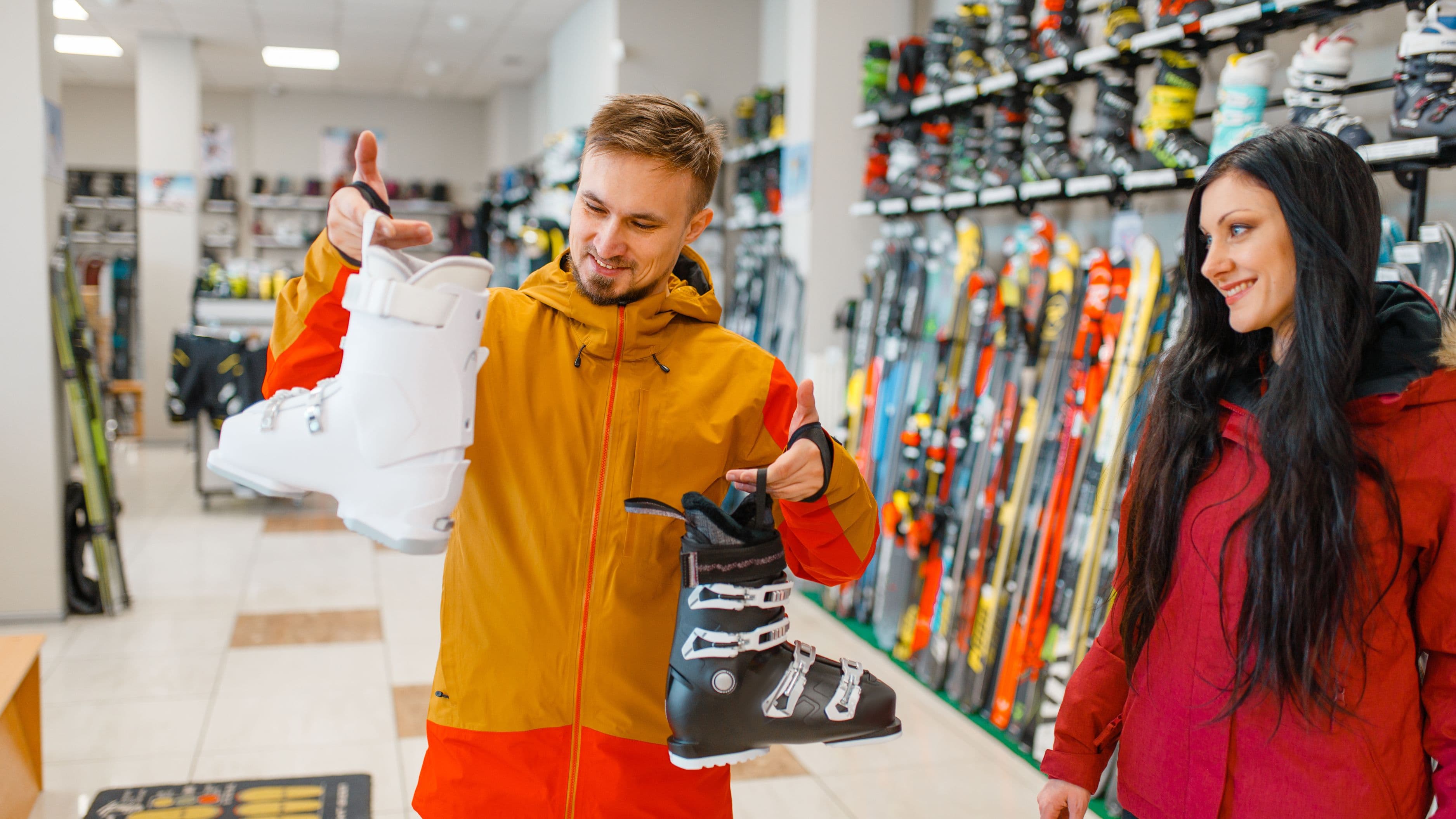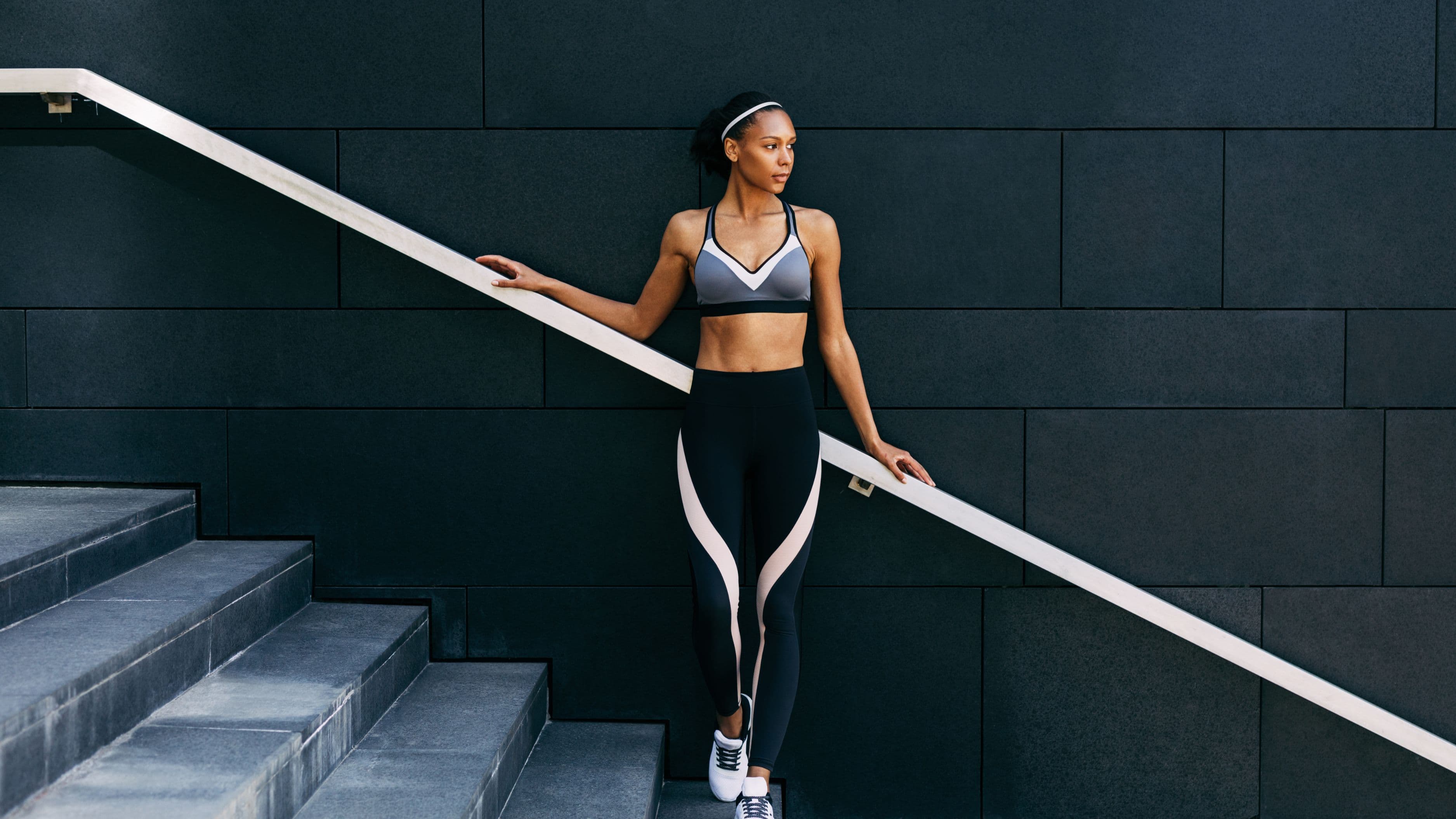
But with that explosive growth has come an overwhelming number of brands competing for your attention and your wallet. Not all of them deliver on their promises of performance, comfort, and style — and at the price points many athleisure brands command, buying the wrong one is a genuinely costly mistake. We researched and evaluated dozens of athleisure brands across every performance tier, price point, and style philosophy to identify the ten that are genuinely worth your investment right now. Here's the definitive guide.
Top 10 Best Athleisure Brands
Lululemon – Best for premium performance fabric and the gold standard of athleisure
Alo Yoga – Best for studio-to-street style and influencer-driven fashion credibility
Nike – Best for performance-first athleisure backed by world-class sport science
Adidas – Best for iconic sportswear heritage with strong fashion collaboration culture
Gymshark – Best for fitted, body-conscious performance wear and gym culture community
Athleta – Best for women's size-inclusive athleisure with sustainability focus
Vuori – Best for laid-back California lifestyle aesthetics with genuine performance
Beyond Yoga – Best for ultra-soft, inclusive comfort-focused activewear
Sweaty Betty – Best for European-influenced premium women's activewear
Rhone – Best for premium men's performance and lifestyle athleisure
Methodology
To identify the ten athleisure brands genuinely worth recommending, we evaluated each across six criteria that matter most to real consumers making purchasing decisions in this category.
Fabric technology and performance was weighted most heavily — we assessed each brand's proprietary materials, moisture-wicking capability, four-way stretch, compression quality, and how garments actually perform during physical activity. Style and versatility evaluated how successfully each brand crosses the line between workout wear and everyday life — the core promise of true athleisure. Size inclusivity was assessed given its critical importance to a category that markets itself to all body types. Sustainability and ethical manufacturing was considered since it increasingly differentiates brands in a crowded market. Price-to-value ratio examined what each brand delivers relative to its cost across its core product range. Finally, community and brand identity was evaluated because in athleisure more than almost any other category, the lifestyle and community a brand represents is inseparable from the product itself.
Detailed Brand Reviews
1. Lululemon — Best for Premium Performance Fabric and the Gold Standard of Athleisure
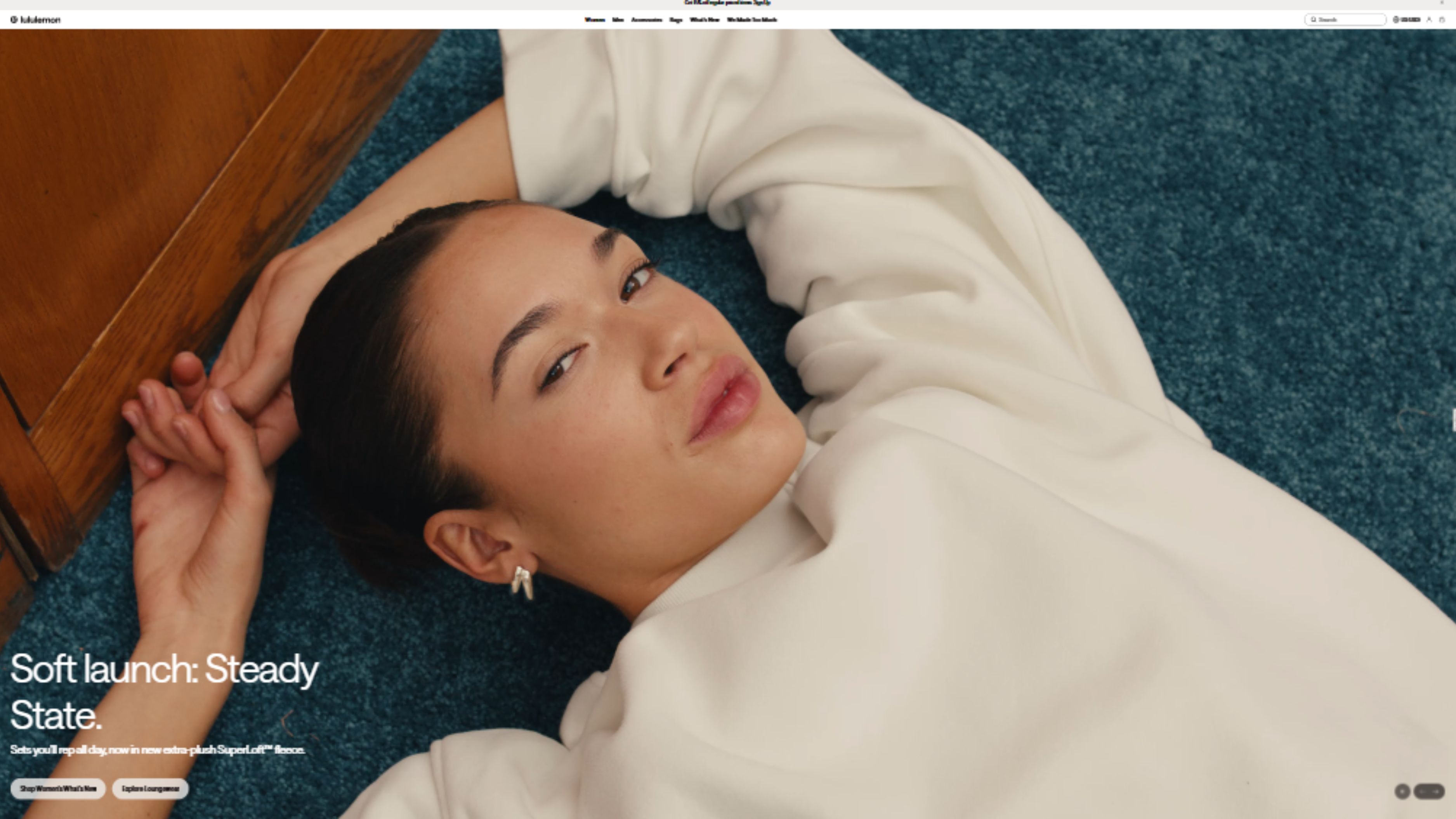
Best for: Yoga practitioners, runners, gym-goers, and anyone who wants the best-feeling activewear available Pricing from: ~$38 for accessories / ~$68 for tops / ~$98–$148 for leggings and tights / ~$128–$198 for jackets and hoodies
Lululemon didn't just participate in the athleisure revolution — it effectively created the modern version of it. Founded in Vancouver in 1998 as a yoga-focused apparel company, Lululemon spent the first decade of its existence quietly developing fabric technologies and design philosophies that competitors are still trying to replicate today. The brand's proprietary fabrics — most famously Luon, Nulu, Everlux, and Swift — are developed in-house with a focus on feel, performance, and durability that justifies their premium price point in a way that very few competitors manage to match consistently.
The Align legging, built from Nulu fabric, has become arguably the most iconic activewear product in modern retail history — a garment so widely loved and copied that it functions as the benchmark against which every other premium legging is measured. What makes it genuinely special isn't marketing mythology — the Nulu fabric delivers a buttery-soft, barely-there sensation against the skin that synthetic fabrics at lower price points simply don't replicate. Lululemon's ABC (Anti-Ball Crushing) pants for men have similarly dominated the premium men's athleisure space, earning devoted fans among professionals who want to look polished at work while maintaining the comfort of athletic wear.
Lululemon's Educators (their term for store associates) are trained to a level of product knowledge that makes the in-store experience genuinely useful — a rare thing in apparel retail. The brand's Like New resale program and product care guides reflect a growing commitment to extending product life, though sustainability critics note that the brand still has significant progress to make on its environmental impact relative to its premium positioning. Prices are unambiguously high, but the combination of fabric quality, design intelligence, and product durability means that Lululemon pieces tend to outlast cheaper alternatives significantly.
Pros:
Proprietary fabrics — especially Nulu and Luon — set the industry standard for feel
Exceptional design detail and functional construction throughout the range
Like New resale program adds end-of-life value and sustainability credibility
Highly knowledgeable in-store staff and excellent product education
Strong men's range alongside the dominant women's line
Cons:
Premium pricing is a genuine barrier for budget-conscious shoppers
Size range, while improving, still lags behind Athleta and Beyond Yoga
Quality control issues have occasionally surfaced on specific product runs
Brand has faced cultural criticism regarding its community exclusivity narrative
Hemming and alteration services vary significantly by location
2. Alo Yoga — Best for Studio-to-Street Style and Influencer-Driven Fashion Credibility
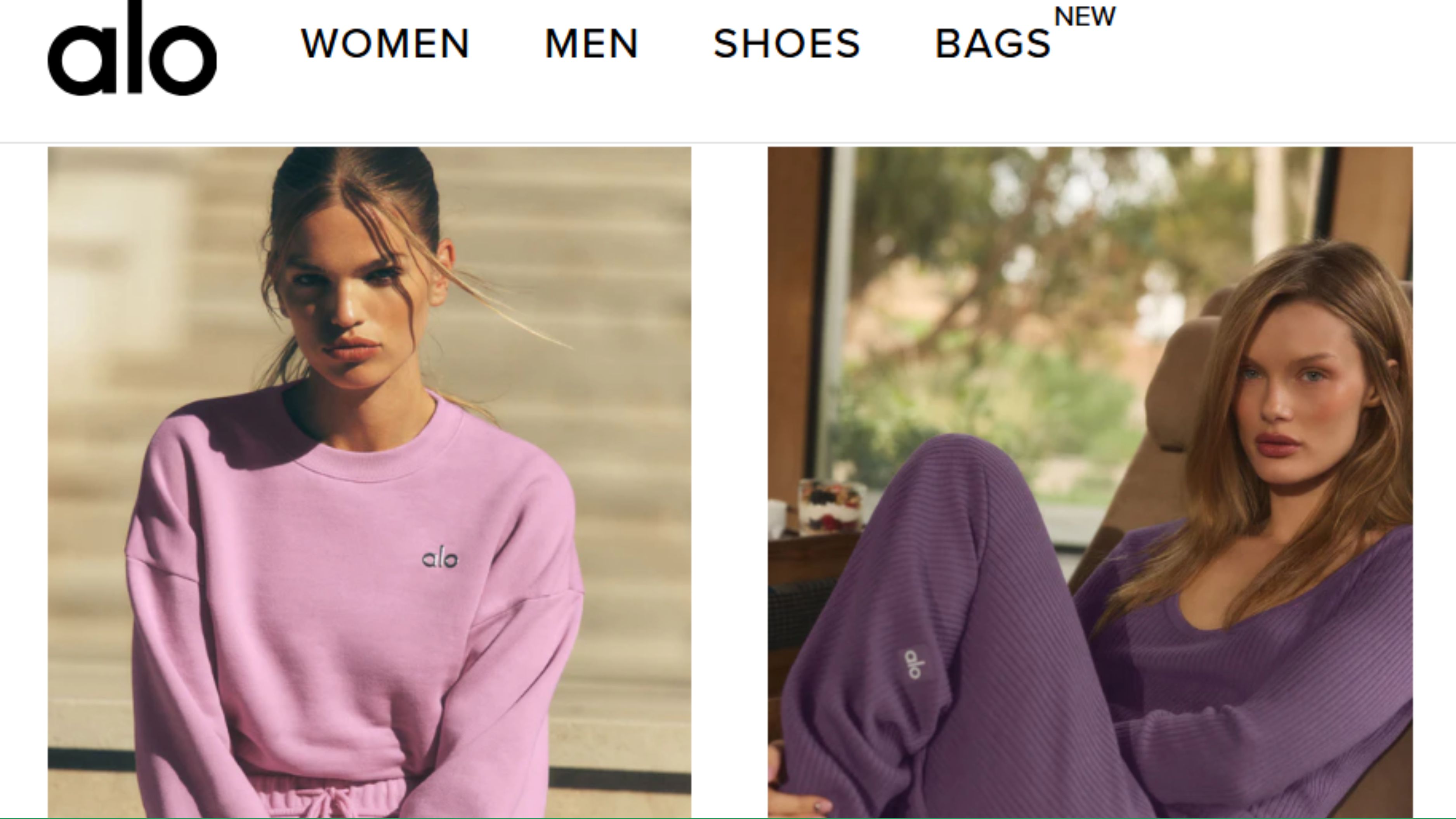
Best for: Fashion-forward yoga practitioners, wellness lifestyle enthusiasts, and style-conscious active shoppers Pricing from: ~$48 for tanks and sports bras / ~$88 for tops and hoodies / ~$118–$158 for leggings / ~$148–$268 for outerwear
Alo Yoga has executed one of the most impressive brand ascents in modern athleisure, transforming from a boutique yoga apparel brand into a full-scale luxury wellness lifestyle label that counts virtually every major celebrity and fitness influencer among its visible devotees. The brand's Hollywood-adjacent identity — it operates flagship studios and stores in Los Angeles and has cultivated an extraordinarily powerful social media presence — has given Alo a cultural cachet that elevates it beyond pure performance into genuine luxury lifestyle territory. Wearing Alo signals membership in a specific aspirational wellness culture, and for many of its customers, that signal is as valuable as the clothing itself.
The product quality genuinely supports the premium positioning. Alo's Airbrush fabric — used across much of its legging range — delivers excellent compression, a smooth surface finish that photographs exceptionally well, and reliable four-way stretch for both yoga and higher-intensity activities. The brand's Warrior compression series and 7/8 leggings have become wardrobe staples for serious yoga practitioners who want performance alongside aesthetics. Alo has also developed a strong outerwear and knitwear collection that extends the brand credibly into cold-weather lifestyle dressing, making it a genuine year-round athleisure destination rather than a warm-weather-only option.
Alo's recent expansion into footwear, accessories, beauty, and even a digital yoga platform (Alo Moves) reflects an ambitious strategy to own the wellness lifestyle holistically rather than just the clothing aspect of it. At the pricing tier Alo occupies — which rivals and occasionally exceeds Lululemon — the value proposition rests significantly on the brand's style and cultural relevance alongside its product quality. For shoppers who want both to work out and to look impeccably stylish doing it, Alo delivers that combination better than almost anyone.
Pros:
Exceptional style credibility and cultural relevance among wellness and fashion communities
Airbrush fabric delivers reliable compression with excellent aesthetic finish
Expanding year-round range including outerwear and knitwear
Alo Moves digital yoga platform adds genuine lifestyle value beyond clothing
Strong celebrity and influencer ecosystem creates authentic style inspiration
Cons:
Among the highest price points in athleisure — difficult to justify on performance alone
Size range is limited and has faced criticism for insufficient inclusivity
Cultural identity is heavily tied to a specific aspirational aesthetic that won't resonate with everyone
Sustainability commitments are less developed than the brand's premium pricing implies
Some products prioritize appearance over functional performance for high-intensity exercise
3. Nike — Best for Performance-First Athleisure Backed by World-Class Sport Science
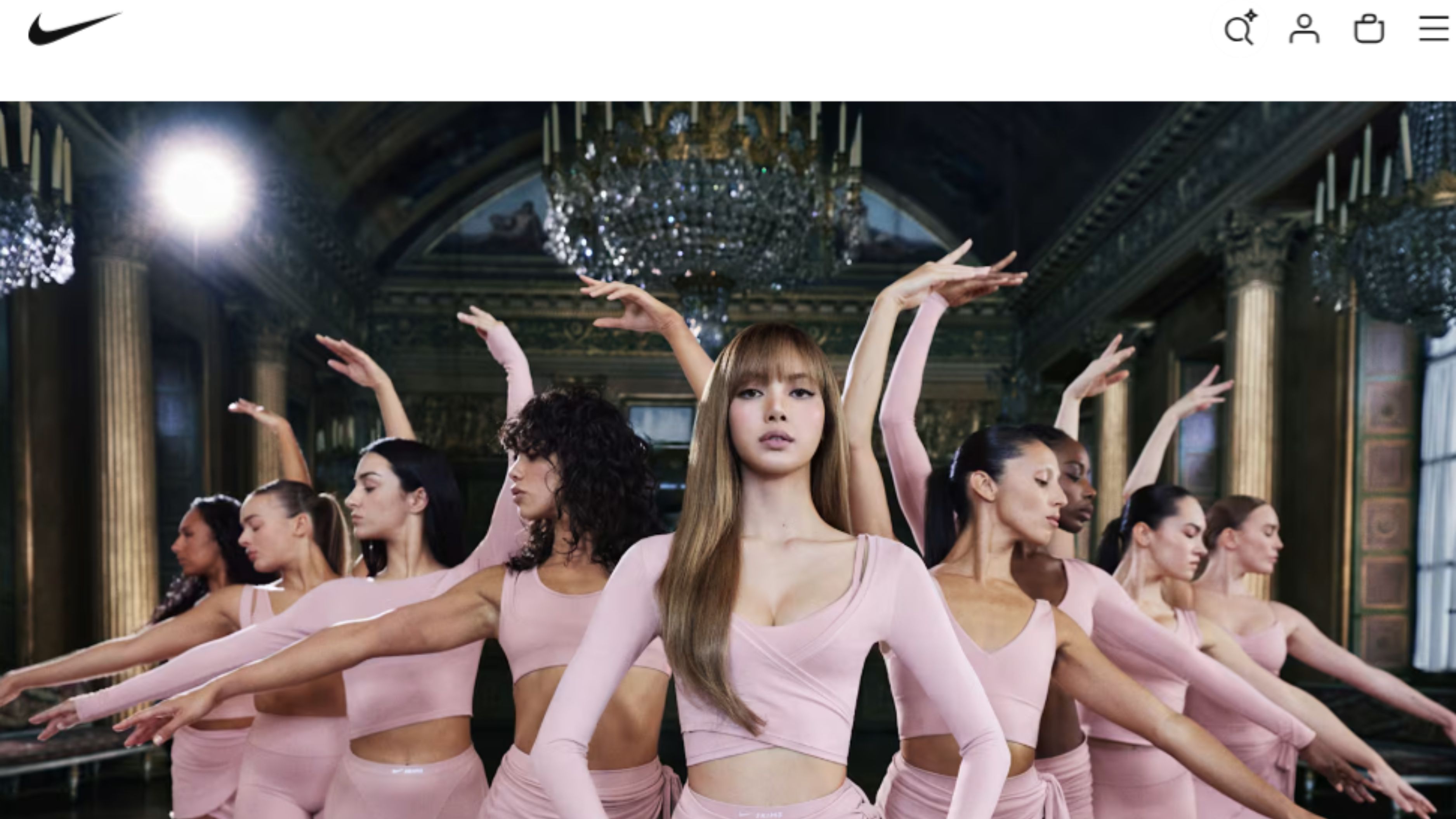
Best for: Athletes, runners, gym enthusiasts, and active consumers who want performance credibility in their everyday style Pricing from: ~$25 for basic tees / ~$45 for sports bras / ~$65–$110 for tights and leggings / ~$80–$180 for hoodies and jackets
Nike approaches athleisure from a fundamentally different angle than Lululemon or Alo — it starts with athletic performance and lets style flow outward from that foundation, rather than starting with aesthetics and adding performance features. This distinction matters enormously for a specific type of consumer: the serious athlete or active person who wants their everyday clothing to reflect genuine performance credibility rather than simply the appearance of it. Nike's deep investment in sport science, biomechanics research, and material innovation gives its athleisure products a performance foundation that fashion-first brands simply cannot match.
The Dri-FIT technology that underpins much of Nike's activewear range is a genuine performer — moisture-wicking, quick-drying, and durable across hundreds of washes in a way that cheaper moisture-management fabrics are not. At the premium end, Nike's Pro and Nike Tech Fleece collections deliver sophisticated construction and material quality that competes directly with Lululemon at lower price points. The Tech Fleece range in particular — built from a lightweight, double-layer cotton-poly fabric with a distinctive engineered appearance — has become one of the most culturally successful athleisure product lines of the past decade, appearing in streetwear contexts far removed from its athletic origins.
Nike's brand ecosystem gives it advantages no athleisure-first brand can replicate. Nike Members access exclusive colorways and styles, early drop notifications, and personalized recommendations built from genuine athlete data. The Nike By You customization platform allows shoppers to personalize color and material combinations on select apparel styles. And the breadth of Nike's product range — covering every sport, every activity level, and a massive spectrum of lifestyle and fashion styles — means it serves as a genuine one-brand wardrobe solution for performance-driven consumers.
Pros:
Dri-FIT and Pro technology deliver genuine performance across the range
Tech Fleece collection has achieved remarkable cultural and style credibility
Unmatched brand ecosystem including Nike Members and Nike By You customization
Broadest range of any brand on this list across sports, activities, and lifestyle
Strong resale value on limited and collaboration pieces
Cons:
Fashion-first shoppers may find Nike's aesthetic less refined than Lululemon or Alo
Entry-level products can feel less premium than the price suggests
Sustainability commitments, while improving, lag behind the brand's scale
Sizing consistency can vary across the enormous product range
The brand's ubiquity means less distinctive style identity than niche athleisure labels
4. Adidas — Best for Iconic Sportswear Heritage With Strong Fashion Collaboration Culture
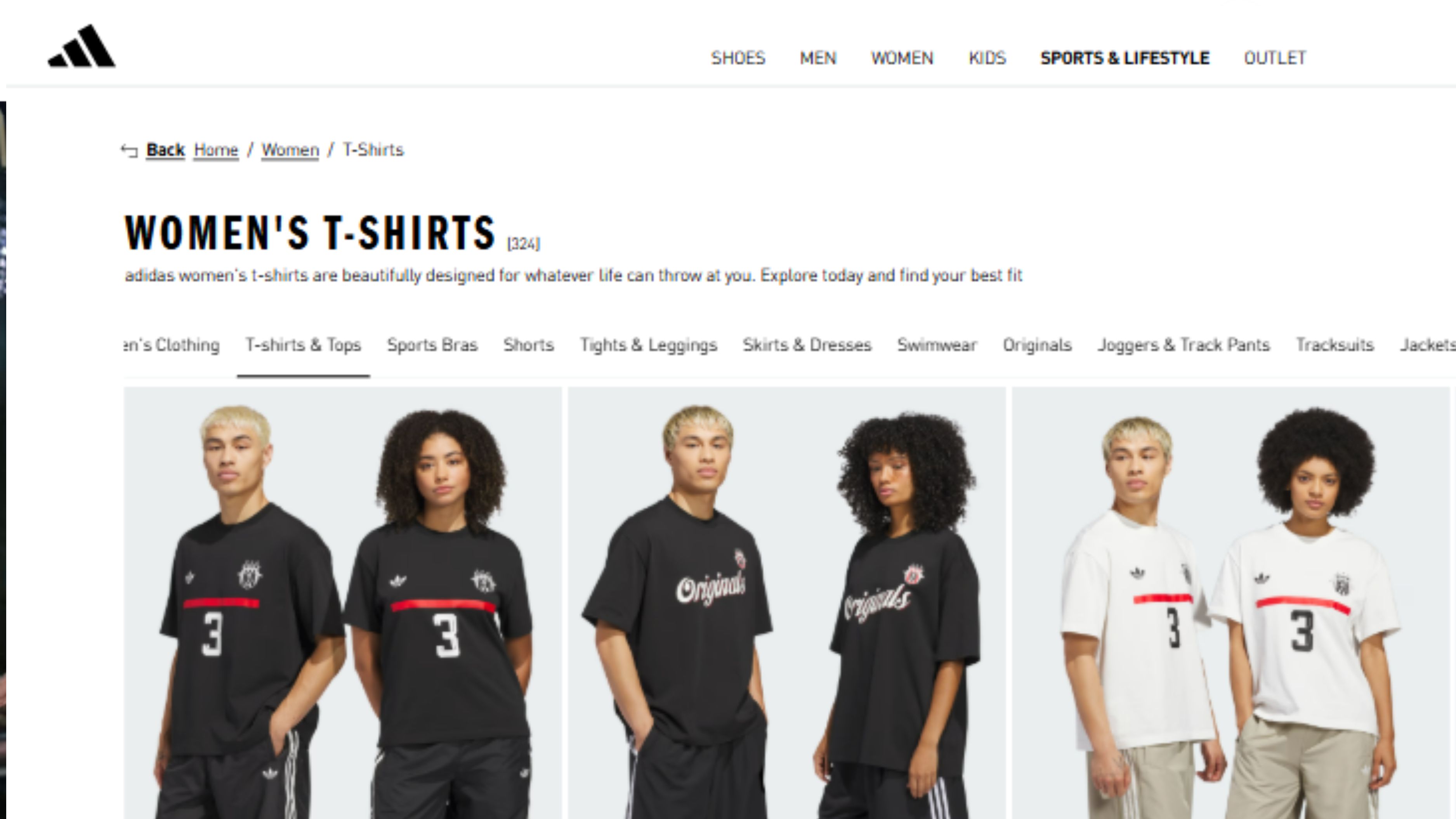
Best for: Style-conscious consumers who value fashion collaboration culture alongside sport performance Pricing from: ~$25 for basic tees / ~$40 for sports bras / ~$55–$100 for leggings and tights / ~$80–$200 for hoodies, track jackets, and outerwear
Adidas operates in athleisure with a distinct cultural identity that no competitor has successfully replicated — one built on decades of genuine sport heritage intersected with an extraordinary track record of high-profile fashion collaborations. Where Nike leads with performance authority and Lululemon leads with fabric innovation, Adidas leads with cultural storytelling. The three stripes carry meaning that goes beyond athletics into music, street culture, and high fashion simultaneously — a unique positioning that gives Adidas unmatched versatility as a lifestyle brand.
The Adidas x Stella McCartney collaboration has been producing genuinely premium women's performance and athleisure clothing for over two decades, and the brand's collaborations with Beyoncé's IVY PARK line and various high-fashion designers have produced pieces that function legitimately across both workout and fashion contexts. At the core performance level, Adidas's AEROREADY moisture management technology and TECHFIT compression range deliver solid functional performance. The Ultraboost franchise — while primarily a footwear story — has extended brand credibility across the full lifestyle range in a way that drives athleisure clothing purchase decisions.
Adidas's sustainability story is increasingly compelling and worth noting for conscious consumers. The Parley collaboration — producing apparel from recycled ocean plastic — is one of the most recognized and genuinely impactful sustainability initiatives in all of sportswear. The brand's commitment to using only recycled polyester in its products by a specific target date is a meaningful corporate commitment that goes beyond marketing language. For consumers who want stylish, culturally rich athleisure from a brand making real environmental progress, Adidas offers a compelling overall package.
Pros:
Iconic three-stripe identity carries genuine cultural weight across sport and fashion
Extraordinary history of high-profile designer and cultural collaborations
Parley ocean plastic collection is a genuine sustainability innovation
Strong price range from accessible basics to premium collaboration pieces
adiClub loyalty program rewards regular purchases with meaningful benefits
Cons:
Performance technology ceiling is below Nike at the elite athletic end
Collaboration pieces can feel more fashion than function at premium price points
Sizing consistency can vary across different product lines and collaborations
Some collections prioritize aesthetics over functional athleisure wearability
Brand identity can feel diluted across its very broad market positioning
5. Gymshark — Best for Fitted, Body-Conscious Performance Wear and Gym Culture Community
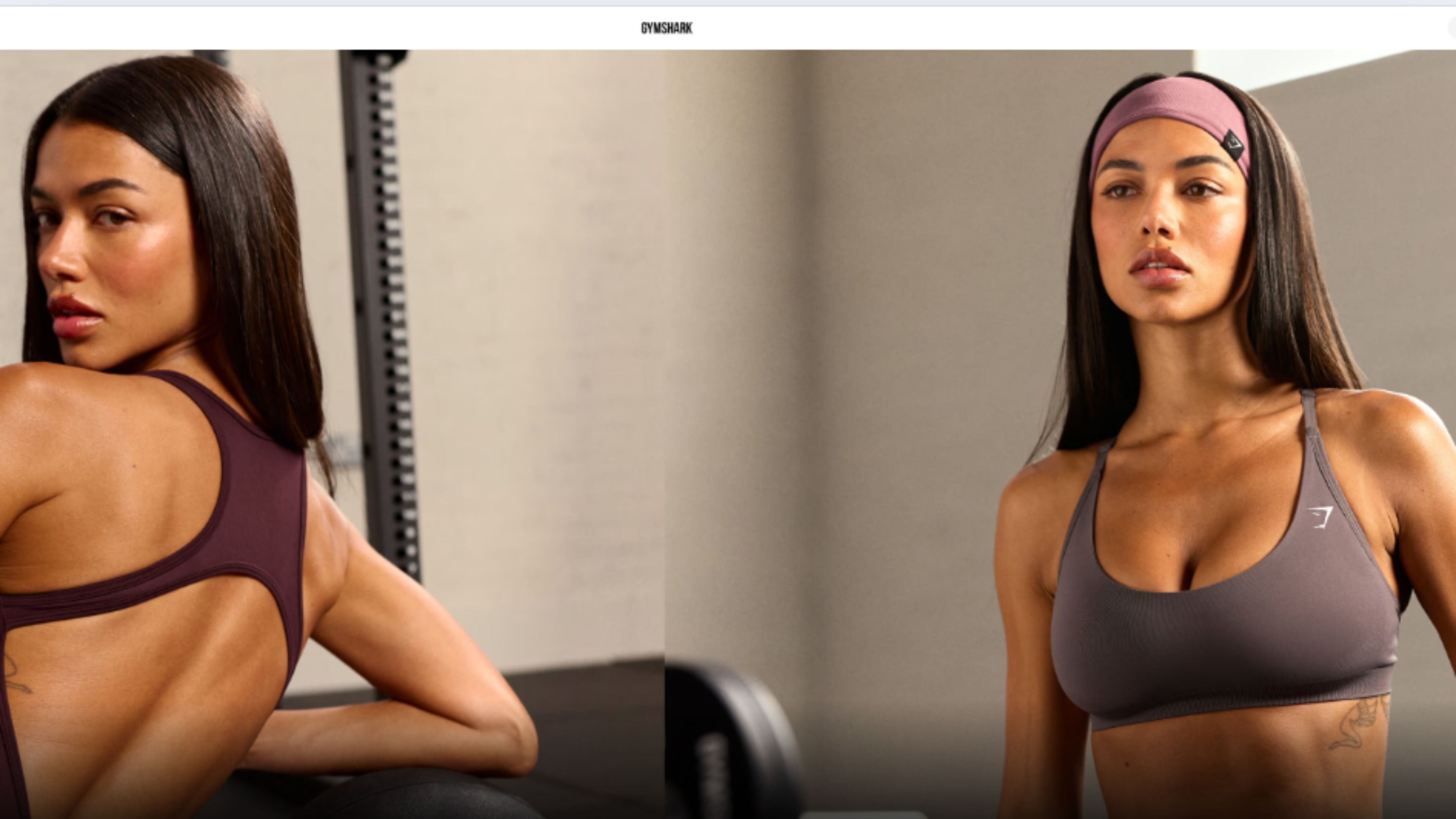
Best for: Gym enthusiasts, weightlifters, fitness influencers, and consumers who want a tight, sculpted aesthetic during training Pricing from: ~$20 for accessories / ~$30–$45 for sports bras and tanks / ~$45–$70 for leggings and shorts / ~$55–$85 for hoodies and sweatshirts
Gymshark's rise from a UK garage startup — founded in 2012 by then-19-year-old Ben Francis screen-printing supplements orders with a sewing machine — to a billion-dollar global brand is one of the most remarkable stories in modern retail. The brand achieved this growth almost entirely through social media and fitness influencer marketing before either strategy was widely understood, building an
extraordinarily loyal community of fitness enthusiasts who felt personally connected to Gymshark's story and aesthetic. That community-first approach remains the brand's most powerful differentiator, creating a brand loyalty that comparably priced competitors rarely achieve.
The product range is tightly focused on the gym environment — Gymshark makes clothing specifically for people who train hard and want their clothing to reflect that commitment. The Vital seamless collection and Power leggings have developed cult followings for their body-contouring fit, compression quality, and ability to maintain shape and color through heavy training use. The seamless knit construction used across much of the range reduces chafing and increases flexibility in ways that cut-and-sew construction can't match — a genuine performance differentiator for high-intensity training contexts.
Pricing at Gymshark is meaningfully below Lululemon and Alo, making premium-feeling performance wear accessible at a mid-market price point that's hard to argue with. The brand's regular drops and limited collections create a sense of exclusivity and cultural momentum that keeps its community actively engaged. Gymshark has also expanded beyond the UK to become a genuine US market force, with pop-up stores and events that bring the brand community together in physical spaces.
Pros:
Excellent value — premium gym performance feel at mid-market prices
Seamless knit construction delivers superior flexibility and reduced chafing
Extraordinary community loyalty and engagement built through social and influencer channels
Regular limited drops create excitement and cultural momentum
Strong compression quality across leggings and shorts range
Cons:
Aesthetic leans heavily toward fitted, body-conscious silhouettes — not universally appealing
Less versatile for lifestyle and casual wear outside of gym contexts
Size range, while improving, has historically skewed toward smaller sizes
Sustainability commitments are less developed than premium competitors
Fabric technology depth is shallower than Lululemon or Nike at the elite end
6. Athleta — Best for Women's Size-Inclusive Athleisure With Sustainability Focus
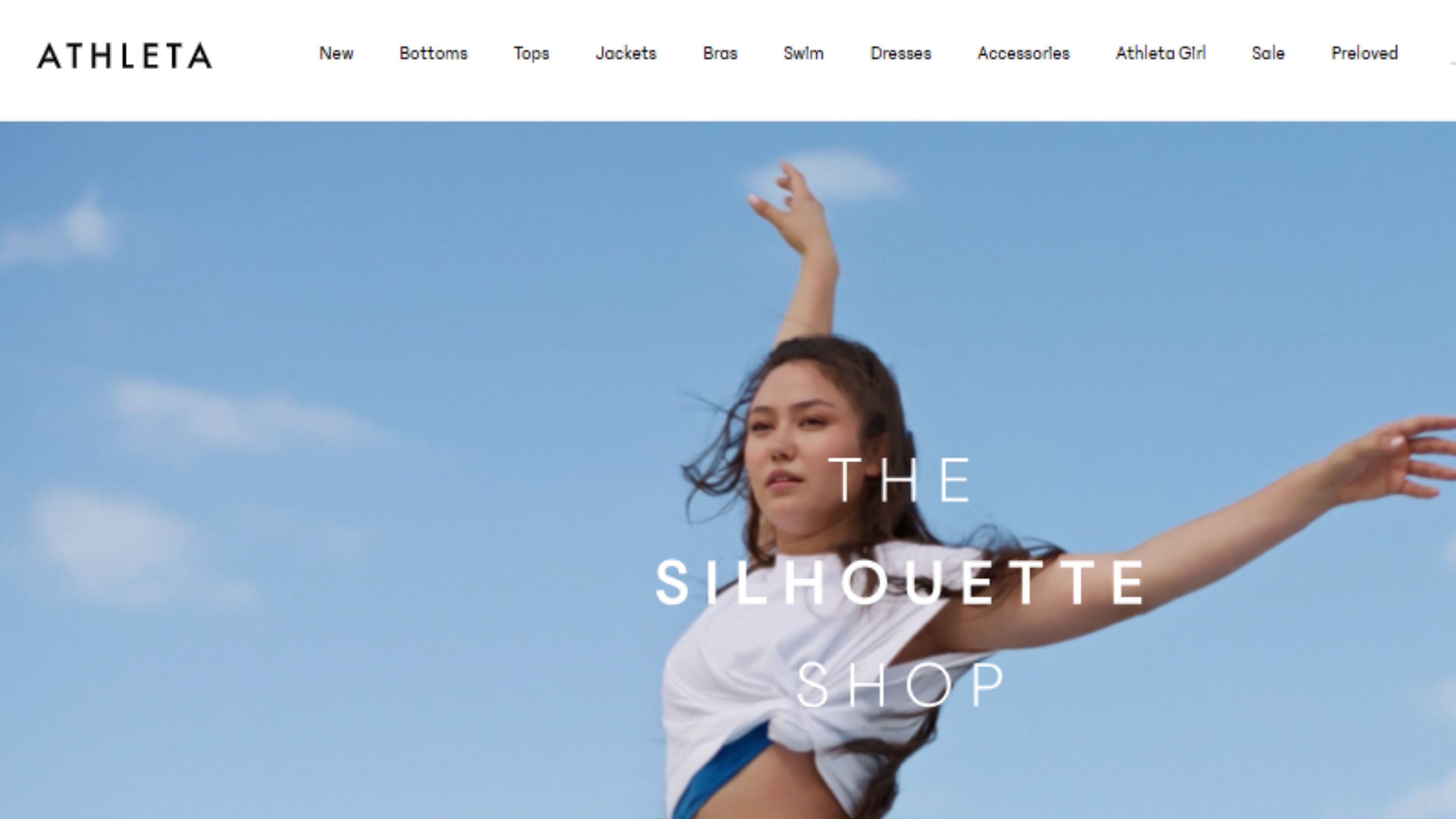
Best for: Women seeking inclusive sizing, sustainable manufacturing, and versatile performance wear across fitness and lifestyle Pricing from: ~$29 for tanks and sports bras / ~$69 for tops and hoodies / ~$89–$119 for leggings and tights / ~$99–$179 for jackets and outerwear
Athleta occupies a thoughtfully defined niche in the women's athleisure market — it's the brand that most consistently delivers on the combination of genuine size inclusivity, sustainability commitment, and functional performance without asking shoppers to compromise on any of the three. As a certified B Corporation and subsidiary of Gap Inc., Athleta has built its identity around the conviction that performance clothing should work for every woman's body, not just a narrow aspirational ideal — and the brand's sizing range, which extends from XXS to 3X in most styles and includes tall and petite options, genuinely reflects that commitment in a way most competitors' marketing language does not.
The product quality at Athleta is strong and consistently improving. The Salutation Stash Tight and the Powervita fabric system have earned devoted fans among yoga practitioners and everyday active women who want soft, flexible performance without the premium price of Lululemon. Athleta's technical fabrics include moisture-wicking, quick-dry, and four-way stretch systems across its core range, and the brand's swim and outdoor-crossover collections bring performance technology into categories that most pure athleisure brands don't address. The overall aesthetic leans toward clean, functional minimalism — less trend-driven than Alo, less gym-culture-focused than Gymshark, and more aligned with a versatile everyday active lifestyle.
Athleta's Give-Back program allows customers to bring in old athletic clothing from any brand for recycling — a meaningful initiative that extends the brand's sustainability mission beyond its own products. Gap Inc. backing gives Athleta retail distribution advantages and financial stability that smaller athleisure brands can't match. For women who have felt underserved by athleisure brands that claim inclusivity while stocking limited size ranges, Athleta's genuine commitment to this space makes it a standout choice.
Pros:
Industry-leading size range from XXS to 3X with tall and petite options
Certified B Corporation with genuine and verified sustainability commitments
Give-Back recycling program accepts clothing from any brand
Clean, versatile aesthetic works across fitness, work, and lifestyle contexts
Competitive pricing relative to Lululemon for comparable performance quality
Cons:
Aesthetic is less fashion-forward than Lululemon, Alo, or Sweaty Betty
Men's range is nonexistent — entirely women's focused
Brand identity is less culturally prominent than Lululemon or Nike
Some fabric technologies fall short of Lululemon's proprietary performance standards
Limited international presence compared to global athleisure leaders
7. Vuori — Best for Laid-Back California Lifestyle Aesthetics With Genuine Performance
Best for: Men and women who want stylish, casual-leaning athleisure that transitions effortlessly between the gym, the coffee shop, and the weekend Pricing from: ~$38 for tees and tanks / ~$68 for shorts and joggers / ~$88–$118 for leggings and pants / ~$98–$148 for hoodies and outerwear Vuori launched in 2015 in Encinitas, California — a coastal surf and yoga town — and everything about the brand reflects that origin story. Where Gymshark is built around gym culture intensity and Alo is built around aspirational luxury wellness, Vuori is built around the unhurried, sun-drenched California lifestyle philosophy that says performance clothing should feel as natural and comfortable as anything you'd wear on a beach day. This positioning has resonated powerfully with a consumer who finds Lululemon's price point hard to justify and Gymshark's tight aesthetic not quite right — and Vuori's growth from a small California brand to a $4 billion valuation in under a decade reflects how many people that turns out to be.
The Ponto Performance Jogger for men has become one of the most celebrated athleisure pieces on the market — a relaxed-fit, performance-fabric pant that looks genuinely polished enough for a casual office while delivering the comfort and stretch of athletic wear. The Kore Short is similarly beloved as a versatile training and lifestyle option. For women, Vuori's Flow collection delivers soft, flexible performance fabrics in relaxed silhouettes that feel more like luxury loungewear than technical activewear — which is precisely the point. The brand's fabrics are genuinely high quality, with a focus on softness, durability, and ease of care that makes every piece feel like a long-term wardrobe investment.
Vuori has also made meaningful sustainability commitments — using recycled and bluesign-certified materials across much of its range and partnering with 1% for the Planet. The brand recently opened physical retail locations across major US markets, allowing shoppers to experience the fabric quality in person before purchasing. For the growing segment of consumers who want athleisure that feels genuinely relaxed rather than performance-oriented or fashion-forward, Vuori fills that space better than any other brand on this list.
Pros:
Ponto Performance Jogger is one of the most versatile athleisure pieces available for men
Relaxed, California-cool aesthetic transitions exceptionally well to non-gym contexts
Fabric quality — particularly softness and durability — is genuinely excellent
bluesign certification and 1% for the Planet partnership reflect real sustainability commitment
Strong and growing physical retail presence for in-person fabric evaluation
Cons:
Less technically focused than Nike, Lululemon, or Gymshark for serious athletic performance
Women's range is strong but narrower than dedicated women's-first brands
Premium pricing that approaches Lululemon on some styles
Brand awareness, while growing rapidly, is still below category leaders
Aesthetic may feel too casual for consumers who want a more structured athletic look
8. Beyond Yoga — Best for Ultra-Soft, Inclusive Comfort-Focused Activewear
Best for: Women prioritizing exceptional fabric softness, inclusive sizing, and comfort-first activewear for yoga, pilates, and lifestyle wear Pricing from: ~$52 for sports bras / ~$68 for tops / ~$98–$128 for leggings / ~$118–$178 for hoodies and outerwear
Beyond Yoga has built a deeply loyal following by doing one thing exceptionally well and refusing to compromise it in favor of trend-chasing or cost-cutting: creating the softest, most comfortable activewear fabric experience available at any price point. The brand's Spacedye fabric — a proprietary heathered knit with a distinctive marled texture and genuinely exceptional hand-feel — has earned fanatical devotion from customers who describe wearing it as a physical pleasure rather than simply a clothing choice. This sounds like marketing hyperbole until you actually feel it, at which point it makes complete sense.
Beyond Yoga was built from the beginning with size inclusivity as a core design principle rather than an afterthought. The brand carries sizes from XS to 4X across most of its styles — one of the broadest ranges in premium athleisure — and designs each size individually rather than simply scaling a sample size up or down, resulting in garments that fit and flatter across the size range in a way that brands using standard grading methods can't reliably achieve. This commitment to genuine inclusivity has made Beyond Yoga a trusted and recommended brand within communities of shoppers who have frequently felt underserved by the athleisure industry's narrow aesthetic focus.
The brand was acquired by Softbank-backed e-commerce platform Enjoy Technology in the mid-2020s and has continued to expand its retail presence. While Beyond Yoga's aesthetic is less fashion-forward than Alo or Lululemon and its performance technology is less sophisticated than Nike at the technical end, for its target consumer — a woman who prioritizes feeling comfortable, included, and genuinely well-served by her activewear — the brand delivers with a consistency that builds extraordinary loyalty.
Pros:
Spacedye proprietary fabric delivers genuinely unmatched softness and comfort
Size range from XS to 4X with individual design at each size — not just scaling
Strong for yoga, pilates, barre, and low-to-moderate intensity activity
Distinctive Spacedye aesthetic is easily recognizable and consistently beautiful
Exceptionally loyal customer base reflects genuine product satisfaction
Cons:
Premium pricing is high relative to the technical performance level offered
Less suitable for high-intensity training, running, or performance-critical activities
Aesthetic is distinctive but may feel less versatile than more neutral options
Brand awareness remains lower than category leaders despite strong product quality
Sustainability commitments are less prominently developed than some competitors
9. Sweaty Betty — Best for European-Influenced Premium Women's Activewear
Best for: Women seeking a premium, fashion-forward European aesthetic in performance activewear for yoga, running, and studio fitness Pricing from: ~$45 for sports bras / ~$75 for tops and base layers / ~$110–$140 for leggings and tights / ~$130–$250 for jackets and outerwear
Sweaty Betty brings a distinctly British sensibility to the athleisure conversation — and in a market dominated by American and Canadian brands, that difference in perspective is genuinely refreshing. Founded in London in 1998 (the same year as Lululemon, interestingly), Sweaty Betty has spent over two decades developing a premium women's activewear identity rooted in European design aesthetics, bold color and print confidence, and a philosophy that women who exercise deserve clothing that is as visually exciting as it is functionally capable. The brand's US presence has grown significantly since its 2021 acquisition by Wolverine World Wide, making it increasingly accessible to American consumers who have followed it with admiration from afar.
The Power Legging is Sweaty Betty's flagship product and one of the most technically accomplished leggings available in the premium athleisure space. Built with sculpting compression, a high-rise waistband that genuinely stays in place during movement, and fabric that balances opacity with four-way stretch, it competes directly with Lululemon's best leggings at a comparable price point. The brand's running and outdoor performance collections extend beyond pure studio wear into genuine sport-specific performance territory, with reflective detailing, weather-resistant fabrics, and ergonomic construction that serious recreational athletes will appreciate.
Sweaty Betty's print and color culture is a meaningful differentiator — the brand consistently produces bold, beautiful patterns and colorways that give its pieces a distinctive visual identity that stands out in a market flooded with black leggings. For shoppers who want their activewear to express genuine personality and style confidence alongside performance function, Sweaty Betty delivers a combination that's difficult to find elsewhere at this quality level.
Pros:
Power Legging competes directly with Lululemon's best at a comparable price
Bold European print and color culture creates strong visual identity
Genuinely strong running and outdoor performance collections
Combines fashion-forward aesthetics with serious technical performance
Growing US retail presence makes the brand increasingly accessible
Cons:
Premium pricing throughout the range — no budget entry point
Size range, while improving, lags behind Athleta and Beyond Yoga
Brand awareness in the US is still building relative to domestic competitors
Some bold prints and colors may not appeal to minimalist aesthetic preferences
Sustainability commitments need further development relative to premium pricing
10. Rhone — Best for Premium Men's Performance and Lifestyle Athleisure
Best for: Men seeking premium performance fabrics and sophisticated aesthetic for gym, work, travel, and everyday lifestyle wear Pricing from: ~$38 for tees / ~$68 for shorts / ~$88–$118 for joggers and pants / ~$98–$168 for hoodies, jackets, and outerwear
Rhone exists to solve a problem that men who care about both performance and aesthetics have faced for years — the fact that most men's activewear forces a choice between clinical athletic functionality and genuine style, without much available in the space between. Founded in 2014 with an explicit mission to build the Lululemon equivalent for men, Rhone has developed a premium men's performance clothing range that integrates technical fabric innovation with thoughtful design detail and an aesthetic sophisticated enough to transition from a morning workout to a work-from-home video call without feeling out of place in either context.
The GoldFusion and Mako fabric systems that Rhone has developed deliver moisture-wicking, four-way stretch performance with a surface texture and drape that reads as refined rather than athletic from a distance. The Reign Short — Rhone's flagship men's training short — has earned exceptional reviews for its liner comfort, range of motion, and ability to look appropriate in gym and social contexts simultaneously. The Commuter Pant and Journey Jogger collections have similarly found devoted followings among professional men who want to dress comfortably without sacrificing presentability. This specific sweet spot — performance clothing that a professional man can wear without apology outside of a gym — is Rhone's most compelling and consistent achievement.
Rhone also invests meaningfully in community building through its partnerships with training facilities, running clubs, and wellness events — reinforcing a brand identity centered on purposeful, balanced male athleticism rather than pure gym culture aesthetics. At premium price points that rival Lululemon, Rhone makes a compelling case that men's athleisure deserves the same level of fabric and design investment that women's has received, and its growing retail presence suggests a significant portion of its target market agrees.
Pros:
Fills a genuine gap in premium men's performance and lifestyle athleisure
GoldFusion and Mako fabrics deliver genuine performance with refined aesthetics
Reign Short is one of the most highly reviewed men's training shorts available
Transitions effectively between gym, work, and lifestyle contexts
Community investment reinforces a sophisticated, purposeful brand identity
Cons:
Entirely men's focused — no women's range
Premium pricing that not all men's athleisure shoppers are ready to justify
Brand awareness remains well below Lululemon, Nike, or Adidas
Narrower product range than multi-category athleisure brands
Retail availability is still limited compared to established category leaders
Brand Comparison Summary
Brand | Price Range | Target Audience | Primary Strength | Style Approach |
Lululemon | Men & Women | Fabric innovation | Performance-meets-lifestyle | |
Alo Yoga | Women | Fashion credibility | Luxury wellness aesthetic | |
Nike | Men & Women | Performance tech | Sport-first lifestyle | |
Adidas | Men & Women | Collaboration culture | Heritage sport fashion | |
Gymshark | Men & Women | Gym community | Body-conscious fitted | |
Athleta | Women | Size inclusivity | Clean functional minimal | |
Vuori | Men & Women | Lifestyle versatility | California relaxed | |
Beyond Yoga | Women | Fabric softness | Comfort-inclusive | |
Sweaty Betty | Women | European design | Bold fashion-performance | |
Rhone | Men | Men's premium gap | Refined performance lifestyle |
For the tightest budgets: Nike, Adidas, and Gymshark offer the best performance value under $80 per item. For premium fabric experience: Lululemon remains the benchmark, with Alo and Sweaty Betty as strong alternatives. For size inclusivity: Athleta and Beyond Yoga lead the field with the most genuine commitment. For men specifically: Rhone and Vuori fill the premium men's gap that most athleisure brands leave open. For sustainability-conscious shoppers: Athleta's B Corp certification and Adidas's Parley range represent the strongest commitments on this list.
Buying Guide
Who Needs Quality Athleisure?
The honest answer in 2024 is almost everyone. The athleisure category now serves a far broader audience than fitness enthusiasts — it's the practical choice for remote workers who want comfort and professionalism simultaneously, for parents managing busy schedules across multiple daily contexts, for travelers who need clothing that handles long flights and active sightseeing equally well, and for anyone who has decided that comfort and style are not a trade-off they're willing to make. The category is particularly valuable for people whose daily schedules move across multiple contexts — from a morning workout to a casual office environment to social plans in the evening — without the time or desire to change outfits between each.
How Athleisure Technology Works
Modern athleisure performance fabrics are primarily built on four technical foundations working together. Moisture management — the ability to draw perspiration away from the skin and disperse it across the fabric surface for faster evaporation — is delivered through hydrophilic fiber treatment or fabric structure design. Four-way stretch — essential for freedom of movement in yoga, training, and daily life — is achieved through elastane (spandex or Lycra) blended into the base fiber, typically at 10% to 20% of total fabric weight. Compression — the controlled pressure that supports muscles, reduces fatigue, and creates a sculpted silhouette — is engineered through fabric tension and construction rather than simple fabric tightness. Finally, durability is managed through fiber denier (thickness), construction quality, and colorfastness treatment that determines how well a garment retains its appearance and performance properties through repeated washing and use.
Key Features to Consider
Fabric weight and opacity — heavier fabrics provide more coverage and structure; lighter fabrics feel more breathable and are better for yoga and studio work but may sacrifice opacity during high-stretch movements. Always check squat-proof claims carefully. Waistband construction — a high-rise waistband that stays in place during movement is the single feature most consistently correlated with customer satisfaction in women's leggings. Seam placement — flatlock or seamless construction reduces chafing in high-movement areas and is worth prioritizing for high-intensity training. Pocket placement and security — functional pockets, particularly those that securely hold a phone during running or training, are genuinely useful and increasingly standard in quality athleisure. Fabric care requirements — merino and premium synthetic blends often require more careful washing; if you want something you can throw in the machine without thinking, prioritize brands with simple care instructions across their range.
Pricing Overview
Athleisure pricing spans a genuinely wide range that reflects both quality differences and significant brand premium effects.
Entry tier ($20–$60 per item): Gymshark, Nike basics, and Adidas core products deliver real performance at accessible prices. Expect solid moisture-wicking and stretch without premium fabric experience.
Mid-market tier ($60–$100 per item): Athleta, Vuori, and Gymshark's premium lines sit here, offering genuine quality that competes with premium brands on most performance metrics at a more accessible investment level.
Premium tier ($100–$150 per item): Lululemon, Sweaty Betty, and Beyond Yoga core products occupy this range. The fabric experience and construction quality step up meaningfully at this level.
Luxury tier ($150+ per item): Alo Yoga's outerwear and top-tier Lululemon pieces sit here, along with Rhone's premium men's range. At this level, you're paying for both genuine quality and significant brand prestige.
Unlike outdoor technical clothing, there is no meaningful DIY alternative to athleisure — the fabric technologies involved require industrial manufacturing. The smartest cost-saving strategy is buying quality pieces from the previous season during end-of-season sales, shopping brand-direct during promotional periods, or purchasing through platforms like Poshmark and ThredUp where gently used Lululemon and Alo pieces are widely available at 30% to 60% below retail prices. Lululemon's own Like New resale platform is another excellent option for buying pre-owned pieces with brand-verified quality assurance.
Frequently Asked Questions
Q: Is Lululemon actually worth the price compared to cheaper athleisure brands?
For the specific categories where Lululemon's proprietary fabrics — particularly Nulu and Luon — genuinely distinguish themselves, yes. The Align legging in Nulu fabric delivers a sensation and durability that cheaper alternatives demonstrably don't replicate over time. For categories like basic hoodies, tees, and accessories where fabric innovation matters less, the premium is harder to justify and mid-market alternatives from Vuori, Athleta, or Nike perform comparably. The best approach is to invest in Lululemon for the specific products where its fabric technology is the differentiator, and shop more affordably for pieces where it isn't.
Q: How do I choose between Lululemon and Alo Yoga for leggings?
The decision largely comes down to your priorities between feel and aesthetic. Lululemon's Align legging in Nulu fabric prioritizes an ultra-soft, barely-there comfort experience and is broadly considered the better choice for yoga, studio, and casual wear where that sensation matters most. Alo's Airbrush legging prioritizes a smooth, compressive, high-gloss finish that photographs exceptionally well and provides a sculpted silhouette — better suited to shoppers who prioritize aesthetic appearance alongside performance. Both are genuinely premium products; the choice is about which performance and aesthetic profile resonates more with your specific needs and style.
Q: What athleisure brands are best for plus-size shoppers?
Athleta and Beyond Yoga are the clear leaders in genuine size inclusivity within the premium athleisure space. Athleta carries XS to 3X with tall and petite options; Beyond Yoga runs XS to 4X with individually designed sizing across the range. Both brands treat extended sizing as a core design commitment rather than an add-on, resulting in garments that fit well across the size range. Nike and Adidas also carry extended sizes within much of their range, and Gymshark has made meaningful recent improvements to its size offerings. Lululemon and Alo have faced consistent criticism for more limited size ranges, though both brands have made incremental improvements in recent years.
Q: How should I care for premium athleisure clothing to make it last?
The single most important care rule across virtually all premium athleisure fabrics is to wash in cold water on a gentle cycle and air dry rather than tumble drying. Heat is the primary enemy of elastane fibers — the heat from a dryer breaks down spandex and Lycra over time, reducing stretch recovery and causing fabric to pill and sag. Turn garments inside out before washing to protect surface finishes, use a gentle or sport-specific detergent rather than standard detergent with fabric softener (softener coats moisture-wicking fibers and reduces their effectiveness), and avoid washing with heavy items like jeans or towels that create friction. Treated this way, a quality Lululemon or Sweaty Betty legging should maintain its performance and appearance through three or more years of regular use.
Q: Is athleisure appropriate to wear to work?
Increasingly, yes — particularly in industries with casual dress cultures. The key is choosing pieces specifically designed for the workplace crossover, such as Vuori's Ponto Performance Jogger, Rhone's Commuter Pant, or Lululemon's ABC trousers for men, and Athleta's Sculptek and Brooklyn collections for women. The general principle is to prioritize clean, tailored silhouettes in neutral colors, avoid anything with visible compression panels or performance mesh detailing, and pair athletic pieces with more traditional workwear elements — a blazer over a performance tee, loafers with performance joggers — to signal intentional style rather than simply wearing gym clothes to the office.