We reviewed dozens of discount and off-price clothing retailers across the country — weighing their brand selection, pricing, store experience, and overall value — to bring you the definitive list of the best places to shop smart. No matter your style, size, or budget, this guide has you covered.
Top 10 at a Glance
Marshalls – Best for everyday designer treasure hunting
TJ Maxx – Best for wide brand variety and home goods combo shopping
Ross Dress for Less – Best for ultra-low prices on a tight budget
Nordstrom Rack – Best for premium and luxury brand deals
Burlington – Best for family and outerwear savings
Saks Off 5th – Best for genuine luxury fashion at reduced prices
Last Call by Neiman Marcus – Best for high-end clearance and upscale shoppers
Century 21 – Best for iconic New York-style designer bargains
H&M – Best for trendy fast-fashion on an extremely tight budget
ThredUp – Best for sustainable secondhand designer shopping online
Full Reviews
1. Marshalls — Best for Everyday Designer Treasure Hunting
Marshalls is the undisputed king of the off-price shopping experience, and for good reason. This beloved retail chain has built its entire reputation on offering an ever-rotating selection of brand-name and designer clothing at prices that can be 20% to 60% below traditional retail. Walk through the doors on any given day and you might find a Calvin Klein blazer sitting next to a pair of Michael Kors boots — all at prices that make you do a double take.
What makes Marshalls truly addictive is the thrill of the find. The inventory changes constantly, which means no two shopping trips are exactly the same. Regulars swear by visiting frequently because the best pieces disappear fast. From women's dresses and men's suits to activewear and accessories, the range is genuinely impressive. Marshalls also carries an excellent selection of shoes, handbags, and jewelry, making it a true one-stop shop for budget-conscious fashionistas.
Pricing typically runs from as low as $7 for basic tees up to $150 or more for designer outerwear — but you're almost always paying a significant markdown from what you'd find elsewhere. It's worth noting that Marshalls doesn't offer an online shopping platform for clothing in the same way its competitors do, so the in-store experience is where the real magic happens.
Pros:
Consistently deep discounts on recognizable designer brands
Huge variety across clothing, shoes, and accessories
New inventory arrives regularly, keeping selections fresh
Great for both men's and women's fashion
Affordable enough for budget shoppers at almost every price point
Cons:
No online clothing shopping — in-store only
Store organization can feel overwhelming or disorganized
Sizing and availability are hit or miss
Quality control varies between items
2. TJ Maxx — Best for Wide Brand Variety and Combo Shopping
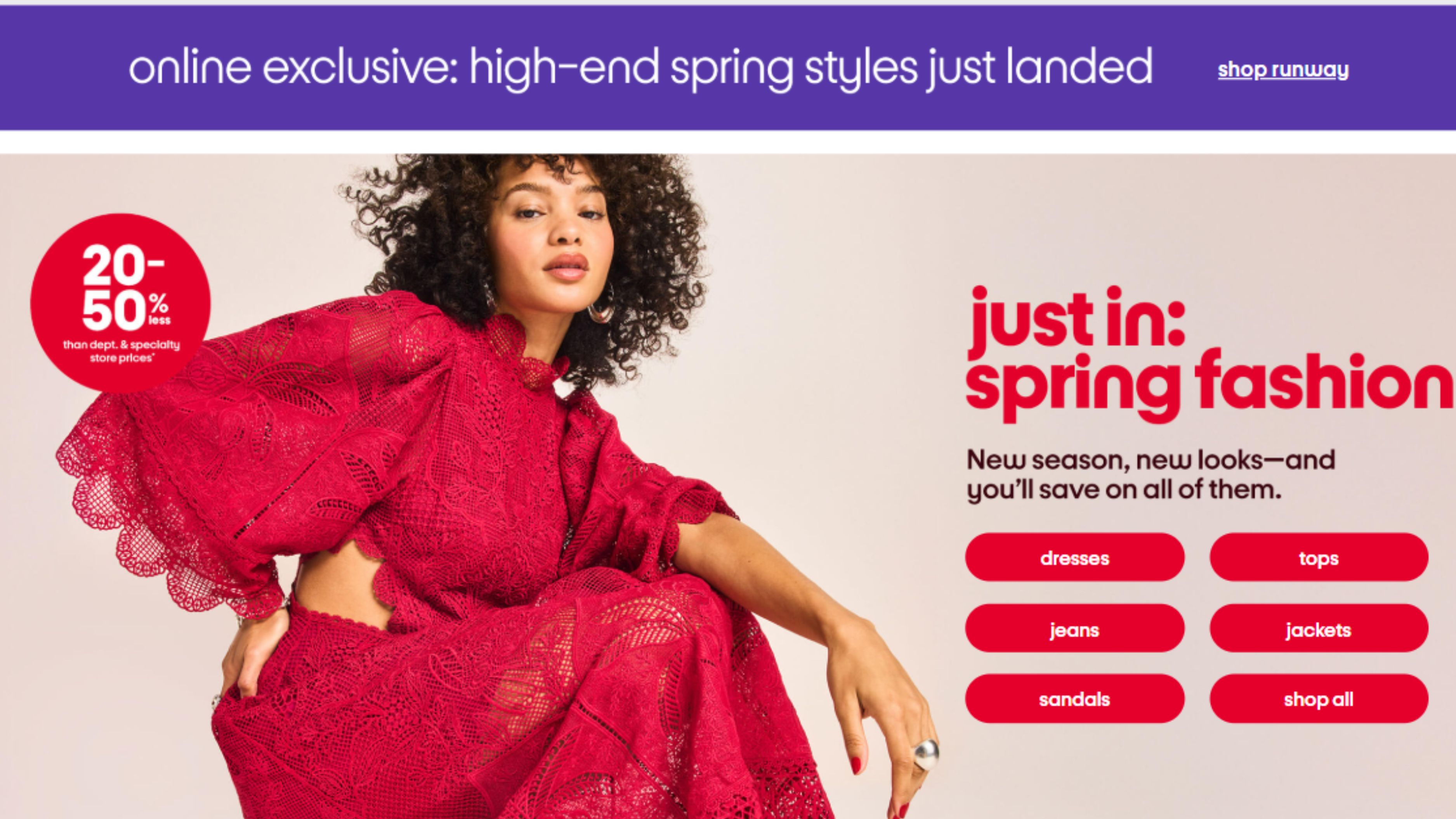
TJ Maxx and Marshalls are sister stores under the same parent company (TJX Companies), but they each have their own personality. TJ Maxx tends to feel a bit more polished and organized, and it boasts an even broader selection of brands — including its well-known "Runway" section, which is dedicated entirely to high-end designer pieces. If you've ever wanted to own a piece from a runway collection without the eye-watering price tag, TJ Maxx's Runway section is worth a slow, careful browse.
Beyond clothing, TJ Maxx doubles as a lifestyle destination, offering home décor, beauty products, and luggage alongside its fashion departments. For shoppers who love the idea of crossing multiple errands off their list in one trip, this is a serious advantage. The store also has a solid online presence through tjmaxx.com, giving you the option to shop from home — a major plus compared to some of its competitors.
Price ranges mirror those of Marshalls, with everyday items starting around $6 to $10 and designer pieces reaching up to $200 or more before markdowns. The Runway section can occasionally feature pieces originally priced well over $500 being sold for under $100.
Pros:
Dedicated "Runway" section for genuine high-end designer finds
Online shopping available through tjmaxx.com
Broader lifestyle product range beyond clothing
Slightly more organized store layout than some competitors
Frequent markdowns on already-discounted prices
Cons:
Inventory can still be inconsistent store to store
Online selection doesn't always match in-store availability
High-demand designer items sell out quickly
Return policy has some limitations on certain items
3. Ross Dress for Less — Best for Ultra-Low Prices on a Tight Budget

If your goal is to stretch every single dollar as far as it will go, Ross Dress for Less is your store. Ross operates on a no-frills, no-fuss model that prioritizes savings above everything else. The stores are straightforward — racks upon racks of clothing sorted by type and size — and the prices are often the lowest you'll find anywhere in the off-price retail space. It's not uncommon to walk out of Ross with a full outfit for under $30.
Ross focuses heavily on value-conscious shoppers and carries a strong mix of brand-name basics, activewear, workwear, and casual fashion. It's particularly strong in categories like kids' clothing, shoes, and home goods. While you won't always find the same high-end designer names as Nordstrom Rack or Saks Off 5th, Ross reliably stocks recognizable labels like Champion, Levi's, and Columbia at prices that are hard to beat.
The typical Ross shopper is practical, budget-driven, and willing to dig a little. Items range from $4 basics all the way up to $60 to $80 for outerwear or footwear. There's no online shopping option at Ross, but for the prices offered, most regulars don't mind making the trip.
Pros:
Among the lowest prices of any off-price clothing retailer
Good selection of activewear and athletic brands
Strong kids' and family clothing sections
Stores are widely available across the country
Excellent for everyday basics and staples
Cons:
Store environment can feel cluttered and hard to navigate
No online shopping option
Designer selection is more limited than competitors
Merchandise quality varies widely
Fitting rooms can feel cramped during busy hours
4. Nordstrom Rack — Best for Premium and Luxury Brand Deals
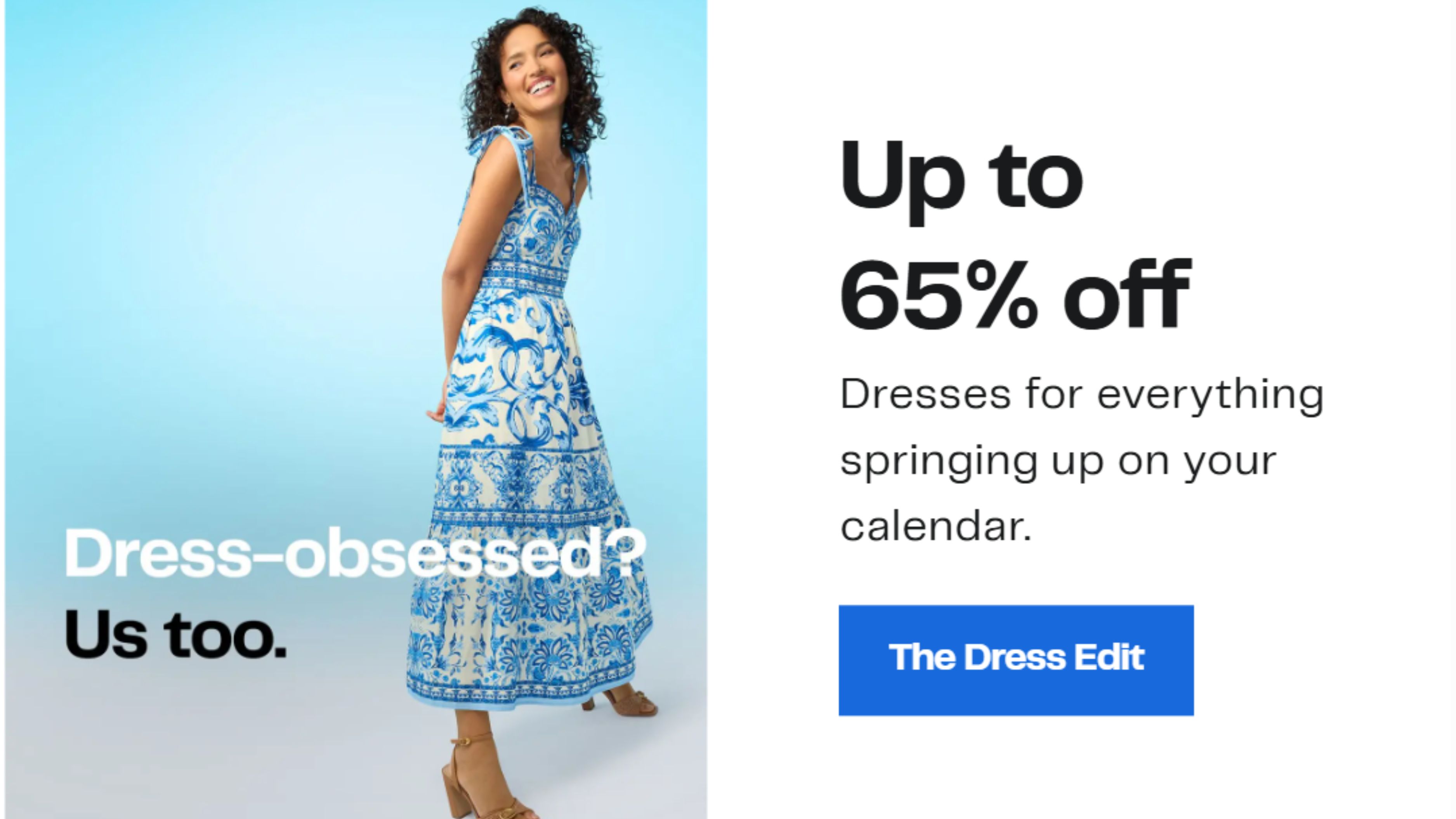
Nordstrom Rack is the off-price arm of the iconic Nordstrom department store, and it brings with it a significantly more upscale shopping experience than most discount retailers. Here, you're not just stumbling across designer pieces by chance — the entire store is curated around offering genuine premium and luxury brands at reduced prices. Think Nike, Zella, Halogen, Ted Baker, and even the occasional Burberry or Vince piece at 30% to 70% off retail.
The in-store experience at Nordstrom Rack is considerably more refined than at Ross or Marshalls. The store layouts are cleaner, the staff is more attentive, and the overall feel is closer to a traditional department store. This makes it an excellent choice for shoppers who want discount prices without sacrificing the shopping experience entirely. Nordstrom Rack also runs a popular online platform that frequently features flash sales called "Clear the Rack," where already-discounted items get slashed by an additional percentage.
Prices at Nordstrom Rack are generally a bit higher than at Ross or Marshalls, reflecting the more elevated brand tier. You'll commonly find items ranging from $20 for basics up to $300 for premium outerwear or designer accessories — but these items would often cost double or triple that at full retail. Loyalty members through the Nordstrom Nordy Club program can earn points on Rack purchases too.
Pros:
Genuinely premium and luxury brand selection
Clean, well-organized store environment
Robust online shopping platform with frequent flash sales
Loyalty rewards program extends to Rack purchases
Strong return and exchange policy
Cons:
Higher price floor compared to budget-first competitors
Flash sale items sell out extremely fast online
Some locations have limited inventory of the best brands
Occasionally sells items near original retail price without meaningful discount
5. Burlington — Best for Family and Outerwear Savings
Burlington — formerly Burlington Coat Factory — built its name on one very specific promise: incredible deals on coats. And while the store has expanded well beyond outerwear over the years, that original strength absolutely holds. If you need a high-quality winter coat, ski jacket, or rain jacket without paying department store prices, Burlington is the place to start and end your search.
Beyond coats, Burlington has grown into a full-service off-price family retailer, covering women's, men's, kids', and even baby clothing. The stores tend to be large and well-stocked, with a good mix of national brands and private label options. Burlington is particularly strong for parents shopping for multiple children, since the kids' sections are extensive and the prices are genuinely low.
Everyday clothing at Burlington typically ranges from $10 to $50, while their signature outerwear can run from $40 up to $150 for premium-brand coats that would cost significantly more elsewhere. Burlington also runs regular promotional sales that layer on top of already-reduced prices, making the savings even more dramatic during key shopping seasons.
Pros:
Unbeatable selection and pricing on coats and outerwear
Excellent kids' and baby clothing departments
Large store formats mean broader inventory
Regular sales and promotional events
Good for family shopping across all age groups
Cons:
Store layout can feel less curated than competitors
Designer brand selection is more limited
Online shopping experience is not as strong as some rivals
Coat inventory gets picked over quickly in fall and winter
6. Saks Off 5th — Best for Genuine Luxury Fashion at Reduced Prices
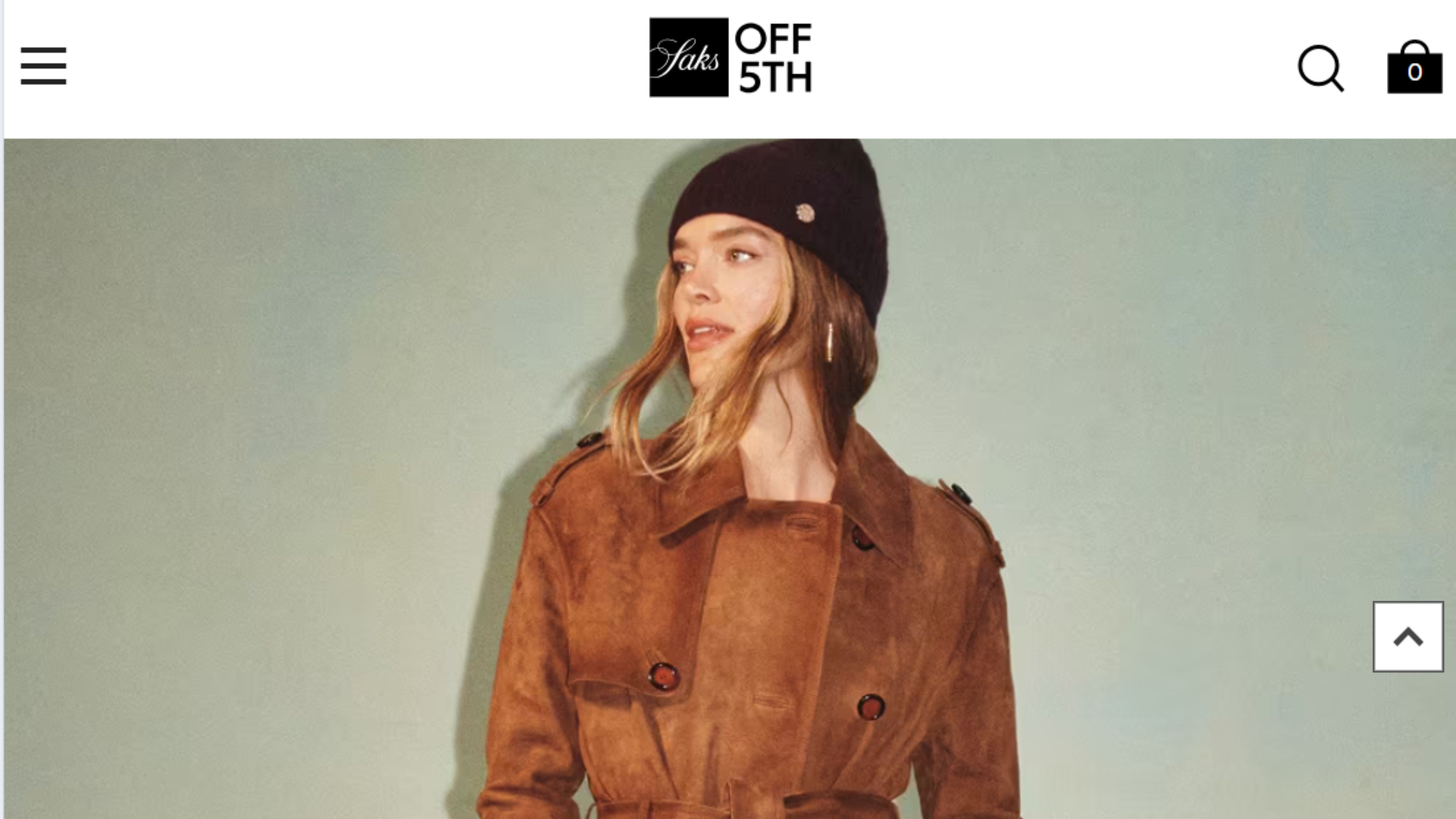
If Nordstrom Rack is the upscale end of the off-price spectrum, Saks Off 5th is a level above even that. As the outlet division of the legendary Saks Fifth Avenue luxury department store, Saks Off 5th offers access to some of the most prestigious fashion houses in the world — including Gucci, Prada, Versace, Alexander McQueen, and more — at prices that have been meaningfully reduced from their jaw-dropping originals.
Shopping at Saks Off 5th feels different from a typical discount retailer. The stores are elegant and thoughtfully designed, the merchandise is carefully presented, and the staff is trained to assist shoppers with a level of service you won't find at a Marshalls or Ross. The online store is equally impressive, featuring thousands of luxury items and frequent additional percentage-off sales events. For shoppers who have always dreamed of owning a genuine luxury piece but couldn't justify full retail prices, this is the most realistic pathway to get there.
Prices at Saks Off 5th reflect the luxury tier — you might pay $150 for a designer top that retailed at $400, or $600 for a handbag originally priced at $1,500. The savings are real and significant, but the entry price is still higher than most other stores on this list. That said, for the quality and prestige of the labels available, the value proposition is genuinely compelling.
Pros:
Access to genuine top-tier luxury fashion brands
Elevated in-store and online shopping experience
Significant percentage markdowns on high-end originals
Frequent online sale events with additional discounts
Perfect for special occasion or investment piece shopping
Cons:
Significantly higher price floor than most discount retailers
Not suitable for everyday budget shoppers
Inventory of specific luxury pieces can be limited
Sizes can be inconsistent across luxury designer items
Some pieces may be from older collections
7. Last Call by Neiman Marcus — Best for High-End Clearance and Upscale Shoppers
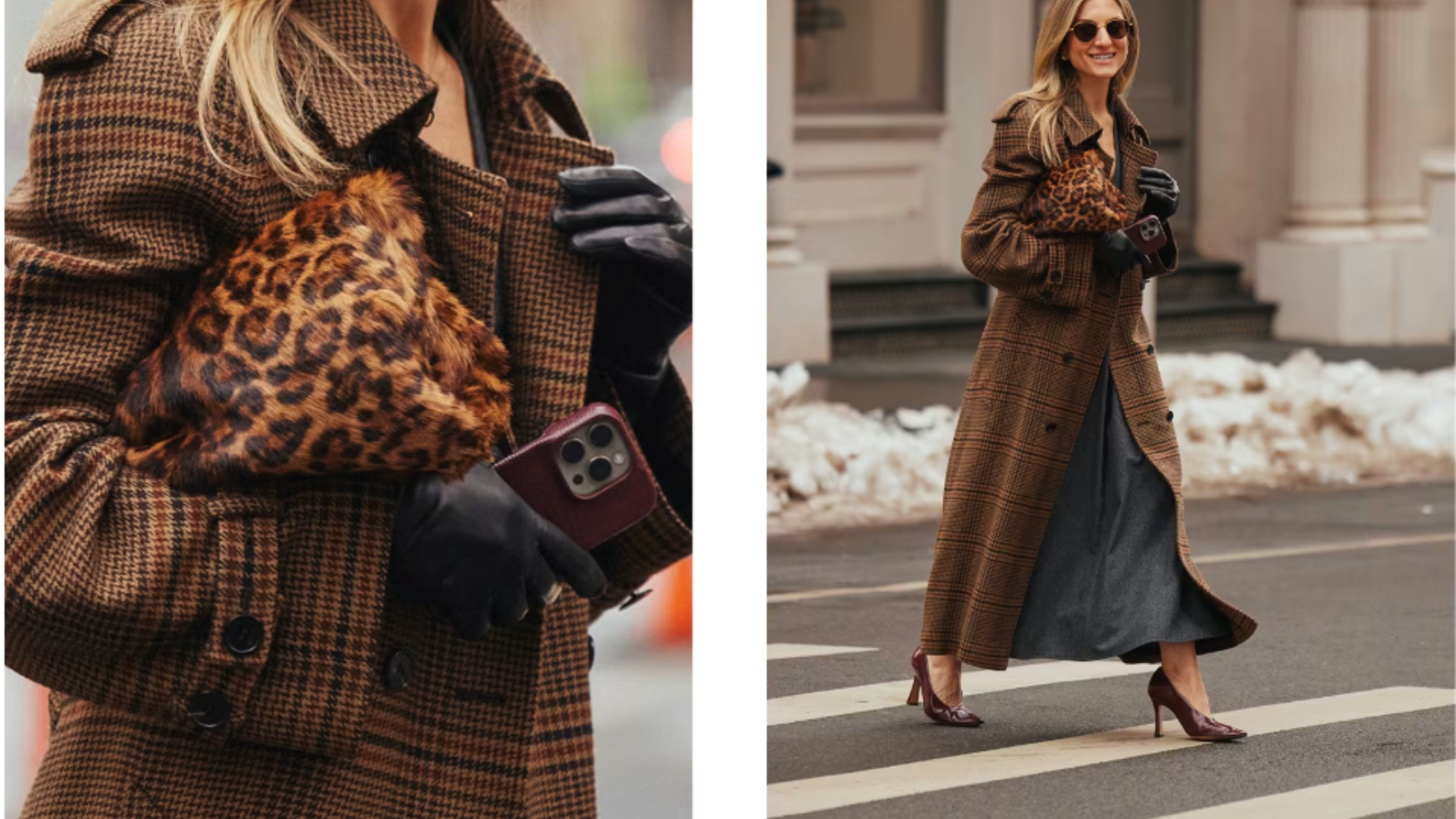
Last Call by Neiman Marcus occupies a fascinating niche: it's the clearance outlet arm of one of America's most prestigious luxury department stores, meaning everything inside has already been through the full Neiman Marcus curation process. What lands at Last Call is genuine Neiman-quality merchandise — from designer apparel and shoes to fine jewelry and handbags — that didn't sell through at full price and is now being offered at substantially reduced rates.
The in-store experience reflects its upscale DNA. Last Call locations are tastefully designed with the same attention to presentation that Neiman Marcus is known for. Online shopping is also available and frequently features additional markdown events that can bring prices down even further. For shoppers who want to invest in fewer, better pieces rather than filling a cart with cheap basics, Last Call represents a smart, strategic approach to budget luxury.
Prices vary widely depending on the brand and item type, but you'll commonly find designer clothing ranging from $50 to $400 after markdown — pieces that would have originally sold for two to four times that amount. It's a niche option that isn't for every type of shopper, but for those who appreciate the heritage and quality of the Neiman Marcus brand, it's an exceptional value channel.
Pros:
Curated luxury merchandise directly from Neiman Marcus
Elegant store experience and presentation
Online platform with periodic deep discount events
Access to fine jewelry and accessories at reduced prices
Ideal for investment and special occasion purchases
Cons:
Very high price floor relative to most budget shoppers' comfort
Limited number of physical store locations
Inventory availability can be unpredictable
Not ideal for casual or everyday clothing needs
Older season merchandise may feel dated in style
8. Century 21 — Best for Iconic New York-Style Designer Bargains
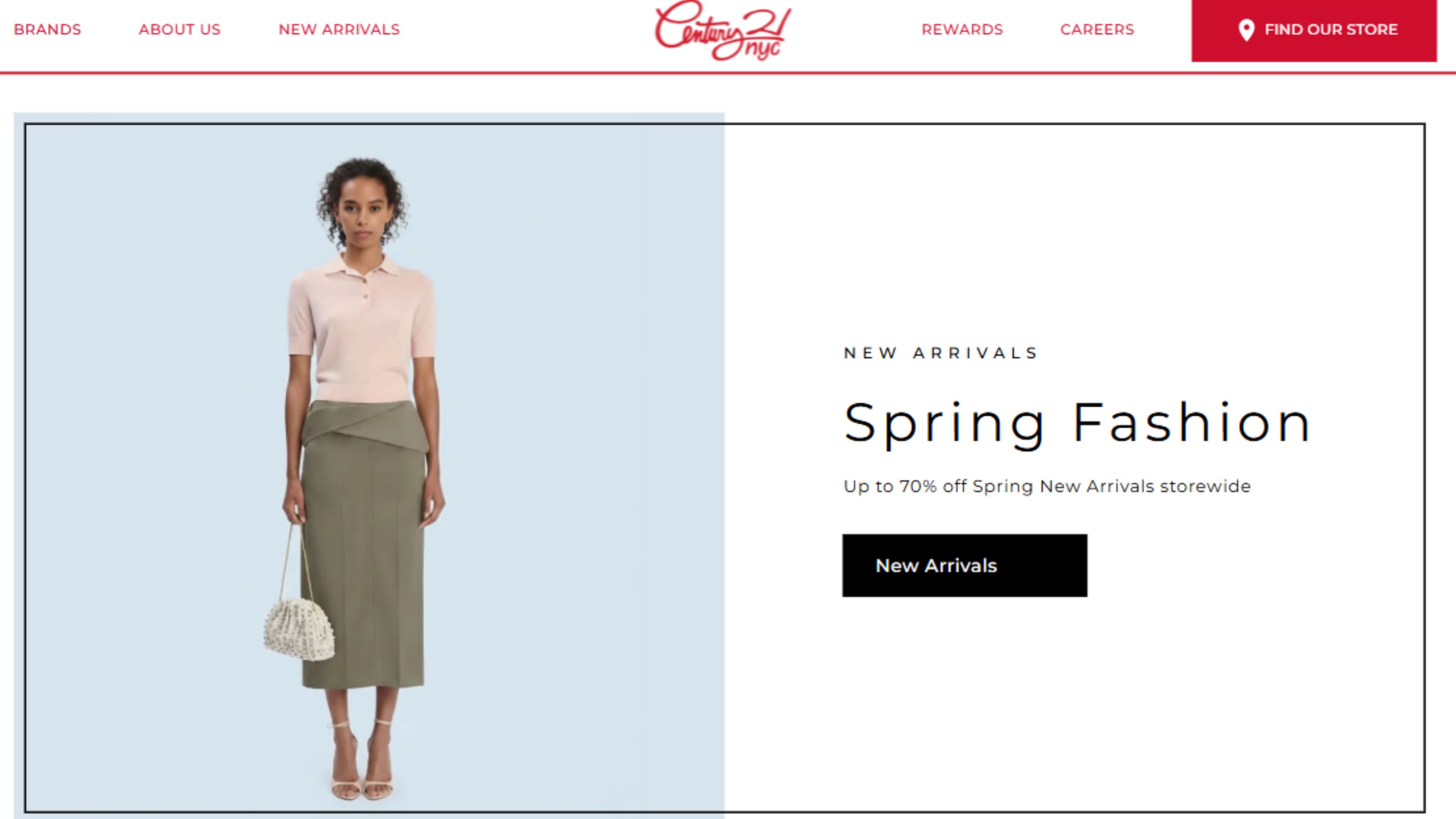
Century 21 is a New York institution with a devoted following that has spread to other major metro areas across the country. Known for its dense, eclectic mix of international and domestic designer brands, Century 21 brings a uniquely cosmopolitan energy to the off-price shopping world. If you've ever wandered through a packed Manhattan shopping experience and loved every chaotic, discovery-filled second of it, Century 21 was designed for you.
The store carries an impressive range of European and American designer labels — from DKNY and Karl Lagerfeld to more accessible names like Calvin Klein and Tommy Hilfiger — often at 40% to 65% off retail. Century 21 is particularly strong in shoes, lingerie, and athletic wear, and its accessories sections are a treasure trove for bag lovers and accessory collectors. After closing during the pandemic, the brand has made a comeback and continues to grow its presence both in-store and online.
Prices at Century 21 are competitive with other off-price leaders, with everyday pieces starting around $15 and designer items ranging up to $200 or more before markdowns. The experience rewards patient, exploratory shoppers who enjoy the hunt rather than those seeking a quick, in-and-out trip.
Pros:
Strong international and domestic designer brand presence
Excellent shoes, accessories, and lingerie selections
Energetic, discovery-driven shopping atmosphere
Good online platform alongside physical locations
Competitive pricing across multiple designer tiers
Cons:
Stores can be extremely crowded and hectic
Best suited to metro area shoppers — limited nationwide locations
Organization can make finding specific items difficult
Best deals require time and patience to uncover
Comeback after closure means inventory is still rebuilding in some locations
9. H&M — Best for Trendy Fast Fashion on an Extremely Tight Budget
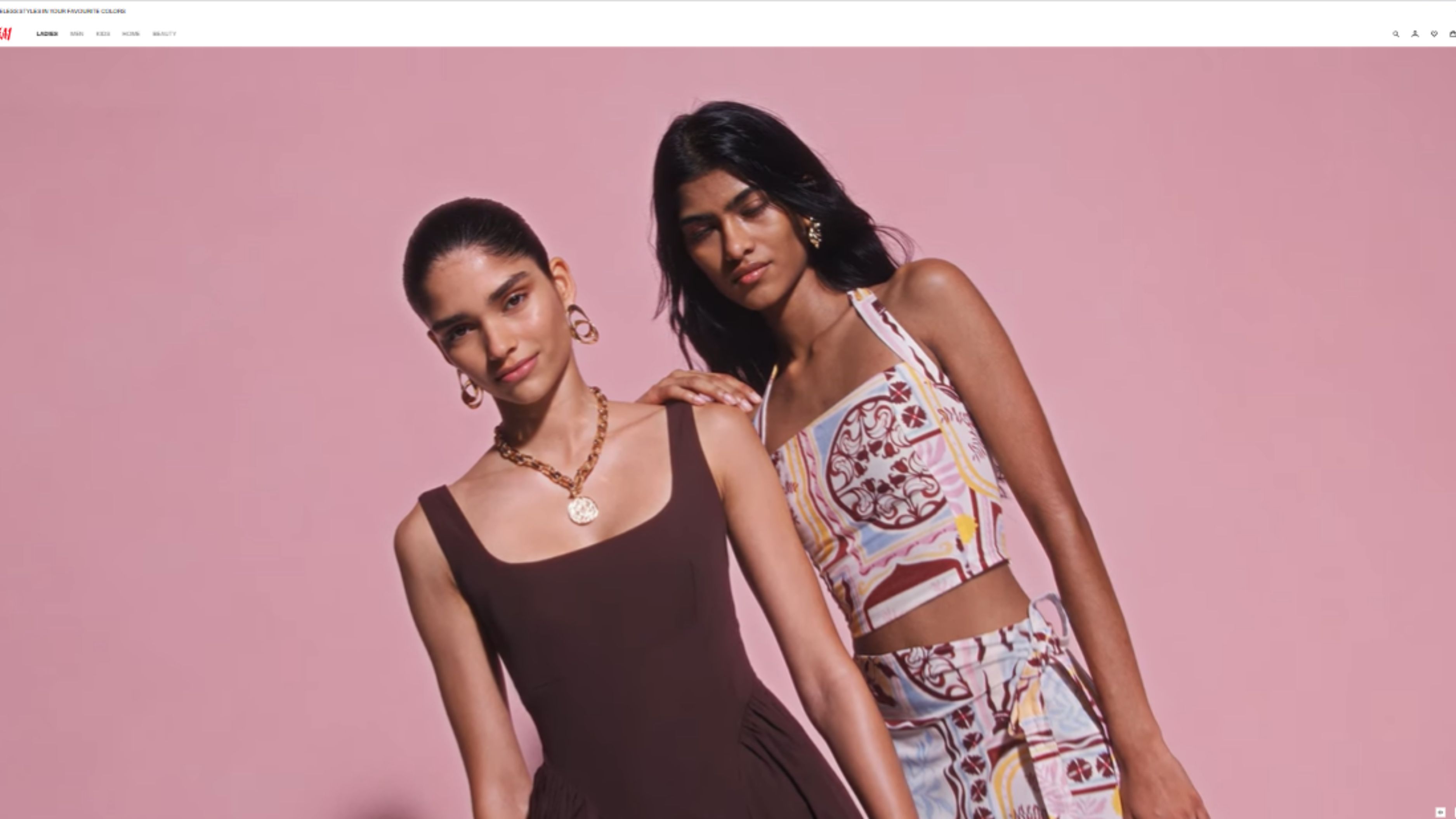
H&M operates on a completely different model from the other stores on this list — rather than selling off-price designer merchandise, it produces its own trendy, fashion-forward clothing at consistently low prices. But what H&M lacks in luxury brand names, it more than makes up for in style, accessibility, and affordability. If your goal is to look polished and on-trend while spending as little as possible, H&M is arguably the smartest option available.
The Swedish fast-fashion giant releases new collections constantly, keeping its inventory aligned with current runway and street style trends. H&M also runs frequent sales and promotions, and its membership program — H&M Club — offers members early access to deals and exclusive discounts. The brand has also made meaningful investments in its Conscious Collection, which uses sustainably sourced materials and gives budget shoppers an eco-friendlier option without a major price premium.
Prices at H&M are genuinely some of the lowest in the industry for new clothing. Basic tees start as low as $6 to $10, dresses range from $20 to $60, and even outerwear typically stays under $80. The trade-off is that H&M pieces aren't built to the same durability standards as designer merchandise, but for trend-driven, seasonal pieces, the value is undeniable.
Pros:
Extremely low prices on trend-forward clothing
New collections drop frequently to stay current with fashion trends
Strong online platform with easy shopping and returns
Sustainability-focused Conscious Collection available
Sizes range from XS to 4XL in many styles
Cons:
Not genuine designer or luxury merchandise
Garment quality and durability can be inconsistent
Fast fashion model raises sustainability concerns beyond the Conscious line
Sizing can run small or inconsistently across styles
Trendy pieces may feel dated quickly
10. ThredUp — Best for Sustainable Secondhand Designer Shopping Online
ThredUp is the only fully online option on this list, and it represents a genuinely different approach to affordable designer fashion. As one of the largest online consignment and thrift stores in the United States, ThredUp allows shoppers to buy gently used clothing — including thousands of designer and premium brand pieces — at dramatically reduced prices while also giving those garments a second life instead of ending up in a landfill.
The platform is impressively well-organized for a secondhand marketplace. You can filter by brand, size, color, condition, and price, making it far easier to find exactly what you're looking for than digging through racks at a physical store. ThredUp carries an enormous range of brands, from everyday labels like Gap and J.Crew up to designer names like Kate Spade, Tory Burch, and even the occasional luxury piece. Condition ratings are clearly labeled so you know exactly what you're getting before you buy.
Prices on ThredUp can be shockingly low — designer tops for $8, brand-name jeans for $15, and premium handbags for a fraction of their retail cost. The sustainability angle also appeals strongly to environmentally conscious shoppers who want to refresh their wardrobes without contributing to the overproduction problem in the fashion industry. Shipping and return policies vary, so it's worth reading the fine print before your first order.
Pros:
Enormous online selection of secondhand designer and premium brands
Highly filterable search makes finding specific items easy
Among the lowest prices available for name-brand clothing
Strong sustainability and environmental benefit
Condition of each item is clearly rated and described
Cons:
No physical store — online only
Returns can be more complicated than traditional retail
Inventory is one-of-a-kind, so sizes sell out permanently
Shipping times can vary
Quality depends on condition of individual secondhand items
Your Quick Guide to Discount Clothing Shopping
What Is Off-Price and Discount Clothing Retail?
Off-price and discount clothing retail refers to stores that sell brand-name or designer clothing at prices below the original manufacturer's suggested retail price (MSRP). These retailers acquire merchandise through a variety of channels — including overstock from department stores, end-of-season leftovers, and goods produced specifically for the off-price market — and pass those savings along to the customer. Secondhand and consignment stores like ThredUp work differently, reselling pre-owned clothing at reduced prices rather than sourcing new overstock merchandise.
Benefits of Shopping at Discount Clothing Stores
The most obvious benefit is the savings — and they can be substantial, often reaching 30% to 70% off what you'd pay at a full-price department store or brand boutique. But the advantages go beyond just price. Discount shopping encourages a more mindful, intentional approach to building a wardrobe since you're evaluating pieces based on genuine value rather than marketing pressure. For shoppers interested in sustainability, secondhand options like ThredUp offer the added benefit of reducing clothing waste. And for fashion lovers, the treasure-hunt element of off-price shopping adds a layer of excitement that a straightforward department store simply can't replicate.
What to Look for When Choosing a Discount Clothing Store
Brand selection: Consider whether the store carries the specific types of brands you're looking for — whether that's ultra-luxury labels, popular mid-tier brands, or simply reliable everyday staples.
Price range: Make sure the store's pricing aligns with your actual budget. Nordstrom Rack and Saks Off 5th still require a meaningful spend even at discounted prices, while Ross and H&M are built for the tightest budgets.
Shopping format: Decide whether you prefer in-store or online shopping. Marshalls and Ross are entirely in-store experiences, while ThredUp is online-only, and options like TJ Maxx and Nordstrom Rack offer both.
Return policy: Discount retailers vary significantly in how flexible their return policies are. Check before you buy, especially for higher-priced items.
Inventory frequency: If you enjoy the thrill of discovering new finds, prioritize stores like Marshalls and TJ Maxx that restock frequently. If you prefer a more consistent, curated selection, Nordstrom Rack or ThredUp may suit you better.
Frequently Asked Questions
Q: Are the designer items at discount stores like Marshalls and TJ Maxx authentic?
Yes — the designer and brand-name items sold at off-price retailers like Marshalls, TJ Maxx, and Nordstrom Rack are genuine, authentic merchandise. These stores acquire goods directly from brands and authorized suppliers, not from counterfeit sources. Always check the quality and tags carefully, but you can shop with confidence that the name-brand items are the real deal.
Q: Why are prices so much lower at off-price stores?
Off-price retailers typically purchase overstock, end-of-season, or excess inventory from brands and department stores at reduced wholesale prices, then pass those savings on to shoppers. Some stores also receive merchandise produced specifically for the off-price channel. Either way, the business model is built around moving large volumes of inventory quickly at lower margins rather than selling premium at full price.
Q: Is it better to shop in-store or online at discount retailers?
It depends on the store and what you're looking for. For stores like Marshalls and Ross, the in-store experience is essential since their best deals and most unique finds aren't available online. For stores like Nordstrom Rack and ThredUp, the online platforms are robust and frequently feature exclusive web-only sales and flash events that can offer even better deals than the physical stores.
Q: How often do discount stores get new inventory?
Most off-price retailers like Marshalls, TJ Maxx, and Ross receive new shipments multiple times per week, which is why frequent visits are rewarded with better finds. The inventory is not replenished in the traditional retail sense — when something sells out, it's typically gone for good, which is what makes shopping these stores feel like a treasure hunt.