Investing in quality outdoor clothing from brands that have proven themselves in real-world conditions is one of the smartest decisions any outdoor enthusiast can make — whether you're a weekend hiker, a serious mountaineer, or simply someone who spends a lot of time outside in unpredictable weather. We evaluated dozens of outdoor clothing brands across every performance tier and price point to bring you the ten that genuinely justify the investment. Here's what we found.
Top 10 Best Outdoor Clothing Brands
Patagonia – Best for sustainability-focused performance and lifetime durability
The North Face – Best for all-around outdoor versatility across every discipline
Columbia – Best for accessible performance technology at mid-range prices
Arc'teryx – Best for technical precision and elite-level alpine performance
REI Co-op – Best for value-driven outdoor clothing with member benefits
Mountain Hardwear – Best for serious mountaineering and extreme weather protection
Outdoor Research – Best for purpose-built technical gear and glove specialists
Fjällräven – Best for Scandinavian durability and timeless outdoor style
Smartwool – Best for merino wool base layers and temperature-regulating performance
Icebreaker – Best for natural fiber performance with strong sustainability credentials
Methodology
To build this list, we evaluated each brand across six core criteria that matter most to outdoor clothing shoppers making real investment decisions.
Performance and technical quality was weighted most heavily — we assessed each brand's core technology, fabric innovation, and field-tested performance across their primary use categories. Durability and longevity was evaluated based on brand reputation, materials quality, construction standards, and warranty policies, since a truly worthwhile investment needs to last. Price-to-value ratio considered what each brand delivers relative to its cost across its product range. Sustainability and ethical manufacturing was assessed given its growing importance to outdoor consumers and its connection to long-term brand integrity. Warranty and customer support was reviewed since a strong guarantee is a direct reflection of a brand's confidence in its own products. Finally, breadth of range considered whether the brand covers the full spectrum of outdoor clothing needs or specializes in a narrower niche.
Detailed Brand Reviews
1. Patagonia — Best for Sustainability-Focused Performance and Lifetime Durability
Best for: Environmentally conscious outdoor enthusiasts across hiking, climbing, skiing, and everyday wear Pricing from: ~$45 for base layers / ~$150 for fleeces / ~$300–$600 for shells and insulated jackets
Patagonia has earned a position at the top of the outdoor clothing world not just through exceptional product quality, but through a genuinely unprecedented commitment to environmental responsibility. In 2022, founder Yvon Chouinard transferred ownership of the company to a nonprofit environmental trust — a decision that cemented Patagonia's status as a brand that truly backs up its values with action, not just marketing. The company donates 1% of all sales to environmental causes, uses recycled and responsibly sourced materials across much of its range, and operates the Worn Wear repair program to extend the life of its products rather than encouraging replacement.
On the performance side, Patagonia delivers consistently across its broad product range. The Nano Puff and Down Sweater insulated jackets have become iconic pieces trusted by outdoor enthusiasts worldwide. The R-series fleece lineup sets the standard for midlayer performance. And Patagonia's hard shells — built with Gore-Tex and proprietary H2No Performance Standard fabrics — offer serious weather protection at price points below Arc'teryx while outperforming most competitors. The brand covers everything from technical alpine climbing to trail running, surfing, fly fishing, and everyday casual wear with equal credibility.
Perhaps most importantly, Patagonia backs its products with an Ironclad Guarantee — the brand will repair, replace, or refund any product that fails to perform to its standards, regardless of age. For shoppers who view outdoor clothing as a long-term investment rather than a seasonal purchase, that guarantee changes the entire value equation.
Pros:
Ironclad Guarantee covers repairs and replacements regardless of product age
Industry-leading environmental and ethical manufacturing commitments
Worn Wear repair program extends product life significantly
Exceptional breadth of range across virtually every outdoor discipline
Strong resale value — Patagonia pieces hold their value well
Cons:
Premium pricing across most of the range
Some technical products are outperformed by Arc'teryx at the extreme end
Popular styles frequently sell out and aren't always restocked quickly
The brand's strong political identity isn't for everyone
Sizing can run slim on some styles
2. The North Face — Best for All-Around Outdoor Versatility Across Every Discipline
Best for: Outdoor enthusiasts who want one trusted brand to cover hiking, skiing, climbing, and everyday use Pricing from: ~$40 for base layers / ~$120 for fleeces / ~$250–$700 for shells and insulated outerwear
The North Face has built one of the most recognized brand identities in outdoor clothing over more than 50 years of operation, and its continued dominance isn't simply about marketing. TNF's product range is genuinely one of the broadest and most technically capable in the industry, covering everything from entry-level hiking gear to SUMMIT Series technical mountaineering equipment designed for the world's most challenging environments. Few brands can credibly claim to serve both a casual weekend hiker and an Everest expedition climber — The North Face is one of them.
The brand's technology portfolio is deep and consistently impressive. FUTURELIGHT fabric represents a genuine advancement in waterproof-breathable technology, offering exceptional performance in demanding conditions. The ThermoBall insulation system provides packable warmth comparable to down even when wet — a meaningful advantage in unpredictable outdoor environments. And the Ventrix active insulation lineup is specifically engineered for high-output activities where temperature regulation matters as much as warmth. TNF's partnership with Gore-Tex across much of its shell lineup also provides a benchmark of waterproof reliability that outdoor enthusiasts trust.
The North Face also benefits from extraordinary retail availability, making it easy to find, try on, and purchase both in-store and online. The brand's XPLR Pass loyalty program rewards purchases with points and offers members early access to new products and exclusive styles. At the premium end, the SUMMIT Series and Black Series collections deliver performance that genuinely competes with Arc'teryx and Mountain Hardwear at the highest technical level.
Pros:
Unmatched product range covering every outdoor activity and performance tier
FUTURELIGHT and Gore-Tex technology across key shell products
ThermoBall insulation performs when wet — a critical advantage
Widely available in stores and online with excellent customer support
XPLR Pass loyalty program adds value for regular purchasers
Cons:
Brand ubiquity means less exclusivity than Arc'teryx or Patagonia
Entry-level products can feel less premium than the price suggests
Some critics argue quality has softened as the brand has scaled
Heavier than comparable Arc'teryx products at the technical end
Sustainability commitments lag behind Patagonia's standards
3. Columbia — Best for Accessible Performance Technology at Mid-Range Prices
Best for: Value-conscious outdoor enthusiasts, families, and casual adventurers seeking reliable performance Pricing from: ~$30 for base layers / ~$80 for fleeces / ~$150–$350 for shells and insulated jackets
Columbia Sportswear occupies a critically important position in the outdoor clothing market — it's the brand that makes genuine performance technology accessible to shoppers who want real outdoor capability without spending Arc'teryx or Patagonia prices. Founded in Portland, Oregon in 1938, Columbia has built a decades-long track record of developing proprietary fabric technologies that deliver meaningful performance at price points most outdoor enthusiasts can realistically afford. This combination of accessibility and genuine innovation is what keeps Columbia relevant alongside significantly more expensive competitors.
The brand's technology lineup is more impressive than its mid-market pricing might suggest. Omni-Heat Reflective thermal lining — the silver dot pattern you'll recognize immediately — is a genuinely effective heat-retention system that reflects body warmth back toward the wearer rather than simply insulating against cold. Omni-Tech waterproof-breathable fabric delivers reliable weather protection across the brand's shell lineup. And Omni-Shield water and stain repellency extends the functional life of Columbia's lighter outerwear in unpredictable conditions. These aren't marketing terms — they're functional technologies that have been refined over decades of real-world use.
Columbia is also one of the strongest brands on this list for family outdoor clothing, with extensive kids' and youth lines that bring the same performance technologies to younger adventurers at appropriately scaled price points. The brand's broader range includes footwear, accessories, and fishing and hunting-specific apparel alongside its core hiking and outdoor lineup, making it a genuinely versatile one-brand solution for families who spend time outside together.
Pros:
Genuine performance technology at the most accessible price points on this list
Omni-Heat Reflective is a proven and effective thermal retention system
Outstanding kids' and family outdoor clothing range
Very wide retail availability across the country
Strong value retention — Columbia pieces perform well relative to cost
Cons:
Technical ceiling is below Patagonia, The North Face, and Arc'teryx
Build quality and material feel can reflect the lower price point
Less suitable for extreme or highly technical outdoor pursuits
Sustainability credentials are less developed than premium competitors
Warranty terms are less generous than Patagonia's Ironclad Guarantee
4. Arc'teryx — Best for Technical Precision and Elite-Level Alpine Performance
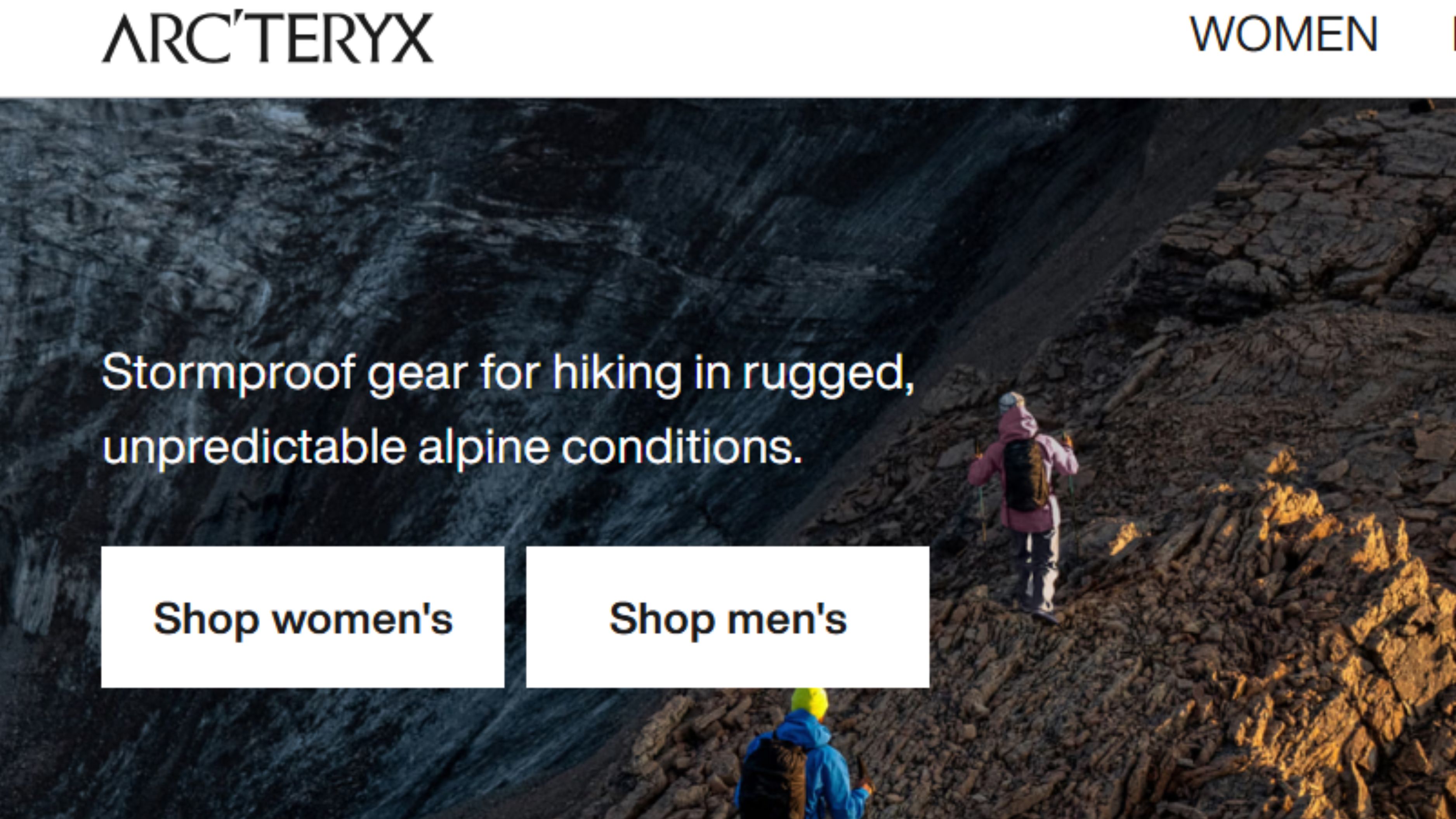
Best for: Serious mountaineers, alpine climbers, skiers, and outdoor professionals who demand the absolute best Pricing from: ~$80 for base layers / ~$200 for fleeces / ~$500–$1,000+ for shells and insulated technical jackets
Arc'teryx exists in a category of its own. The Canadian brand, founded in Vancouver in 1989 and named after the prehistoric bird Archaeopteryx, has built an uncompromising reputation for producing some of the most technically precise, functionally elegant outdoor clothing on the planet. Every design decision at Arc'teryx is driven by function — weight savings, articulation, weather-sealing, and packability are optimized to a degree that goes beyond what any other brand on this list achieves consistently across its range. The result is clothing that feels designed with the precision of high-end engineering rather than traditional apparel manufacturing.
The materials and construction standards at Arc'teryx set the benchmark for the industry. The brand's flagship GORE-TEX Pro shell jackets — including the legendary Alpha SV and Beta AR models — represent the absolute pinnacle of waterproof-breathable hardshell technology, trusted by mountain guides, military special operations units, and elite athletes in environments where gear failure is simply not an option. The WormHole zipper garage system, laminate construction techniques, and articulated patterning that allows full range of motion without bulk are details that distinguish Arc'teryx from every competitor trying to work in the same space.
The investment required to outfit yourself in Arc'teryx gear is significant — there's no way around that. A single Gore-Tex Pro shell jacket can cost $700 to $900, and a complete technical layering system can easily exceed $1,500. But Arc'teryx's Limited Lifetime Warranty covers manufacturing defects, and the brand's repair program means that a well-cared-for Arc'teryx piece can last a decade or more of serious use. For professionals and serious enthusiasts who spend significant time in demanding conditions, the cost-per-use calculation over a long product life actually makes Arc'teryx highly defensible as a value proposition.
Pros:
Absolute best-in-class technical performance and construction precision
GORE-TEX Pro integration across flagship shell products
Limited Lifetime Warranty with professional repair program
Exceptional weight-to-performance ratio across the technical range
Trusted by mountain guides, military professionals, and elite athletes worldwide
Cons:
Highest price point on this list — a significant barrier for most shoppers
Premium pricing difficult to justify for casual or occasional outdoor use
Some lifestyle and urban styles are priced far above their functional value
Repair program wait times can be lengthy during peak seasons
The technical aesthetic doesn't translate as naturally to everyday casual wear
5. REI Co-op — Best for Value-Driven Outdoor Clothing With Member Benefits
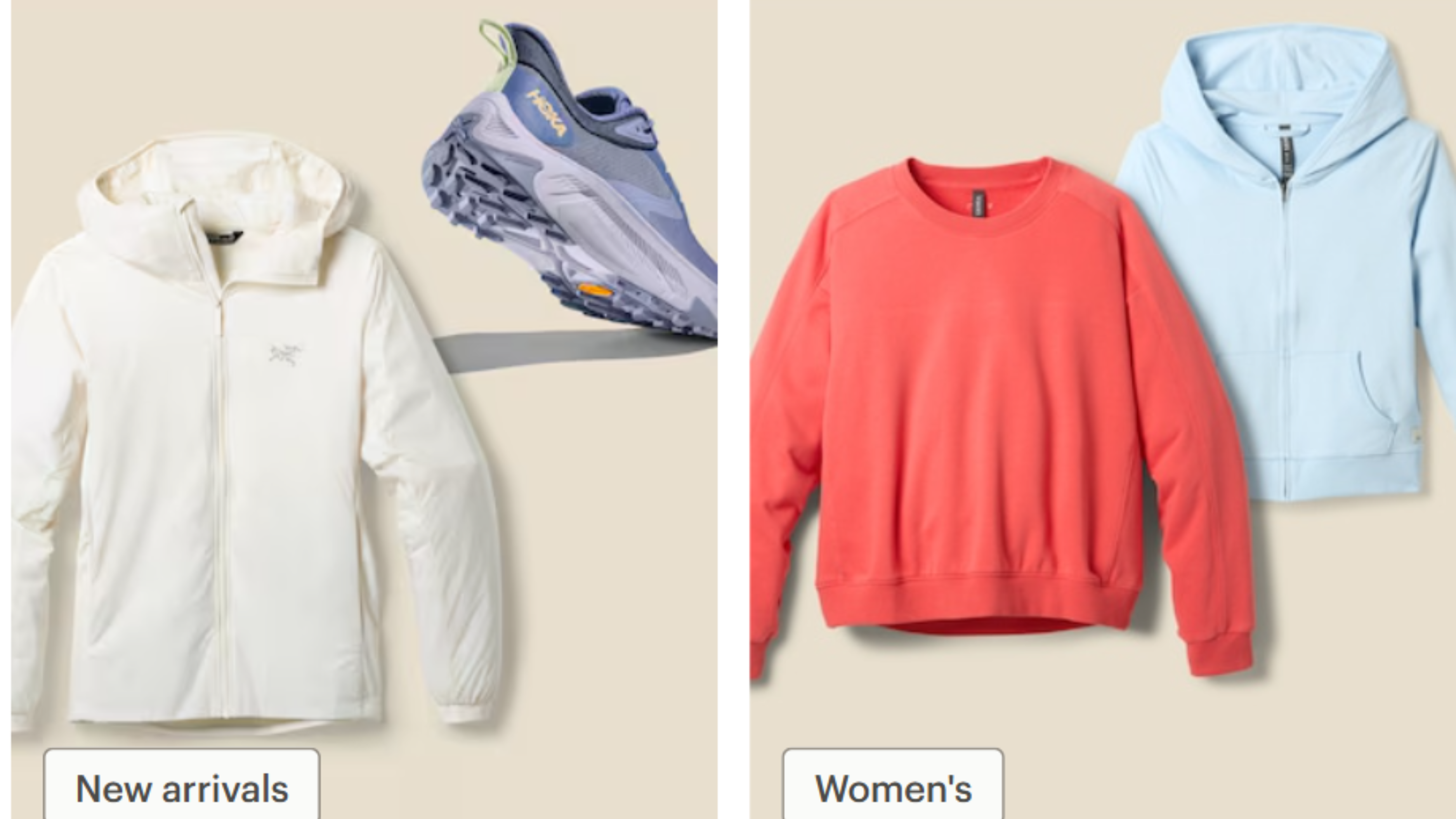
Best for: REI members, value-focused outdoor shoppers, and beginners building their first outdoor wardrobe Pricing from: ~$25 for base layers / ~$70 for fleeces / ~$150–$400 for shells and insulated outerwear
REI Co-op is unique on this list because it operates as a consumer cooperative — meaning members who pay a one-time $30 lifetime membership fee are technically co-owners of the business and share in its annual profits through dividend payouts. This cooperative model fundamentally changes the shopping dynamic. Rather than maximizing profit margins on its own private-label clothing, REI is structured to deliver maximum value to its member-owners, which translates directly into competitive pricing on its Co-op branded clothing alongside the broader retail selection of other outdoor brands.
The REI Co-op branded clothing line has improved dramatically over the past decade and now represents some of the best value in outdoor apparel at every performance tier. Co-op Rain Jacket series, Trailsmith hiking pants, and the Cooperative Fleece lineup deliver genuine performance at prices that are consistently 20% to 40% below comparable products from Patagonia or The North Face. REI Co-op gear is particularly well-regarded for hiking, backpacking, and general outdoor use — it may not compete at the extreme technical end with Arc'teryx or Mountain Hardwear, but for the vast majority of outdoor activities most people actually engage in, it performs extremely well.
The member dividend program is a meaningful financial benefit for regular shoppers. Members typically receive an annual dividend of around 10% of eligible purchases, which can add up to significant savings over time. REI also runs an annual Anniversary Sale and member-only promotions that extend savings across both Co-op branded and third-party products. The brand's commitment to sustainability — including repair services, gear rentals, and a used gear marketplace — adds further long-term value for members committed to reducing their environmental footprint.
Pros:
Outstanding value — Co-op branded gear performs well above its price point
Annual member dividend effectively reduces the real cost of purchases
One-time $30 lifetime membership fee delivers ongoing financial benefits
Sustainable practices including repair services and used gear marketplace
Excellent for building a comprehensive outdoor wardrobe at reasonable cost
Cons:
Co-op brand lacks the prestige and cachet of Patagonia or Arc'teryx
Technical performance ceiling is below premium competitors at the extreme end
Non-members miss out on the most compelling financial benefits
Annual dividend is only paid on REI Co-op branded and some eligible products
Store-branded gear may have lower resale value than premium brands
6. Mountain Hardwear — Best for Serious Mountaineering and Extreme Weather Protection
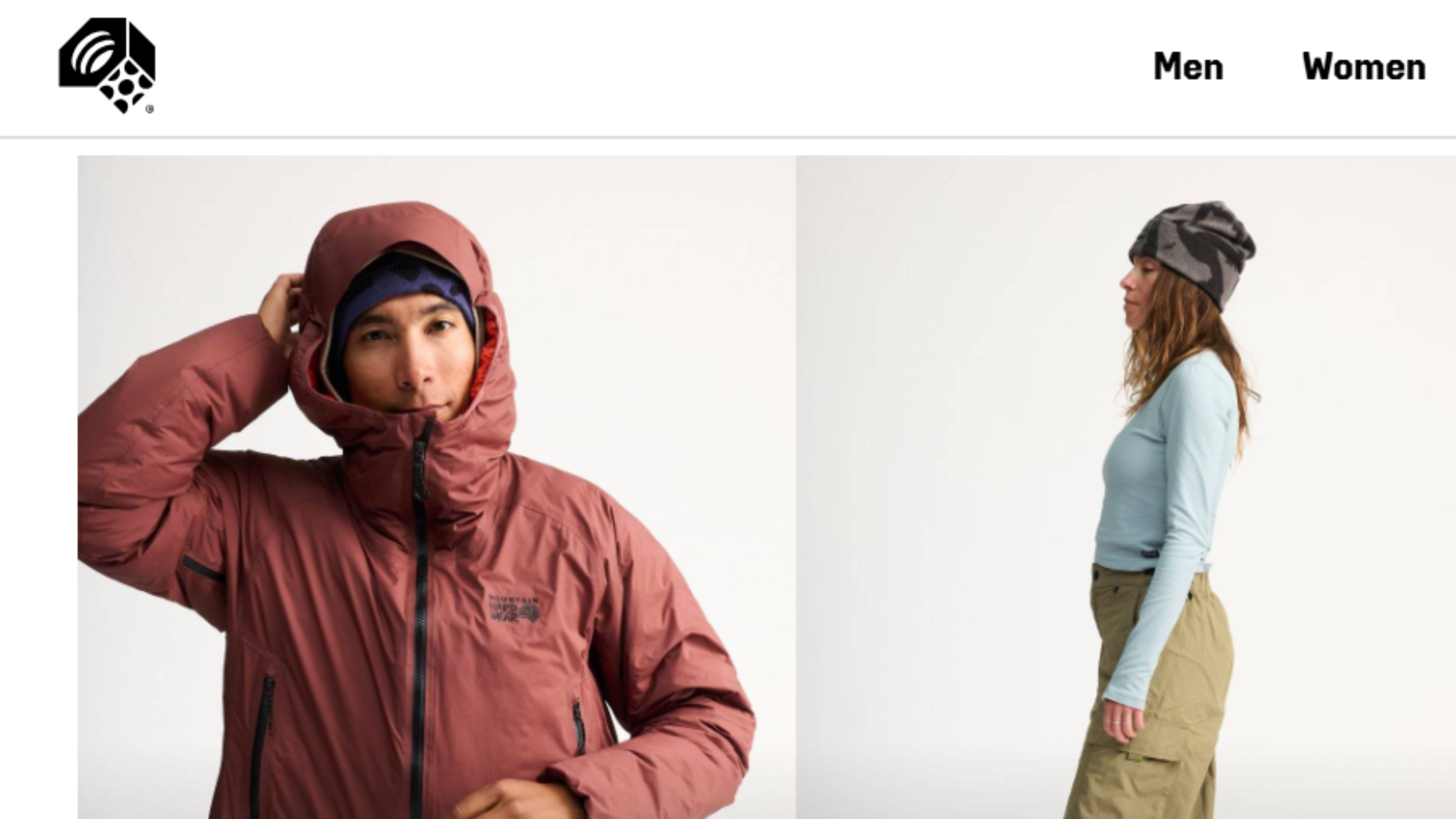
Best for: Technical mountaineers, alpine climbers, and expedition athletes in severe and unpredictable conditions Pricing from: ~$70 for base layers / ~$180 for fleeces / ~$400–$900 for technical shells and insulated jackets
Mountain Hardwear occupies a focused, serious niche in the outdoor clothing world — it builds gear specifically for people who climb, ski, and operate in genuinely harsh mountain environments where the stakes are high and the conditions are unforgiving. Founded in 1993 by former members of The North Face's technical team, Mountain Hardwear was created with a single-minded focus on technical performance for serious mountaineering, and that DNA remains embedded in the brand's approach today even as it has broadened its range slightly.
The brand's Dry.Q waterproof-breathable technology and extensive Gore-Tex integration across its shell lineup deliver exceptional weather protection in high-output alpine conditions. The Absolute Zero series represents some of the warmest insulated outerwear available from any brand on this list, using 800-fill certified goose down in a construction designed for extreme cold environments. Mountain Hardwear's technical climbing outerwear — including the Ghost Whisperer series — is among the lightest and most packable high-performance gear available, making it a favorite of expedition climbers where weight is a critical variable.
Mountain Hardwear also deserves recognition for its approach to design. Where some technical brands err on the side of over-engineering, Mountain Hardwear products tend to be thoughtfully streamlined — focused on delivering exactly the performance features serious users need without unnecessary complexity or weight. This functional minimalism is appreciated deeply by experienced outdoor athletes who know exactly what they need from their gear and don't want anything that compromises performance in the mountains.
Pros:
Purpose-built for serious mountaineering and alpine performance
Ghost Whisperer series sets benchmarks for ultralight packable warmth
Dry.Q and Gore-Tex technology deliver reliable extreme weather protection
Absolute Zero insulation range for genuinely cold environments
Trusted by professional mountaineers and expedition athletes
Cons:
Less versatile than The North Face or Patagonia for general outdoor use
Brand awareness is lower, which affects resale value and retail availability
Pricing reaches Arc'teryx levels on top technical products
Limited lifestyle and casual crossover appeal
Customer service and warranty program less prominent than Patagonia
7. Outdoor Research — Best for Purpose-Built Technical Gear and Glove Specialists
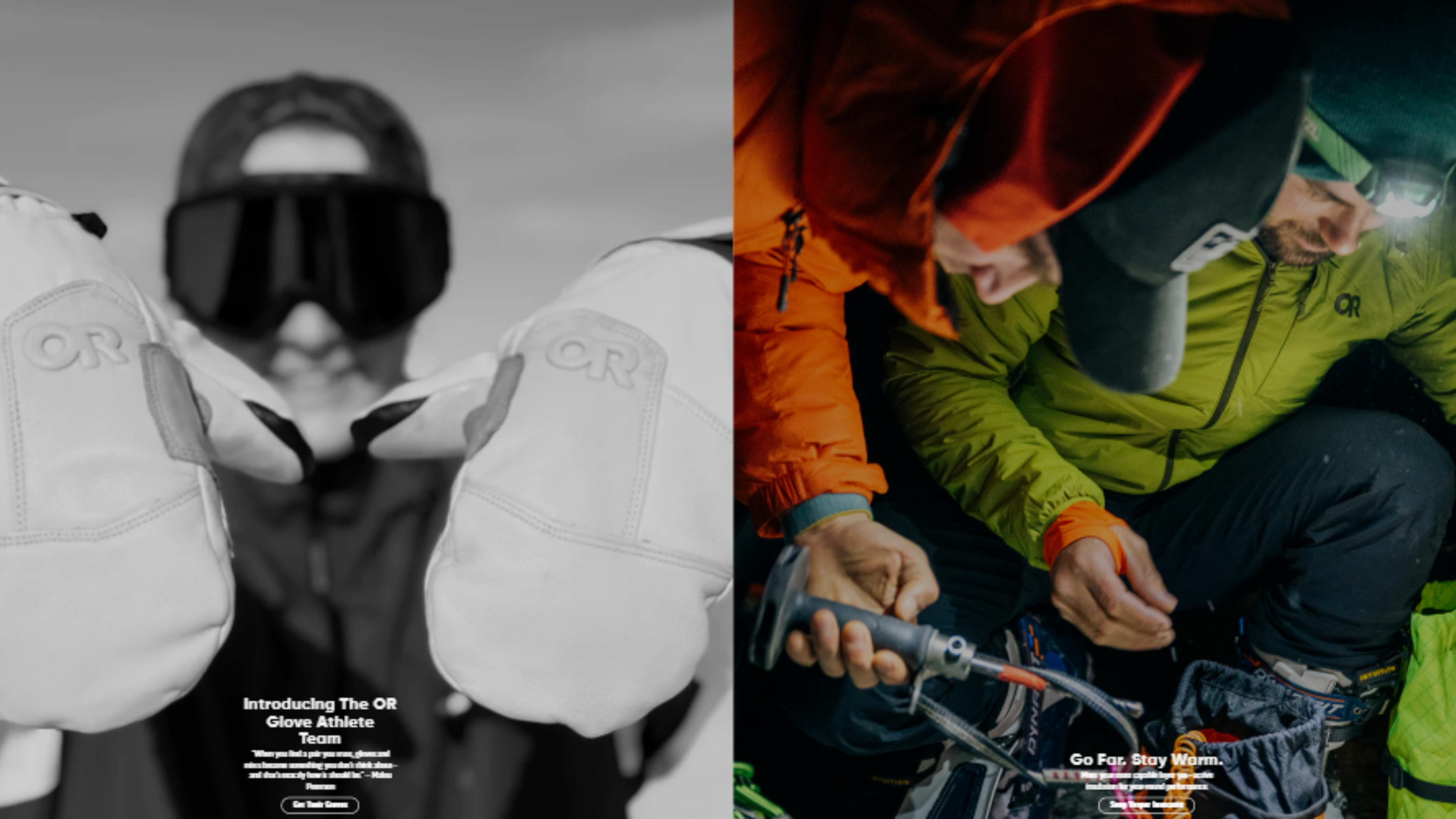
Best for: Technical climbers, backcountry skiers, mountaineers, and outdoor professionals needing specialized protection Pricing from: ~$50 for base layers / ~$100 for fleeces / ~$250–$600 for shells and technical outerwear
Outdoor Research — often simply called OR — is a brand that serious outdoor enthusiasts tend to discover and then never stop recommending. Founded in Seattle in 1981 after founder Ron Gregg survived a harrowing storm on Denali with inadequate gear, OR was literally built from a life-or-death motivation to create outdoor clothing that doesn't fail when conditions turn severe. That founding story still permeates the brand's design philosophy today — OR products are engineered with the kind of obsessive attention to real-world performance that only comes from a brand where outdoor professionals are deeply involved in the design process.
OR's gloves and mitts are widely considered the best in the outdoor industry — a claim few competitors can seriously challenge. The brand's extensive glove lineup covers everything from lightweight liner gloves and waterproof shell mitts to heated ski gloves and extreme cold mountaineering mitts, with a level of technical refinement and breadth of selection that no other brand matches. Beyond gloves, OR produces excellent Gore-Tex shells, fleece midlayers, hardshell bibs, and sun protection apparel for trail running and hiking — with a particular strength in weather protection for high-output alpine activities.
The brand's ActiveIce sun protection range for hiking in exposed conditions and its Helium Rain Jacket series — some of the lightest waterproof shells available at competitive price points — have earned devoted followings among trail runners and fastpacking enthusiasts. OR's Guarantee: Everything We Make is designed with your well-being in mind policy covers products against manufacturing defects and material failures, reflecting the brand's confidence in its own construction standards.
Pros:
Industry-leading glove and mitten selection — truly best in class
Founded by outdoor professionals with a genuine performance-first ethos
Helium Rain Jacket series offers exceptional lightweight protection at fair prices
Strong Gore-Tex shell lineup for alpine and mountaineering use
ActiveIce sun protection range excellent for desert and high-altitude hiking
Cons:
Lower brand recognition than Patagonia or The North Face
Lifestyle and casual crossover range is limited
Retail availability is narrower than major competitors
Less emphasis on sustainability compared to Patagonia or Icebreaker
Some products skew toward specialist users rather than general outdoor enthusiasts
8. Fjällräven — Best for Scandinavian Durability and Timeless Outdoor Style
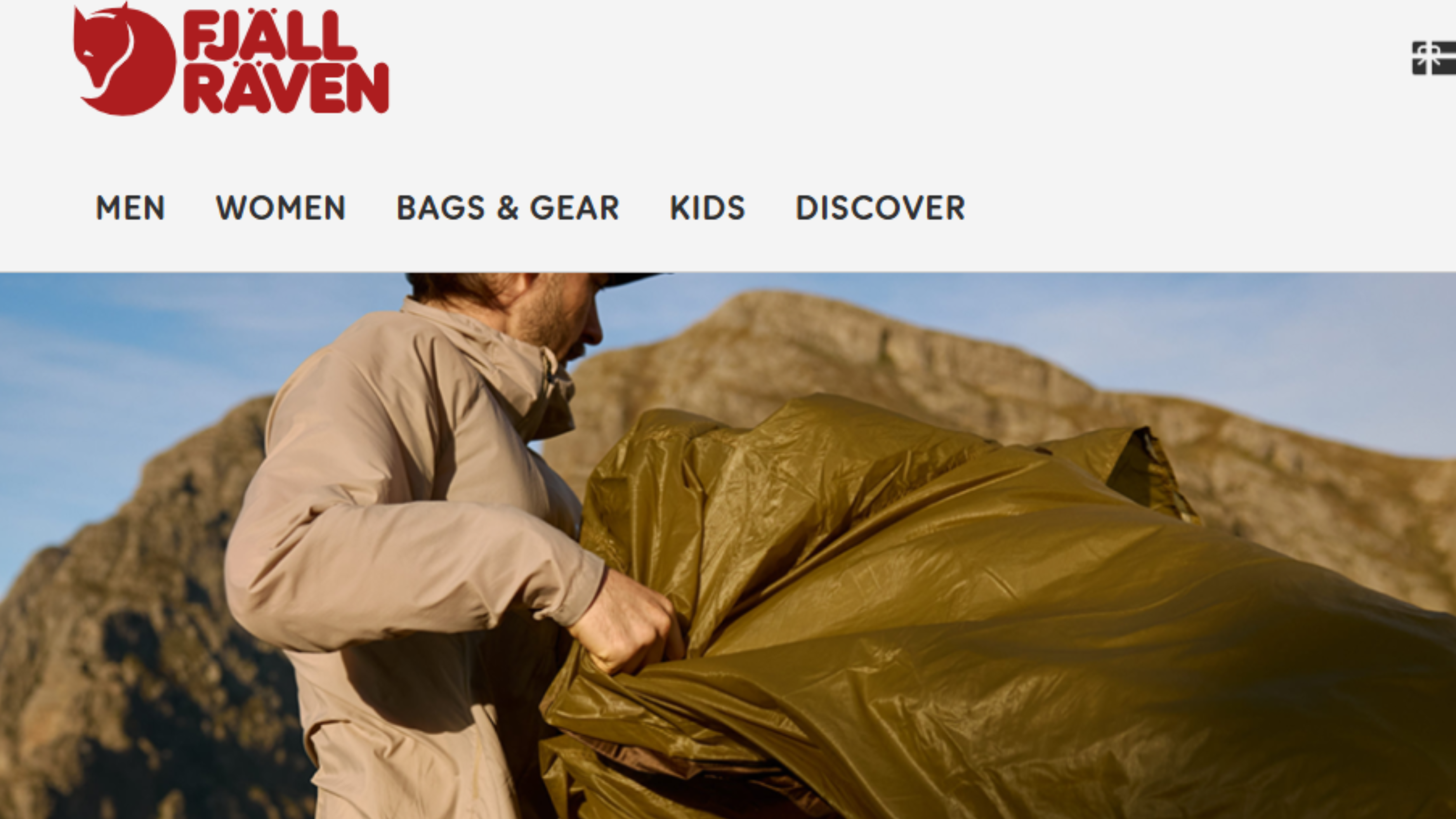
Best for: Outdoor lifestyle enthusiasts, hikers, travelers, and anyone who values timeless design alongside genuine field performance Pricing from: ~$60 for shirts and base layers / ~$150 for fleeces / ~$300–$600 for jackets and outerwear
Fjällräven is the Swedish outdoor brand that has quietly won over a global audience by doing something genuinely unusual in the outdoor industry — proving that outdoor clothing can be both technically credible and beautifully, timelessly designed without compromising either quality. The brand's iconic Kånken backpack is recognized worldwide, but its clothing — particularly the Fjällräven Jacket series and its signature G-1000 fabric — represents a genuinely distinct philosophy about what outdoor gear should be and how long it should last.
G-1000 is Fjällräven's most recognizable and distinctive material: a durable, wax-impregnated cotton-polyester blend that becomes more weather-resistant the more it's treated with the brand's Greenland Wax. Unlike synthetic waterproof membranes that degrade over time and eventually fail, G-1000 fabric can be re-waxed indefinitely, making it one of the most genuinely long-lasting outdoor fabric systems available. It's heavier than modern technical fabrics, but for hiking, trekking, and multi-day expeditions where extreme breathability matters less than durability and longevity, G-1000 is a compelling argument for going back to basics.
Fjällräven's commitment to sustainability is as genuine as Patagonia's, with the brand using responsibly sourced down, recycled materials, and organic cotton across much of its range. The Eco-Shell laminate offers Gore-Tex level waterproofing without the use of PFCs — a meaningful environmental distinction. Fjällräven clothing is particularly beloved by trekkers on long-distance trails like the Kungsleden and Appalachian Trail, where durability and reliability over many days matter more than maximizing performance metrics.
Pros:
G-1000 fabric is genuinely unique — infinitely re-waxable and extremely durable
Timeless, understated Scandinavian design ages exceptionally well
Strong sustainability credentials including PFC-free waterproofing
Excellent for multi-day trekking and long-distance trail use
Pieces transcend outdoor use and work equally well in everyday contexts
Cons:
G-1000 is heavier than modern synthetic technical fabrics
Less suitable for high-output activities requiring maximum breathability
Pricing is premium without matching Arc'teryx level technical performance
Limited athletic and high-performance activewear range
Retail locations can be limited outside of major urban areas
9. Smartwool — Best for Merino Wool Base Layers and Temperature-Regulating Performance
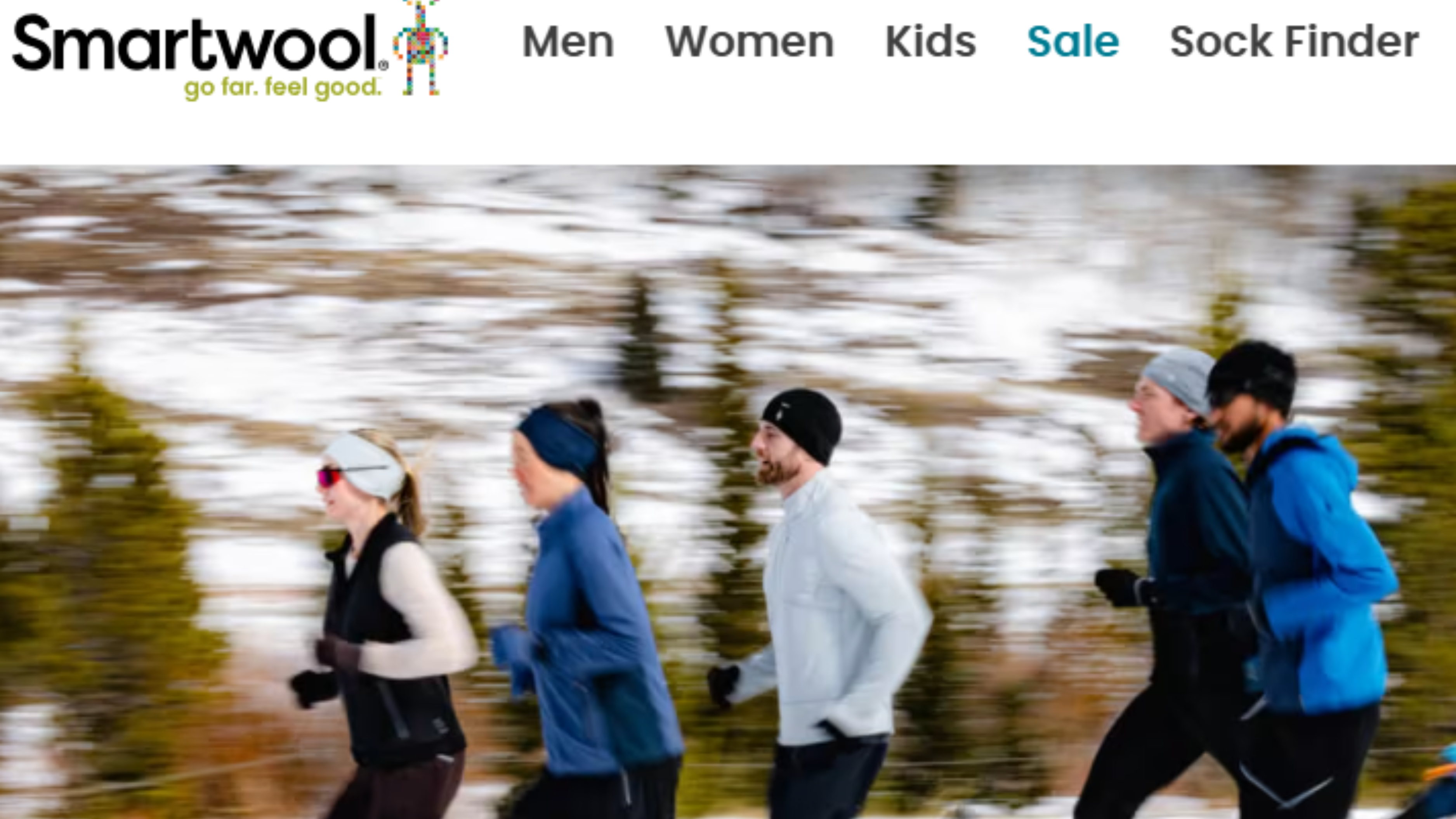
Best for: Hikers, backpackers, skiers, and travelers who need versatile, odor-resistant, temperature-regulating base layers Pricing from: ~$40 for lightweight base layer tops / ~$80 for midweight tops / ~$100–$180 for midlayer fleeces and hoodies
Smartwool built its entire brand around a single material conviction: that merino wool is the most technically versatile performance fiber available, and that modern outdoor clothing has underutilized it in favor of synthetic fabrics that are objectively inferior in several important performance categories. That conviction has proven prescient. Smartwool's merino-based base layers, midlayers, socks, and accessories have earned a devoted following among backpackers, skiers, trail runners, and travelers who have experienced firsthand the remarkable properties of high-quality merino wool in real-world conditions.
The case for merino over synthetic is compelling and well-supported. Merino wool regulates body temperature naturally in both cold and warm conditions, wicking moisture effectively while retaining warmth even when wet. It resists odor dramatically better than any synthetic fiber — a critical advantage for multi-day backcountry trips where laundry isn't an option. It's naturally soft against the skin, avoiding the itch associated with traditional wool, and it's biodegradable at end of life — a meaningful environmental advantage. Smartwool's products are designed to showcase all of these properties in modern, performance-oriented cuts and constructions.
Smartwool's range covers base layers in multiple weights — from 150g/m² ultralight for active use to 250g/m² midweight for cold conditions — as well as midlayer fleeces, hiking socks (which remain among the best-reviewed in the industry), and accessories like hats, gloves, and neck gaiters. The brand's Intraknit technology creates multi-zone construction within a single garment, varying the knit density to provide targeted support, stretch, and insulation where each is needed most.
Pros:
Merino wool provides natural temperature regulation in both cold and warm conditions
Outstanding odor resistance — far superior to any synthetic alternative
Naturally soft against skin with none of the itch of traditional wool
Biodegradable and sustainably sourced merino fiber
Best-in-class sock lineup beloved by hikers and outdoor enthusiasts
Cons:
Merino wool is more delicate than synthetic fabrics and requires careful washing
Higher price point than equivalent synthetic base layers
Dries more slowly than synthetic alternatives when fully saturated
Range is focused on base and midlayers — limited shell and outerwear options
Heavier than equivalent synthetic base layers at the same warmth level
10. Icebreaker — Best for Natural Fiber Performance With Strong Sustainability Credentials
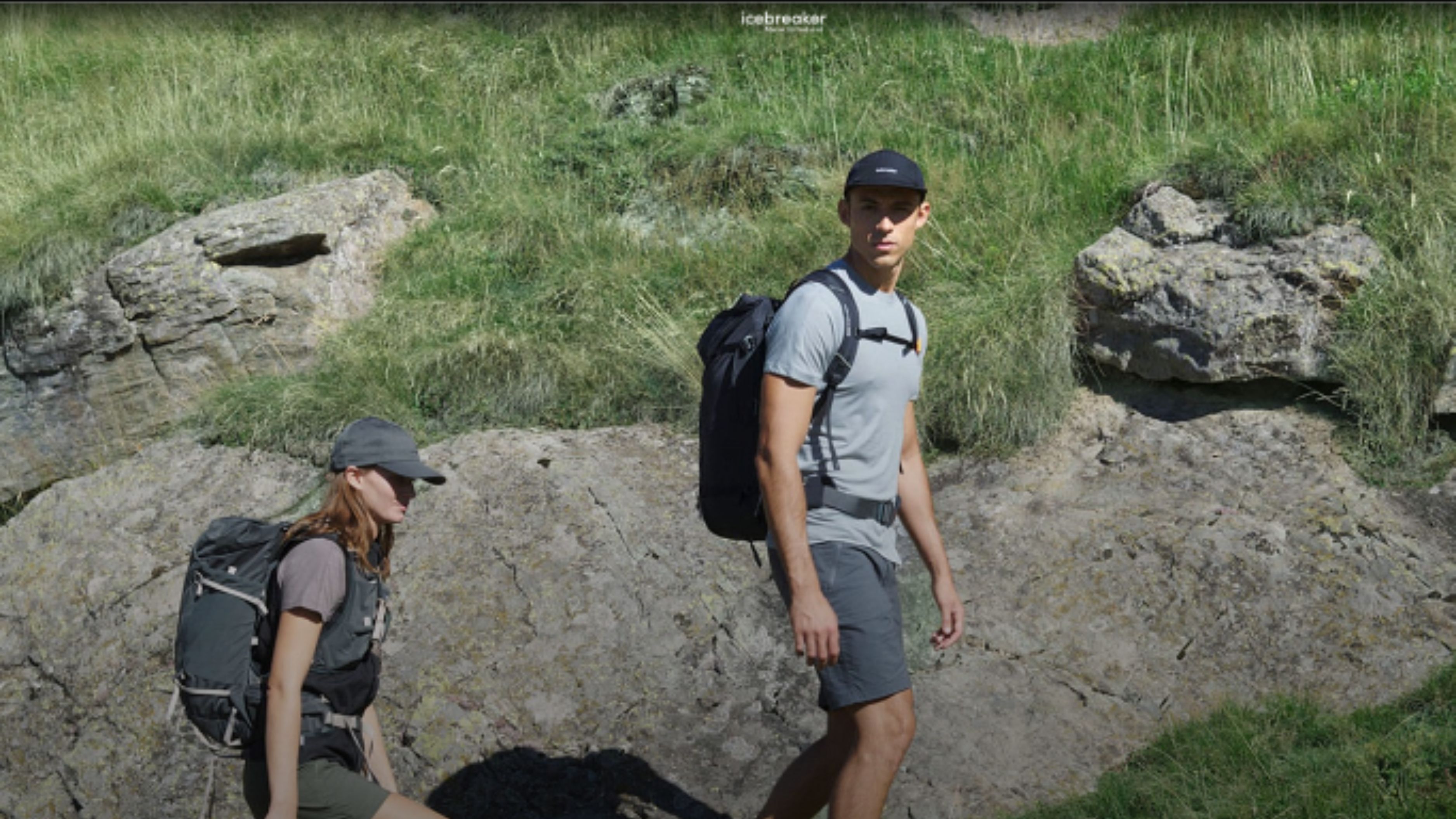
Best for: Eco-conscious outdoor enthusiasts, travelers, and active lifestyle shoppers seeking natural performance fabrics Pricing from: ~$50 for lightweight base layer tops / ~$90 for midweight tops / ~$120–$250 for midlayer and outerwear pieces
Icebreaker is the New Zealand brand that pioneered the modern merino wool performance clothing movement and continues to push the boundaries of what natural fibers can achieve in technical outdoor applications. Founded in 1994 after founder Jeremy Moon discovered the remarkable properties of New Zealand merino wool on a hiking trip, Icebreaker has spent three decades perfecting merino-based performance clothing while building one of the most transparent and verifiable supply chains in the outdoor industry.
What separates Icebreaker from Smartwool — its closest competitor in the merino space — is the brand's deeper integration of merino across a broader range of product types, including running, yoga, travel, and everyday lifestyle clothing alongside its core hiking and outdoor lineup. Icebreaker also leads the industry in supply chain transparency through its Baacode traceability program, which allows shoppers to trace any garment back to the specific farm in New Zealand where its merino fiber originated. This level of accountability is rare in the apparel industry and speaks directly to Icebreaker's commitment to ethical sourcing.
Icebreaker has also developed ZoneKnit technology, which creates engineered zones of varying fabric weight within a single garment — lighter and more breathable where heat builds, heavier and more insulating where warmth is needed. This approach mirrors Smartwool's Intraknit concept but applies it across a broader range of product categories. The brand's merino-TENCEL blends add natural softness and drape to its lifestyle-focused pieces, extending the brand's credibility beyond pure performance into genuine everyday wearability.
Pros:
Baacode traceability program offers genuine supply chain transparency
Broader lifestyle and travel range than most outdoor-focused merino brands
ZoneKnit technology provides intelligent zone-specific performance
Among the most credible sustainability stories in the outdoor industry
Merino-TENCEL blends extend natural fiber performance into lifestyle applications
Cons:
Premium pricing across the range
Merino fabric requires careful washing and handling to avoid shrinkage
More limited technical shell and outerwear offerings than broader outdoor brands
Dries more slowly than synthetic alternatives
Some lifestyle pieces are priced above their functional performance level
Brand Comparison Summary
Brand | Price Range | Best Performance Tier | Primary Use Case | Sustainability Standing |
Patagonia | High | All-around outdoor + lifestyle | Industry-leading | |
The North Face | High–Elite | All disciplines | Moderate | |
Columbia | –– –$ | Mid | Hiking, family, casual outdoor | Developing |
Arc'teryx | $$$$+ | Elite | Technical alpine, mountaineering | Good |
REI Co-op | –– –$$ | Mid–High | Hiking, backpacking, value shoppers | Good |
Mountain Hardwear | High–Elite | Mountaineering, expedition | Moderate | |
Outdoor Research | High | Climbing, skiing, gloves specialist | Moderate | |
Fjällräven | Mid–High | Trekking, travel, lifestyle | Strong | |
Smartwool | Mid–High | Base layers, hiking, skiing | Strong | |
Icebreaker | Mid–High | Base layers, travel, lifestyle | Industry-leading |
For the tightest budgets: Columbia and REI Co-op deliver the most performance per dollar. For all-around reliability: Patagonia and The North Face cover virtually every need with proven consistency. For elite technical performance: Arc'teryx and Mountain Hardwear are in a class of their own. For sustainability-first shoppers: Patagonia and Icebreaker lead the field. For natural fiber performance: Smartwool and Icebreaker are the definitive choices.
Buying Guide
Who Needs Quality Outdoor Clothing?
The honest answer is anyone who spends meaningful time outside in conditions that vary, change unpredictably, or involve physical exertion. That includes weekend hikers tackling day trails, backpackers on multi-day trips, skiers and snowboarders, trail runners, cyclists, kayakers, and anyone who works outdoors in professional capacities. Even urban commuters in cold or rainy climates benefit from outdoor-grade weather protection. The common thread is exposure to conditions where a failure in your clothing — whether that's getting soaked through a supposedly waterproof jacket, overheating in a poorly ventilated midlayer, or losing sensation in inadequately insulated hands — has real consequences for your comfort, safety, or enjoyment.
How the Layering System Works
Quality outdoor clothing is built around a three-layer system that manages moisture, insulation, and weather protection together rather than relying on a single garment to do everything. The base layer sits against your skin and wicks perspiration away from your body — this is where merino wool options from Smartwool and Icebreaker excel. The midlayer traps warm air close to your body and provides insulation — fleeces from Patagonia, The North Face, and Arc'teryx are the benchmark here. The outer shell provides protection from wind, rain, and snow while allowing moisture vapor from your body to escape — this is where Gore-Tex and proprietary waterproof-breathable technologies earn their premium price. Understanding this system helps you invest intelligently across all three layers rather than spending heavily on one while underinvesting in the others.
Key Features to Consider
Waterproof-breathable technology is the most critical feature in outer shells. Gore-Tex Pro represents the elite tier, while proprietary systems like Patagonia's H2No, Columbia's Omni-Tech, and Arc'teryx's GORE-TEX N40p offer varying levels of performance at different price points. Insulation type matters for warmth-to-weight ratio — down provides superior warmth per gram but loses effectiveness when wet, while synthetic insulation like PrimaLoft performs better in damp conditions. Seam construction and taping determines how
comprehensively a shell seals against water ingress — fully taped seams offer maximum protection, while critically taped seams cover only high-exposure areas at lower cost. Fit and articulation affects how freely you can move in technical terrain — look for articulated patterning and gusseted underarms in technical climbing and skiing outerwear. Weight and packability matter for fast-and-light pursuits where every gram counts.
Pricing Overview and Investment Strategy
Outdoor clothing spans an extraordinary price range — from $30 Columbia fleeces to $900 Arc'teryx Gore-Tex Pro shells. Understanding where to invest and where to save is the key to building a capable outdoor wardrobe without overspending.
Base layers ($40–$180): This is where investing in merino wool pays dividends. A $90 Smartwool midweight base layer will outperform a $30 synthetic alternative in odor management, comfort, and temperature regulation over years of use. The cost-per-use calculation strongly favors quality here.
Midlayers ($70–$300): Fleeces and insulated midlayers from Patagonia, The North Face, and REI Co-op offer outstanding value in the $100 to $200 range. You don't need to spend Arc'teryx prices to get an excellent midlayer.
Outer shells ($150–$900+): This is where your intended use case should drive your investment level most decisively. If you hike in all-weather conditions but rarely push into technical alpine terrain, a $300 Gore-Tex shell from Patagonia or The North Face will serve you extremely well. If you're guiding climbs or skiing steep backcountry terrain in serious conditions, the investment in Arc'teryx or Mountain Hardwear Gore-Tex Pro is genuinely justified.
There is no meaningful DIY alternative to quality outdoor clothing — the performance technologies involved in waterproof-breathable fabrics, technical insulation systems, and precision garment construction require industrial-scale manufacturing and years of material science development that simply cannot be replicated at home. The closest equivalent to a DIY approach is buying quality gear secondhand — Patagonia's Worn Wear platform, REI's used gear marketplace, and Poshmark all offer legitimate channels for purchasing quality outdoor clothing at meaningful discounts from original retail prices.
Frequently Asked Questions
Q: Is Arc'teryx really worth the price compared to Patagonia or The North Face? For most outdoor enthusiasts, the honest answer is probably no. Arc'teryx justifies its premium pricing through construction precision, material quality, and weight optimization that matters most in genuinely technical alpine environments. If you're mountaineering, ski touring in serious terrain, or working as an outdoor guide in demanding conditions, Arc'teryx's performance margin over Patagonia or TNF is real and defensible. For hiking, backpacking, casual skiing, and general outdoor use, the performance gap between a $350 Patagonia shell and a $750 Arc'teryx jacket won't translate into a meaningfully better experience on the trail.
Q: How long should quality outdoor clothing last with proper care? A well-maintained Patagonia, Arc'teryx, or The North Face shell jacket should last ten years or more of regular use with proper care. The most important maintenance practices are regular washing with technical outerwear wash products to restore DWR (Durable Water Repellent) coating, tumble drying on low heat to reactivate DWR treatment, and prompt repair of small tears before they expand. Patagonia and Arc'teryx both offer professional repair services that can extend product life significantly beyond what most shoppers expect from outdoor clothing.
Q: Is down or synthetic insulation better for outdoor jackets? It genuinely depends on the conditions you primarily face. Down insulation offers superior warmth-to-weight ratio and compressibility, making it ideal for cold, dry conditions and for activities where pack size and weight matter. Synthetic insulation — including PrimaLoft and Patagonia's PlumaFill — performs significantly better when wet, dries faster, and is more ethically straightforward than down sourcing. For most general outdoor use in variable conditions, a synthetic insulated jacket is the more versatile choice. For alpine mountaineering in cold and dry conditions, responsibly sourced down remains the performance benchmark.
Q: Can outdoor clothing brands be trusted on their sustainability claims? Sustainability claims in the outdoor industry range from genuinely transformative — Patagonia's ownership transfer to an environmental trust, Icebreaker's Baacode traceability program, and Fjällräven's PFC-free waterproofing — to largely superficial marketing language. The most reliable indicators of genuine sustainability commitment are third-party certifications (bluesign, Fair Trade, Responsible Down Standard, B Corp status), transparent supply chain reporting, repair and take-back programs that extend product life, and brands whose founding missions are demonstrably connected to environmental outcomes. Patagonia and Icebreaker currently lead the industry by these measures, while most larger brands are making genuine progress but haven't yet matched the same standard.
Q: Do I need to spend premium prices to get reliable weather protection? Not necessarily. Columbia's Omni-Tech waterproof-breathable technology at $150 to $250 price points delivers reliable weather protection for most hiking and casual outdoor conditions. REI Co-op's shell lineup offers solid Gore-Tex performance at prices below Patagonia and The North Face. The scenarios where premium shell technology genuinely earns its cost are extended exposure in sustained heavy rain, high-output activities in cold wet conditions where breathability is critical, and technical alpine environments where every performance variable matters. For day hikes and occasional outdoor use, a mid-market shell from Columbia or REI Co-op will keep you dry and comfortable without requiring a major financial commitment.