We researched and reviewed dozens of stores across the discount and off-price retail landscape — weighing brand selection, pricing, shopping experience, online presence, and overall value — to bring you the ten best options worth adding to your regular rotation. Whether you're a die-hard bargain hunter or just starting to explore the world of smart shopping, this guide will point you exactly where to go.
Top 10 at a Glance
TJ Maxx – Best for overall off-price variety and designer runway finds
Marshalls – Best for treasure-hunt shopping with great accessories
Ross Dress for Less – Best for rock-bottom prices on everyday essentials
Burlington – Best for outerwear and family clothing deals
HomeGoods – Best for home décor and lifestyle products at a discount
Nordstrom Rack – Best for premium brand clothing and elevated shopping experience
Saks Off 5th – Best for genuine luxury fashion at reduced prices
Sierra – Best for outdoor, athletic, and adventure brand deals
Ollie's Bargain Outlet – Best for extreme closeout deals on mixed merchandise
Poshmark – Best for secondhand designer finds in an online social marketplace
Full Reviews
1. TJ Maxx — Best for Overall Off-Price Variety and Designer Runway Finds
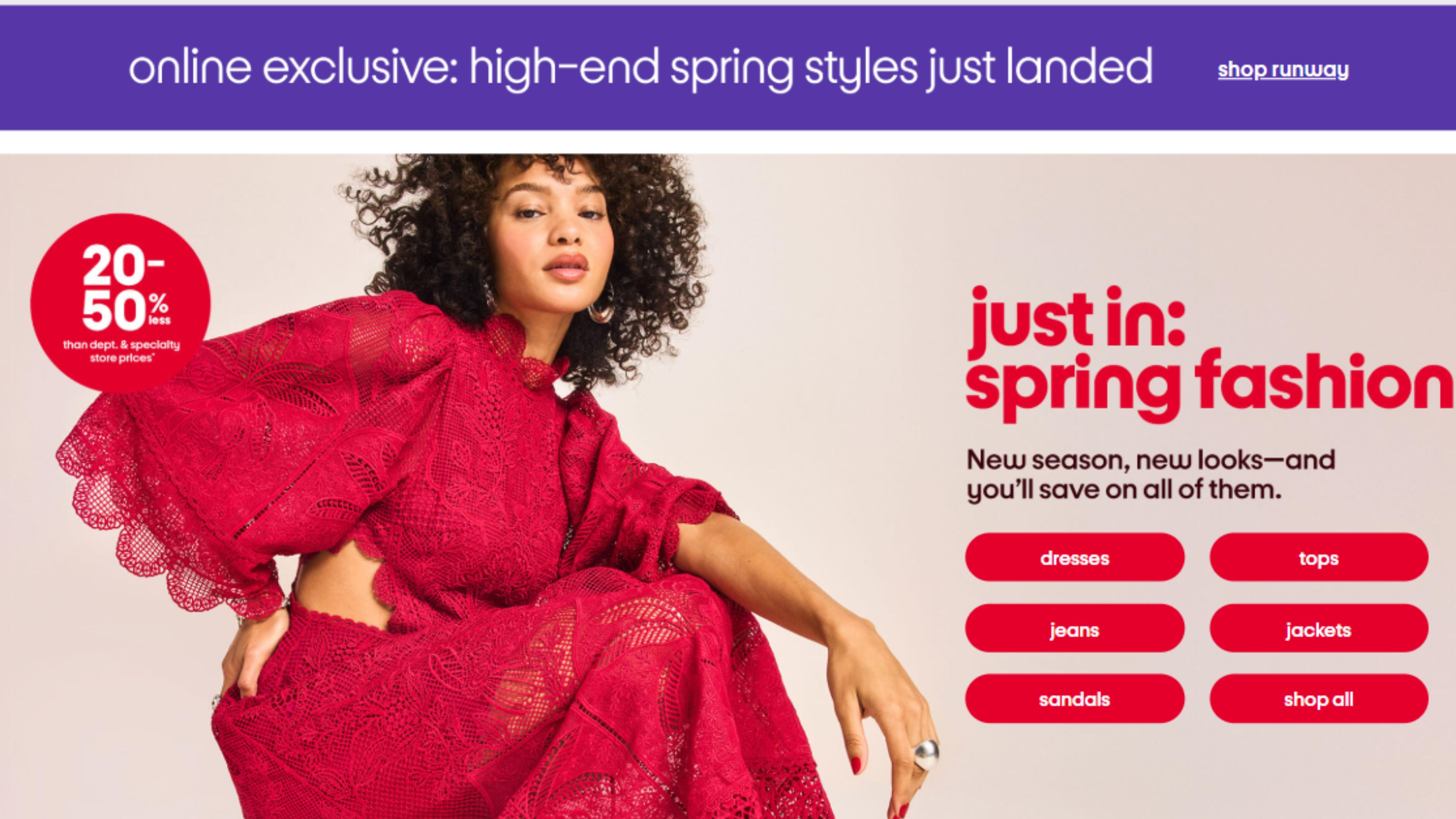
TJ Maxx is the gold standard of off-price retail in America, and for millions of loyal shoppers, it's simply the first stop on any bargain-hunting mission. Operated by TJX Companies, TJ Maxx built its entire identity around offering a constantly rotating mix of brand-name and designer clothing, accessories, shoes, and home goods at prices that are typically 20% to 60% below what you'd pay at a full-price department store. The excitement of not knowing exactly what you'll find is a huge part of the appeal — and a big reason why TJ Maxx shoppers tend to visit more often than they probably plan to.
What truly sets TJ Maxx apart from most competitors is its dedicated "Runway" section, a curated corner of the store reserved for genuinely high-end designer pieces — think pieces from brands like Burberry, Versace, or Diane von Furstenberg at dramatically reduced prices. This section alone elevates TJ Maxx above most discount competitors, giving serious fashion lovers a real shot at owning luxury pieces without the luxury price tag. The store also carries beauty products, luggage, pet supplies, and kitchen goods, making it a surprisingly versatile lifestyle destination.
TJ Maxx also offers a solid online shopping platform at tjmaxx.com, which is a meaningful advantage over several competitors that are in-store only. Prices range from around $6 for basic tees all the way up to $300 or more for designer outerwear and handbags — but the key is that you're almost always paying a significant markdown from retail. New inventory arrives multiple times per week, rewarding frequent visitors with fresh finds.
Pros:
Dedicated Runway section for genuine high-end designer pieces
One of the broadest merchandise mixes of any off-price retailer
Online shopping available at tjmaxx.com
New inventory arrives frequently throughout the week
Carries clothing, accessories, beauty, home goods, and more
Cons:
Stores can feel cluttered and difficult to navigate
Online inventory doesn't always match what's available in-store
High-demand designer items disappear quickly
Sizing and availability are unpredictable
Quality can vary significantly between items
2. Marshalls — Best for Treasure-Hunt Shopping With Great Accessories
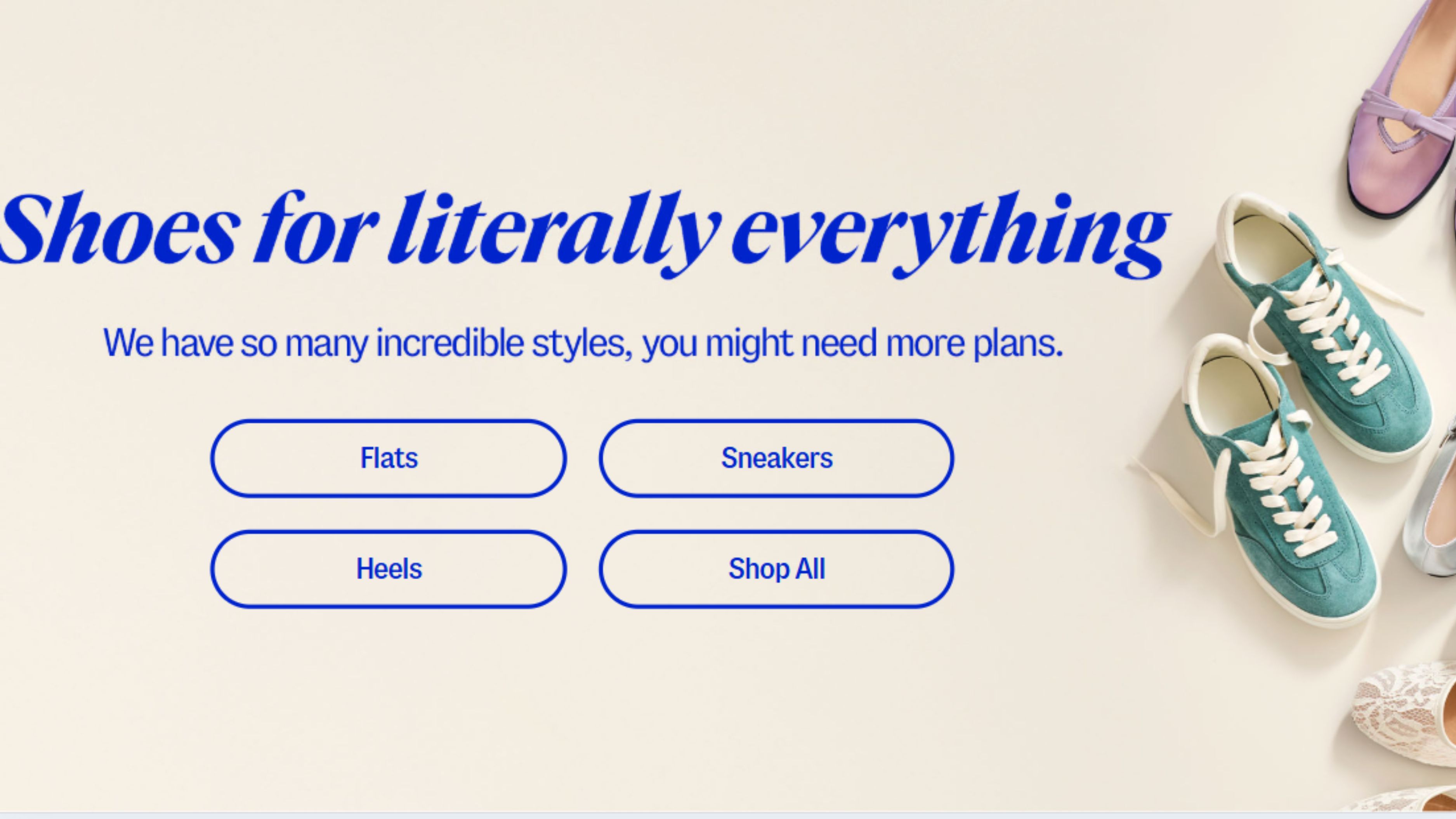
Marshalls is TJ Maxx's closest sibling — literally, since both are owned by the same parent company, TJX Companies — but the two stores have distinct personalities that keep loyal fans devoted to each one separately. Marshalls tends to lean a bit more toward fashion and accessories, with particularly impressive sections dedicated to shoes, handbags, jewelry, and scarves. If building out a complete look from head to toe at discount prices is your goal, Marshalls is often the better call.
The treasure-hunt shopping experience at Marshalls is arguably even more intense than at TJ Maxx. Inventory rotates rapidly and unpredictably, which means every visit has the potential to surface something genuinely surprising — a Polo Ralph Lauren shirt for $19, a Kate Spade bag for $60, or a pair of designer boots for a fraction of their boutique price. Marshalls also carries a strong selection of men's clothing, which can sometimes feel underserved at other off-price retailers, making it a go-to for male shoppers looking for real deals on quality brands.
One notable difference from TJ Maxx is that Marshalls does not currently offer online clothing shopping in the same robust way, making it an in-store-first experience. Prices mirror TJ Maxx closely, with everyday items starting around $7 and going up to $150 or more for designer outerwear and premium accessories. The lack of an online storefront is a limitation, but for shoppers who love the in-person hunt, it's part of the charm.
Pros:
Outstanding accessories section — shoes, bags, and jewelry especially
Strong men's clothing selection relative to competitors
Rapid inventory turnover means constant new discoveries
Deep discounts on recognizable brand-name fashion
Great for completing full outfits at discount prices
Cons:
No meaningful online clothing shopping option
Store layouts can feel disorganized and overwhelming
Inconsistent availability of specific brands or sizes
Busy stores can make for a stressful shopping experience
Some items are priced higher than expected for the condition
3. Ross Dress for Less — Best for Rock-Bottom Prices on Everyday Essentials

Ross Dress for Less plays a slightly different game than TJ Maxx or Marshalls. Where those stores chase a broad mix of designer finds and brand-name merchandise, Ross doubles down on one core promise: the absolute lowest prices possible on clothing and everyday essentials. If your budget is genuinely tight and you need to clothe yourself or your family without spending much, Ross is the most dependable option in off-price retail.
The store carries a solid range of casual clothing, activewear, workwear, shoes, and accessories from recognizable mid-tier brands like Levi's, Champion, Columbia, and Skechers. You won't always find the luxury designer pieces that show up at TJ Maxx's Runway section, but you will reliably find serviceable, brand-name clothing at prices that are hard to argue with. Ross is especially strong in its kids' and baby clothing sections, making it a favorite among parents trying to keep up with fast-growing wardrobes without overspending.
Prices at Ross are consistently among the lowest in the category — basic clothing items often start at $4 to $6, and even outerwear and footwear typically stay well under $60. The trade-off is a no-frills store environment that prioritizes value over aesthetics, and there's no online shopping option. But for shoppers focused purely on price, Ross delivers in a way few competitors can match.
Pros:
Consistently the lowest prices in the off-price retail space
Reliable selection of mid-tier national brands
Excellent kids' and baby clothing sections
Widely available across the country
Great for stocking up on basics and everyday staples
Cons:
No online shopping available
Store environment can feel cluttered and hard to navigate
Designer brand selection is limited compared to TJ Maxx
Merchandise quality and condition varies
Fitting rooms and checkout lines can get very backed up
4. Burlington — Best for Outerwear and Family Clothing Deals
Burlington — formerly known as Burlington Coat Factory — earned its reputation by doing one thing exceptionally well: selling coats at prices no one else could touch. That heritage lives on today, and if you need a winter coat, a rain jacket, a ski parka, or any kind of outerwear, Burlington is genuinely the first place you should look. The selection is enormous, the prices are competitive, and the quality of what's available at the price points is difficult to replicate anywhere else.
But Burlington has grown significantly beyond its coat-factory roots. Today it operates as a full off-price family department store, with strong sections covering women's, men's, and kids' clothing, shoes, accessories, and home goods. The family-focus is one of Burlington's greatest strengths — parents shopping for multiple kids at once will appreciate the sheer volume of options across age groups and sizes, all at prices that make outfitting an entire family feel manageable.
Everyday clothing at Burlington typically runs from $10 to $50, while outerwear — Burlington's signature strength — ranges from around $40 for basic styles up to $150 for premium-brand coats that would cost significantly more at department stores. Burlington also runs regular promotional sales that stack on top of already-reduced prices, making peak shopping seasons like fall and winter especially rewarding for coat hunters.
Pros:
Unmatched selection and pricing on coats and outerwear
Excellent family and kids' clothing departments
Large store formats carry substantial inventory
Frequent promotional sales add additional savings
Reliable option for seasonal clothing needs
Cons:
Store layout can feel less curated than TJ Maxx or Nordstrom Rack
Designer brand availability is more limited
Online shopping experience is less developed than competitors
Outerwear stock gets heavily picked over in fall and winter
Inconsistent store organization across different locations
5. HomeGoods — Best for Home Décor and Lifestyle Products at a Discount
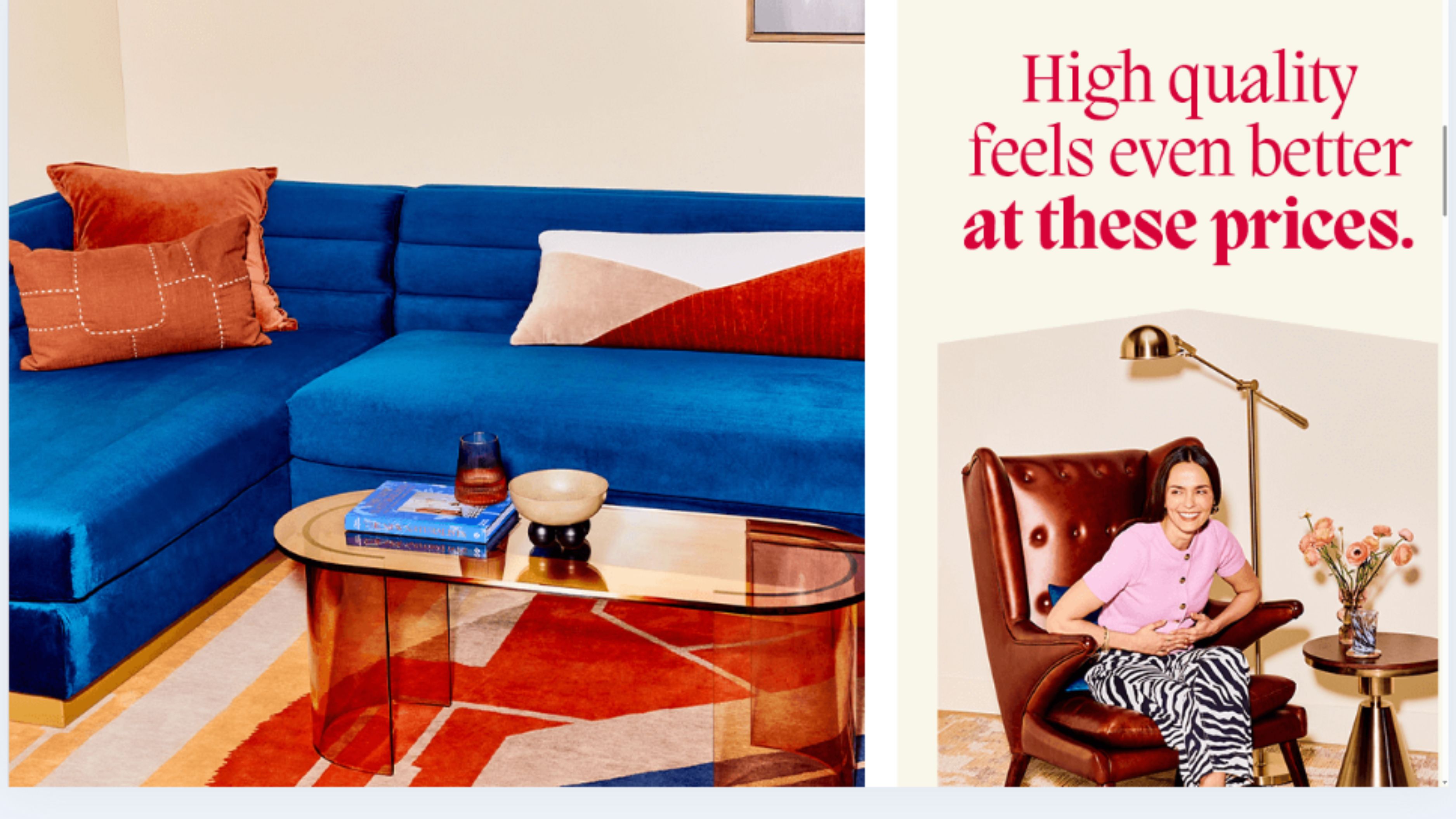
HomeGoods occupies a unique position on this list because it's not primarily a clothing store — it's TJ Maxx's home-focused sibling, also operated by TJX Companies, and it is absolutely worth knowing about for any smart shopper. If you've ever tried to furnish or decorate your home without paying full retail prices, HomeGoods is the answer you've been looking for. The store offers an extraordinary mix of home décor, furniture, kitchenware, bedding, bath accessories, seasonal décor, and even gourmet food items at prices well below what you'd pay at a traditional home retailer.
What makes HomeGoods so special is the same treasure-hunt energy that makes TJ Maxx and Marshalls so addictive. Inventory rotates constantly and unpredictably, meaning every visit has the potential to surface something genuinely unexpected — a handcrafted ceramic bowl for $14, a designer-quality throw blanket for $22, or a set of all-clad style cookware for a fraction of department store pricing. The stores are large, well-lit, and generally more organized than clothing-focused off-price retailers, making the experience feel less overwhelming.
Pricing at HomeGoods is consistently impressive, with most décor items falling between $10 and $100 and larger furniture or statement pieces occasionally reaching up to $300 to $400 — still far below comparable retail prices. For shoppers who love TJ Maxx and want to extend that same smart-shopping philosophy to their home, HomeGoods is an essential destination.
Pros:
Extraordinary variety in home décor, kitchen, and lifestyle goods
Same treasure-hunt appeal as TJ Maxx but for the home
Generally well-organized and pleasant shopping environment
Prices are consistently well below traditional home retailers
New inventory arrives frequently for repeat discovery
Cons:
Not a clothing store — different category entirely from TJ Maxx
No online shopping for the full HomeGoods assortment
Large furniture and statement pieces sell out fast
Store size can make shopping time-consuming
Seasonal and holiday items get picked over extremely quickly
6. Nordstrom Rack — Best for Premium Brand Clothing and Elevated Shopping Experience
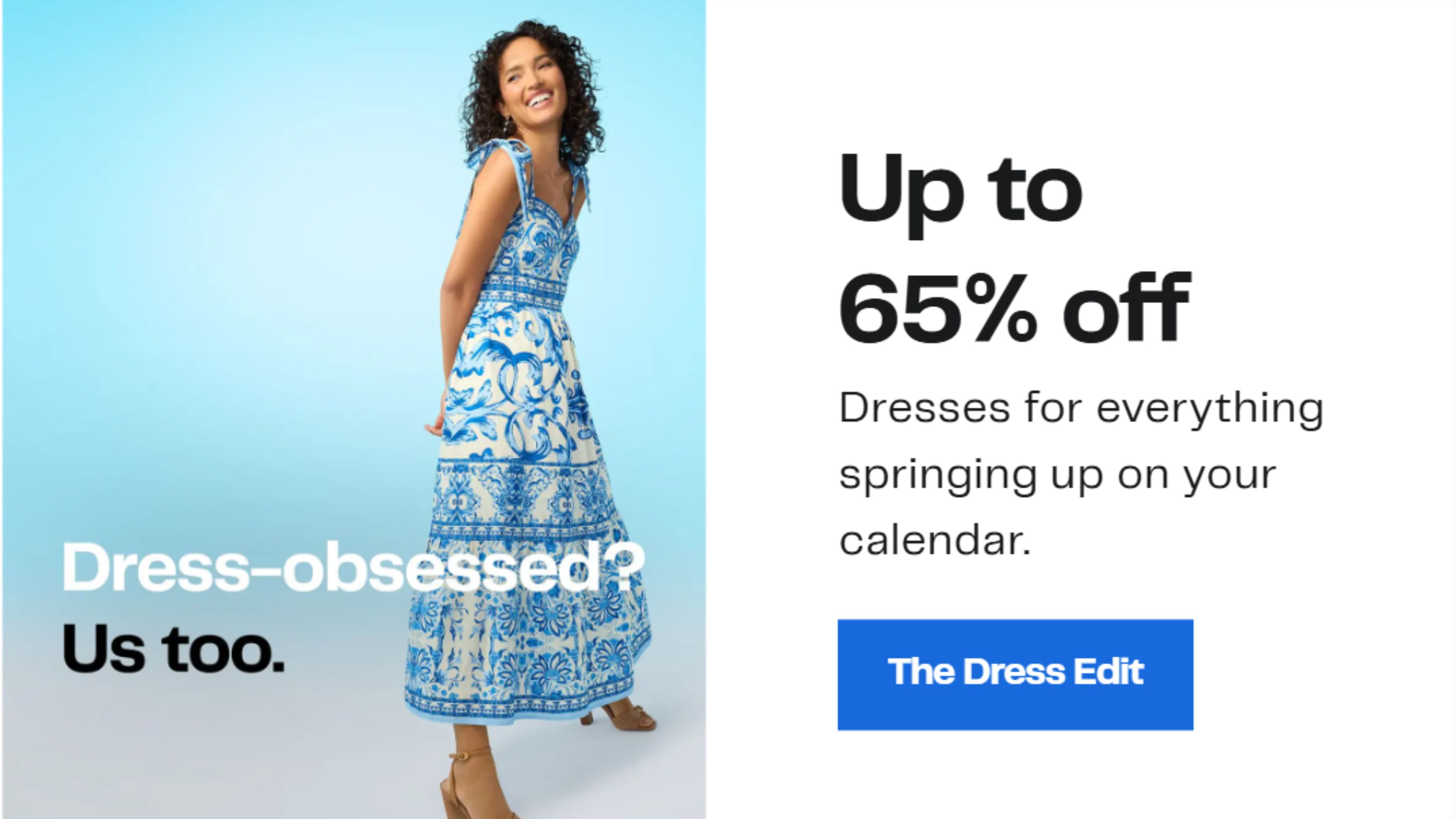
Nordstrom Rack is where the off-price retail model meets a genuinely elevated shopping experience. As the outlet division of Nordstrom — one of America's most respected luxury department stores — Nordstrom Rack carries a curated selection of premium and high-end brands at 30% to 70% off their original retail prices. You'll find names like Nike, Zella, Ted Baker, Vince, and even the occasional Burberry or Theory piece, all in a clean, well-organized store environment that feels far more refined than the average discount retailer.
What separates Nordstrom Rack from TJ Maxx isn't just the brand tier — it's the entire experience. The stores are thoughtfully laid out, the staff is trained to actually assist shoppers, and the overall atmosphere is closer to a traditional department store than a chaotic bargain bin. Nordstrom Rack also runs an excellent online platform that features regular "Clear the Rack" flash sales, where already-discounted items receive an additional percentage off — creating some genuinely remarkable deals for shoppers who time their visits right.
Prices at Nordstrom Rack are generally a step above TJ Maxx, reflecting the higher brand tier on offer. You'll commonly find items ranging from $20 for basics up to $300 or more for premium outerwear and designer accessories. Nordstrom's Nordy Club loyalty program extends to Rack purchases, allowing regular shoppers to earn points and access additional benefits over time.
Pros:
Genuinely premium and luxury brand selection
Clean, well-organized, and pleasant store environment
Robust online platform with frequent flash sale events
Loyalty rewards program earns points on every purchase
Strong return and exchange policy relative to competitors
Cons:
Higher price floor compared to TJ Maxx, Ross, or Marshalls
Flash sale items sell out very quickly online
Some items are priced closer to full retail than expected
Inventory of specific sought-after brands can be limited by location
Less of the spontaneous surprise factor that defines TJ Maxx shopping
7. Saks Off 5th — Best for Genuine Luxury Fashion at Reduced Prices
For shoppers who love the idea of TJ Maxx's Runway section but want to go even deeper into the luxury tier, Saks Off 5th is the natural next step. As the outlet arm of the iconic Saks Fifth Avenue luxury department store, Saks Off 5th offers access to some of the world's most prestigious fashion houses — including Prada, Gucci, Versace, Valentino, and Alexander McQueen — at prices that have been meaningfully reduced from their original eye-watering retail tags.
The in-store experience at Saks Off 5th feels nothing like a typical off-price retailer. The stores are elegantly designed, merchandise is carefully presented on well-spaced racks, and the staff brings a level of service awareness that's rare in discount retail. The online platform is equally polished, regularly featuring additional percentage-off events that can bring genuinely luxury items into ranges that feel almost accessible. For anyone who has always wanted to own an authentic piece from a top fashion house but couldn't justify the flagship price, Saks Off 5th is the most realistic and enjoyable way to get there.
Prices reflect the luxury positioning — you might pay $120 to $200 for a designer top that retailed at $500, or $400 to $700 for a handbag originally priced at $1,500 or more. The savings are real and significant, but the entry price is still considerably higher than TJ Maxx. For special occasion purchases or investment-quality wardrobe pieces, however, the value proposition is compelling and the experience is genuinely special.
Pros:
Access to genuine top-tier luxury fashion brands
Elegant, well-curated store environment and presentation
Significant markdowns from original luxury retail pricing
Frequent online sale events with additional percentage-off promotions
Ideal for investment pieces and special occasion shopping
Cons:
Significantly higher price floor than TJ Maxx or most competitors
Not suitable for everyday or tight-budget shopping
Inventory of specific luxury pieces can be limited
Fewer physical store locations than mainstream off-price retailers
Some merchandise may be from prior seasons or collections
8. Sierra — Best for Outdoor, Athletic, and Adventure Brand Deals
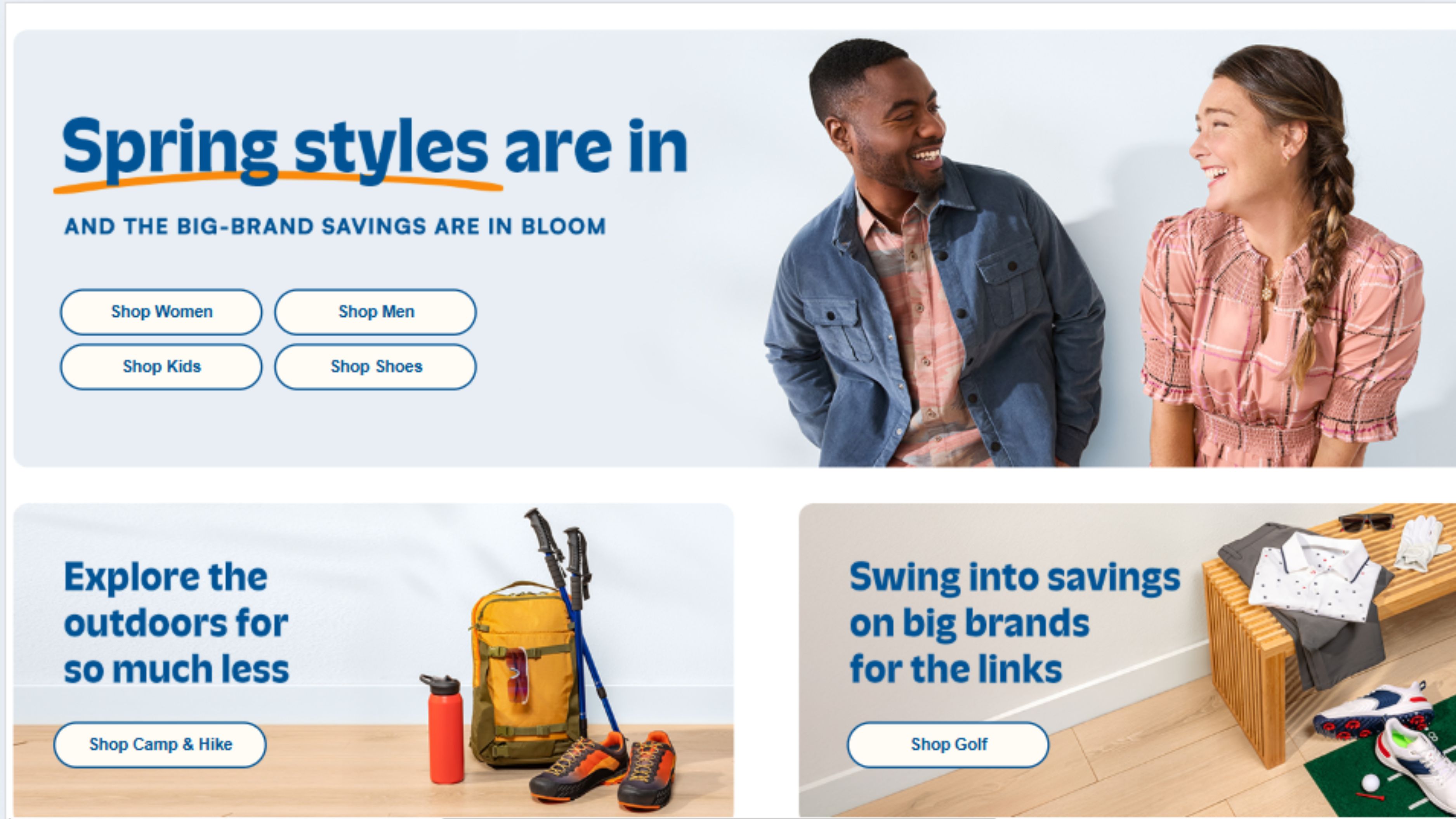
Sierra is a name that not enough shoppers know about — and that's a shame, because for anyone who loves outdoor activities, athletic pursuits, or adventure gear, it might be the best-kept secret in off-price retail. Also operated by TJX Companies (making it a direct sibling of TJ Maxx), Sierra specializes in off-price outdoor, athletic, and lifestyle merchandise from brands that outdoor and fitness enthusiasts genuinely trust — including The North Face, Patagonia, Columbia, Merrell, Osprey, and dozens more.
The store format mirrors the TJ Maxx experience but applied entirely to the outdoor and athletic lifestyle category. Inventory includes hiking boots, trail running shoes, ski and snowboard gear, camping equipment, athletic clothing, water bottles, and outdoor accessories — all at significant markdowns from what you'd pay at REI, Dick's Sporting Goods, or a brand's own retail store. Sierra also operates a robust website at sierra.com, making it accessible to shoppers who don't live near a physical location.
Pricing at Sierra reflects the quality of the brands on offer — expect to pay $30 to $100 for outdoor clothing, $50 to $150 for footwear, and anywhere from $20 to $200 for gear and accessories. These prices are meaningful discounts from full retail, and for shoppers who would otherwise pay premium prices at an outdoor specialty retailer, Sierra can represent savings of 30% to 60% on the exact same brands.
Pros:
Specialized focus on trusted outdoor and athletic brands
Carries brands like The North Face, Patagonia, and Columbia at reduced prices
Online shopping available at sierra.com
TJX-backed reliability with consistent store experience
Great for outdoor enthusiasts who want quality gear without full retail prices
Cons:
Very category-specific — not ideal for general fashion shopping
Fewer physical locations than TJ Maxx or Marshalls
Inventory of specific technical gear can be limited
Best selection skews toward casual outdoor lifestyle rather than hardcore technical gear
Online inventory can differ significantly from what's in stores
9. Ollie's Bargain Outlet — Best for Extreme Closeout Deals on Mixed Merchandise
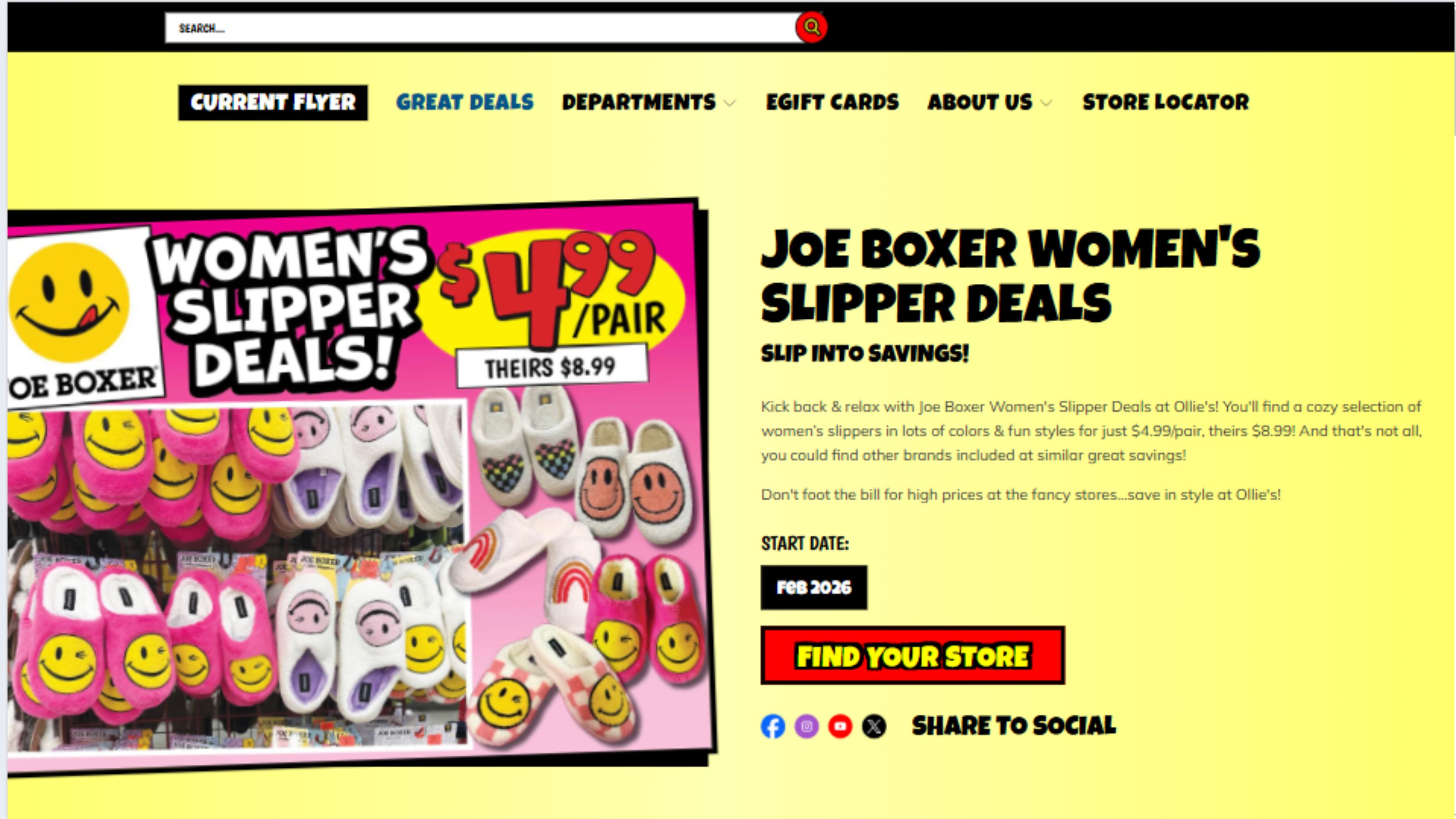
Ollie's Bargain Outlet is a different beast entirely from polished off-price retailers like Nordstrom Rack or Saks Off 5th — and that's precisely the point. Ollie's is unapologetically chaotic, proudly budget-focused, and genuinely committed to offering some of the deepest closeout discounts you'll find anywhere in retail. The store acquires liquidated, surplus, and closeout merchandise from a wide range of sources and passes those extreme markdowns directly to shoppers — often at prices that feel almost too good to be true.
Clothing is one part of Ollie's broader merchandise mix, which also includes books, electronics, food, toys, sporting goods, and home items. The fashion selection isn't curated or brand-consistent in the way TJ Maxx or Nordstrom Rack is — you're more likely to find a mix of lesser-known and off-brand labels alongside occasional name-brand surprises. But if you're the kind of shopper who enjoys completely unpredictable discoveries and doesn't mind sifting through a very eclectic mix, Ollie's can surface some remarkable finds at prices that are hard to beat anywhere.
Clothing prices at Ollie's can go as low as $3 to $5 for basic items, with most pieces falling under $30. Ollie's also runs a loyalty program called Ollie's Army that offers members access to additional discounts and sale previews. Physical stores are concentrated primarily in the eastern United States, and there is no meaningful online shopping option, making it a regional but beloved budget shopping destination.
Pros:
Some of the deepest closeout discounts available in retail
Fun, unpredictable treasure-hunt experience
Ollie's Army loyalty program offers additional member savings
Extremely low price ceiling across all merchandise categories
Great for shoppers who enjoy variety and surprise
Cons:
Merchandise mix is inconsistent and heavily unpredictable
Brand-name clothing finds are less reliable than at TJ Maxx
Store environment is intentionally no-frills and can feel chaotic
No meaningful online shopping option
Stores are primarily located in the eastern US
10. Poshmark — Best for Secondhand Designer Finds in an Online Social Marketplace
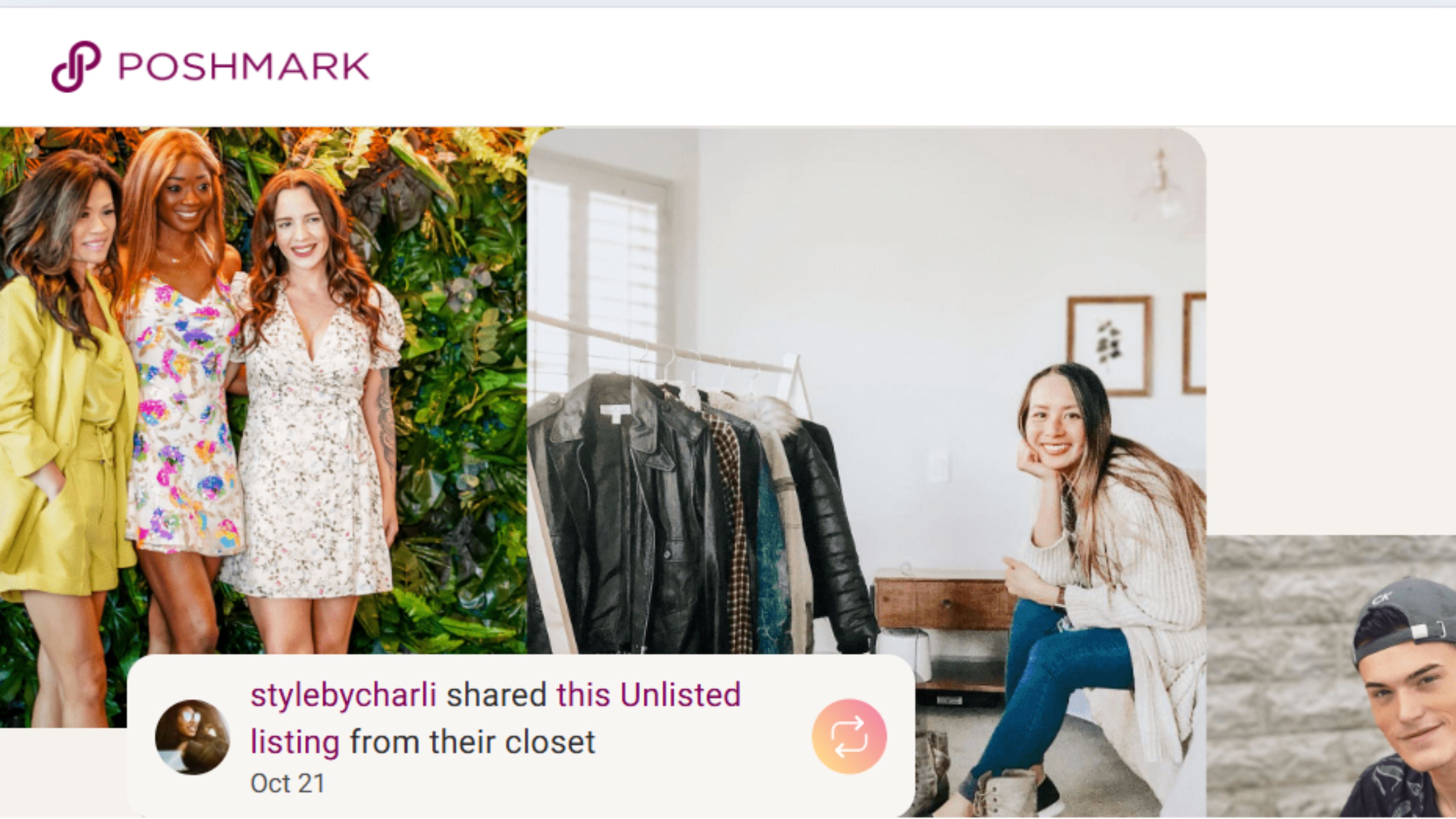
Poshmark takes the smart-shopper philosophy into a completely different direction — one that's entirely online, entirely community-driven, and increasingly popular among fashion lovers who want designer pieces at prices that would never appear in a traditional store. Poshmark is a peer-to-peer social marketplace where individual sellers list their gently used clothing, shoes, and accessories for other users to purchase. The platform hosts millions of active listings across every conceivable style, size, and brand — from everyday labels like Zara and Gap to luxury names like Louis Vuitton, Gucci, and Chanel.
What makes Poshmark stand out as a smart-shopping destination is the combination of its enormous inventory and its social features. Shoppers can follow sellers they trust, make offers below the listed price, join themed "Posh Parties" (virtual shopping events organized around specific brands or styles), and bundle multiple items from the same seller for additional savings. The platform also offers buyer protections, meaning your purchase is reviewed upon receipt before the seller gets paid — adding a layer of accountability that pure peer marketplaces often lack.
Pricing on Poshmark varies wildly depending on the item, brand, and seller. You might find a pre-owned designer top for $15 or a luxury handbag for $800 — but in both cases, you're paying a fraction of the original retail price. The platform charges a flat fee or percentage on each sale, which sellers factor into their pricing. For patient shoppers who are willing to search, make offers, and wait for the right deal, Poshmark can surface some of the best designer values available anywhere.
Pros:
Enormous selection of secondhand designer and brand-name clothing
Social features allow offer-making and bundling for extra savings
Buyer protection policy adds security to the purchase process
Accessible from anywhere via app or website
Sustainable alternative to buying new clothing
Cons:
No physical stores — entirely online
Quality and authenticity depend on individual sellers
Returns are not straightforward and vary by situation
Shipping times and costs vary by seller
Requires patience and active searching to find the best deals
Your Quick Guide to Off-Price and Discount Store Shopping
What Is Off-Price Retail?
Off-price retail refers to a model where stores sell brand-name, designer, or surplus merchandise at prices below the original manufacturer's suggested retail price. These retailers source their inventory through multiple channels — including department store overstock, end-of-season excess, manufacturer surplus, and goods produced specifically for the off-price market — and sell it to consumers at significant markdowns. Unlike traditional retail, which maintains a consistent inventory and price structure, off-price stores receive irregular shipments that change frequently, creating the unpredictable treasure-hunt experience that defines the shopping model. Secondhand and peer-to-peer platforms like Poshmark work differently, connecting individual sellers of pre-owned goods with buyers, but the result is the same: quality merchandise at meaningfully reduced prices.
Benefits of Shopping at Stores Like TJ Maxx
The financial benefits are the most obvious. Savings of 30% to 70% off retail prices are common across off-price retailers, and on designer or luxury merchandise those percentages can represent hundreds of dollars on a single item. But beyond the price advantage, off-price shopping encourages a more intentional approach to building a wardrobe — you're evaluating pieces based on genuine value and quality rather than responding to marketing pressure or seasonal retail campaigns. The constantly rotating inventory also means you're more likely to develop a unique, eclectic personal style rather than wearing the same pieces as everyone else who shopped the same brand at full price. And for environmentally conscious shoppers, secondhand platforms like Poshmark and ThredUp extend clothing's usable life and reduce waste.
What to Look for When Choosing a Store Like TJ Maxx
Your brand priorities: Are you hunting for luxury designer pieces, trusted mid-tier brands, or simply reliable everyday basics? Stores like Saks Off 5th and Nordstrom Rack skew toward premium labels, while Ross and Ollie's focus on value regardless of brand tier.
Your budget range: Off-price doesn't mean the same price across all stores. Ross and Ollie's are built for the tightest budgets, while Nordstrom Rack and Saks Off 5th still require meaningful spending even at discounted prices.
In-store vs. online shopping: If convenience is important, prioritize stores with strong online platforms like TJ Maxx, Nordstrom Rack, or Poshmark. If you love the in-person hunt, Marshalls, Ross, and Burlington are best experienced in the store.
Specialty vs. general merchandise: Consider whether you want a general mix or a specialized focus. Sierra is ideal for outdoor and athletic gear, HomeGoods for home décor, and Poshmark for secondhand fashion — each serves a specific shopping need better than a generalist store would.
Return policies: These vary significantly across discount retailers. Nordstrom Rack has one of the more generous policies in the space, while peer-to-peer platforms like Poshmark have more limited return options. Always check before you buy higher-priced items.
Frequently Asked Questions
Q: Are stores like TJ Maxx and Marshalls really selling authentic designer merchandise?
Yes — off-price retailers like TJ Maxx, Marshalls, and Nordstrom Rack sell genuine, authentic brand-name merchandise. These stores acquire goods directly from brands, manufacturers, and authorized wholesale suppliers, not from counterfeit sources. It's always good practice to check labels and construction quality on any item you're considering, but you can shop with confidence that the brand-name items are the real thing.
Q: Why do TJ Maxx and similar stores have such different inventory every time you visit?
Off-price retailers receive irregular shipments of merchandise from multiple sources throughout the week — often several times per week — rather than following the structured seasonal buying cycles of traditional department stores. This is what creates the constantly changing, unpredictable inventory that makes these stores so exciting to visit regularly. When something sells out at an off-price store, it typically doesn't get restocked, which is why frequent visits are rewarded with better finds.
Q: Is shopping at secondhand platforms like Poshmark as reliable as shopping at a store like TJ Maxx?
Poshmark and similar peer-to-peer platforms carry more inherent variability than a traditional retailer since you're buying from individual sellers rather than a company with standardized quality control. That said, Poshmark does offer buyer protections — your purchase is reviewed upon arrival before the seller receives payment. For the best experience on secondhand platforms, read seller reviews carefully, look at the photos closely, and don't hesitate to ask sellers questions about an item's condition before purchasing.
Q: What's the best time to shop at off-price stores for the biggest deals?
Most off-price retailers receive new inventory several times per week, so visiting on delivery days — often early in the week — gives you the best shot at fresh finds before other shoppers pick through them. Seasonal transitions (end of summer, end of winter) also tend to surface particularly deep markdowns as stores clear out prior-season inventory. For online platforms like Nordstrom Rack, signing up for email alerts about "Clear the Rack" and similar flash sale events is the most reliable way to catch the deepest discounts before they sell out.